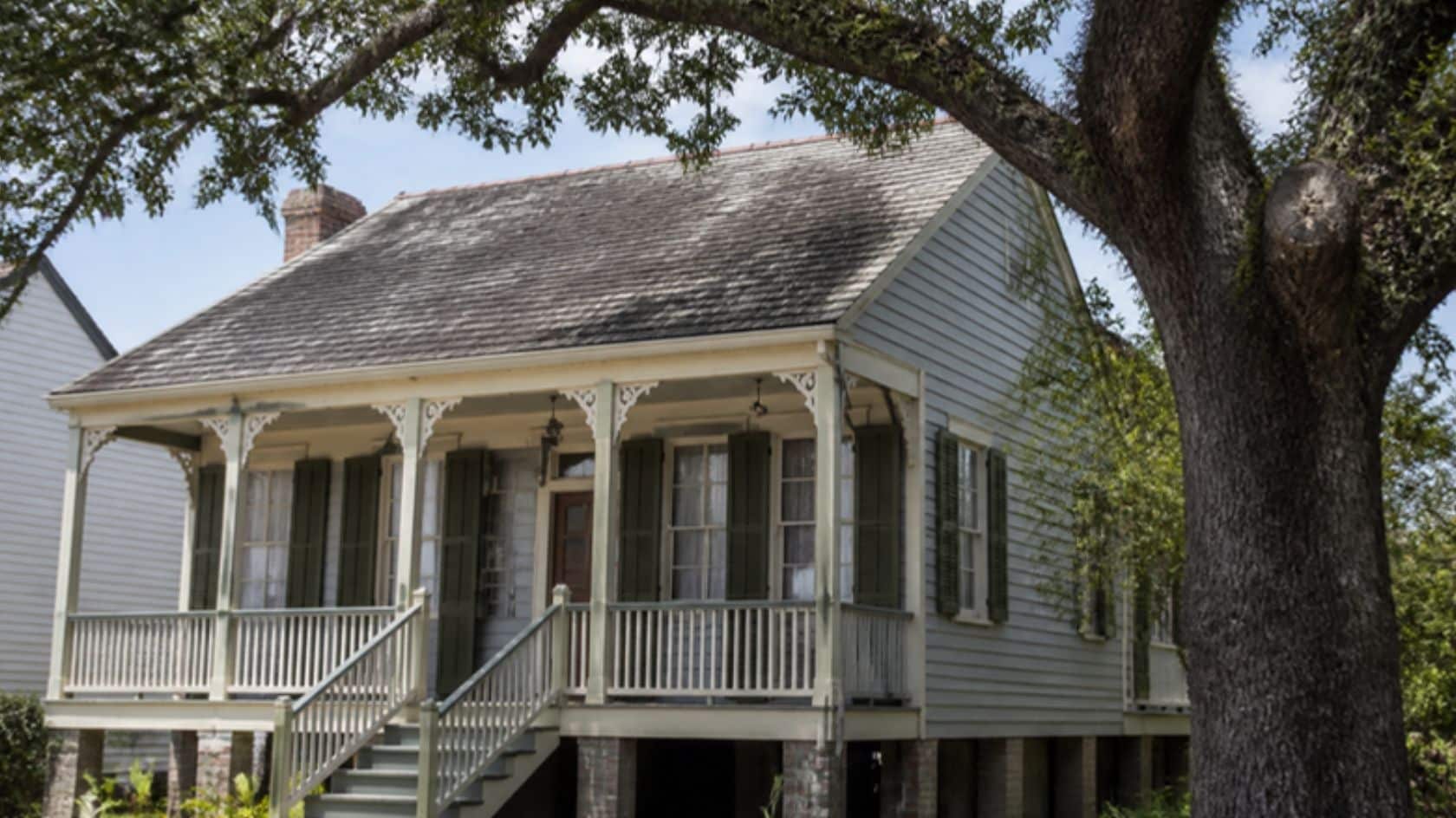
Most roofs in New Orleans last somewhere between 15 and 30 years for asphalt shingles, 40 years or more for metal, and well past 50 years for tile or slate that gets regular care. The material sets the range, and the local climate decides where in that range your roof lands.
Heat, humidity, heavy rain and hurricane season all work on a roof here, so a New Orleans roof often reaches the end of its life sooner than the same roof in a milder place. Steady maintenance is what pushes it toward the long end.
Whether you just bought a house or you’re staring at a ceiling stain, the age of your roof is the first number worth knowing. It tells you how much life you can reasonably expect and when to start planning for a new roof.
At TurnKey Roofing Contractor, we judge roof lifespan by looking at the roof itself, not just the calendar.
If you want a clear answer about your roof, contact our New Orleans office for a free estimate.
You can also call (504) 608-3921 during office hours.
Key Takeaways
- InterNACHI lists 20 years for 3-tab asphalt shingles, 30 for architectural shingles, 40 to 80 for metal and 60 to 150 for slate.
- InterNACHI also notes that hot climates drastically reduce asphalt shingle life, which matters in New Orleans.
- Storms can shorten a roof’s life overall or leave isolated damage that needs repair to protect the rest of the roof.
- Granules in the gutters, curling shingles and soft spots underfoot are common signs a roof is near the end.
- Yearly maintenance and a check after major storms help a roof reach the long end of its range.
How Long Each Type of Roof Lasts
Roof lifespan depends first on the material. Asphalt shingles sit at the short end, metal lasts several decades, and slate, clay and concrete tile can outlast the people who install them. The figures below are typical spans from InterNACHI, the home inspectors’ association, set beside the ranges we give New Orleans homeowners.
| Roofing material | InterNACHI typical lifespan | Our New Orleans range |
|---|---|---|
| Asphalt shingles, 3-tab | 20 years | 15 to 30 years for asphalt shingles |
| Asphalt shingles, architectural | 30 years | 15 to 30 years for asphalt shingles |
| Metal | 40 to 80 years | 40 to 70 years |
| Clay or concrete tile | 100 years or more | More than 50 years with maintenance |
| Slate | 60 to 150 years | Depends on the slate and its upkeep |
The two sources differ a little at the edges. InterNACHI’s chart is a national reference, while our ranges reflect what roofs face in the heat and storms here. Both point the same way: the material you choose decides most of how long the roof will last.
Flat and low-slope roofs over porches, additions and commercial buildings follow a different timeline. InterNACHI gives 30 years for built-up roofing, 20 for modified bitumen, 15 to 25 for EPDM rubber and 7 to 20 for TPO membranes.
These numbers describe a roof that was installed well and looked after. A roof with poor ventilation, clogged gutters or a skipped repair can fall short of them, and our guide to roofing types explains how each material behaves.
Why New Orleans Weather Shortens a Roof’s Life
New Orleans weather shortens roof life because the stress never really lets up. Long summers bake shingles and dry out the oils that keep them flexible, damp air feeds algae and moss, downpours test every seam, and storms break the seal on shingle tabs. InterNACHI puts it plainly: hot climates drastically reduce asphalt shingle life.
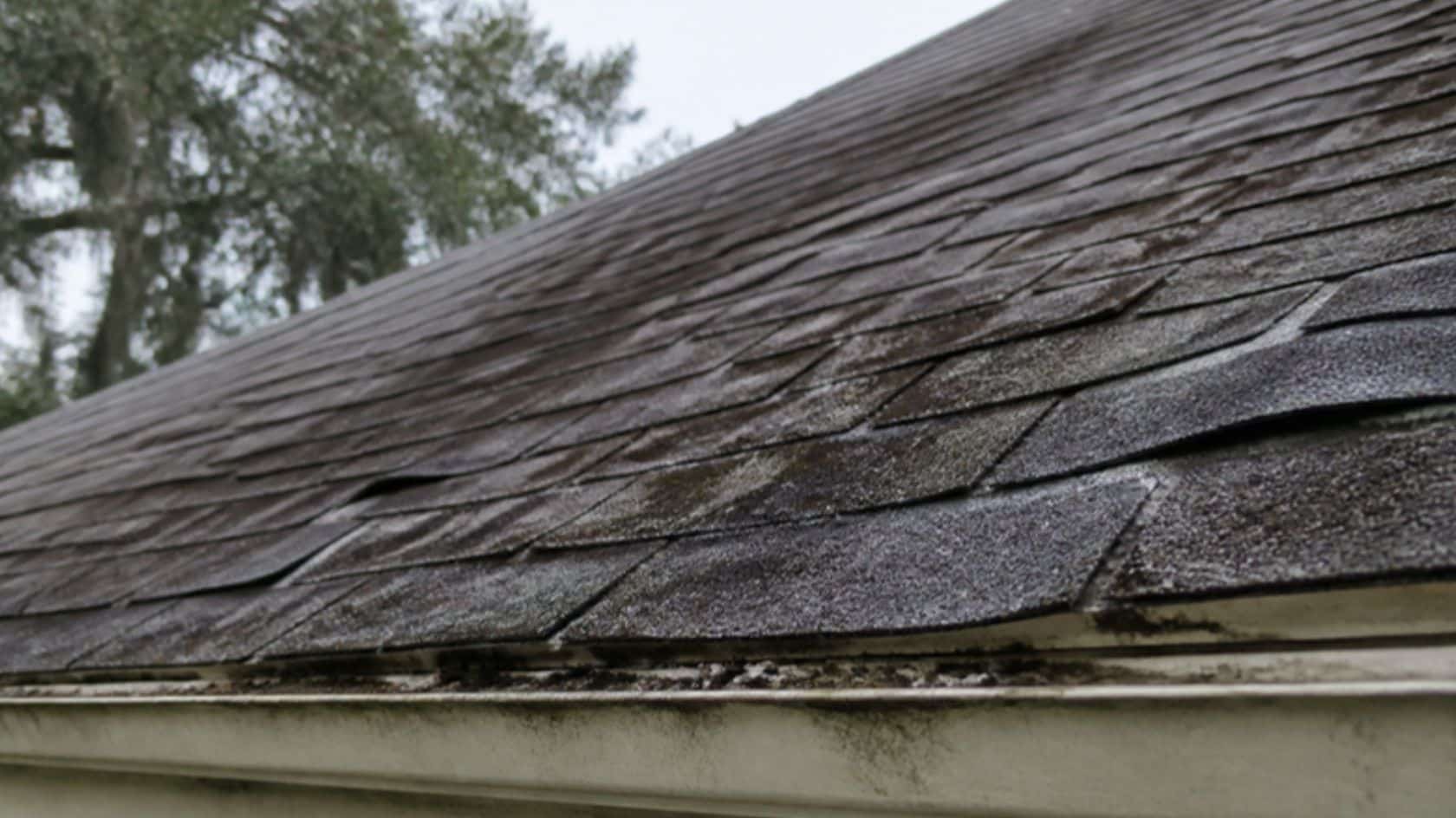
Each kind of weather leaves a different mark on the roof:
- Heat and sun: asphalt shingles bake and turn brittle, and rubber pipe boots and caulked joints crack.
- Humidity: algae and moss take hold on shaded slopes, and moss holds water against the shingles and lifts their edges.
- Heavy rain: leaves and debris slow water in the valleys, and slow water works its way under shingle edges.
- Wind and tropical storms: strong gusts loosen shingles, flashing and vent caps.
Storm season is long here. The National Hurricane Center notes that the Atlantic hurricane season runs from June 1 to November 30, which gives wind and rain six months each year to find weak spots.
InterNACHI adds that roofs in areas with hurricanes or hail may have a shorter lifespan overall, or may take isolated damage that has to be repaired to protect the surrounding roofing. Our post on how hurricane season affects roofs in New Orleans explains what a storm does to each part of the roof.
Does a 30-Year Shingle Really Last 30 Years in New Orleans?
Often it does not. Thirty years is a typical figure for architectural shingles on InterNACHI’s chart, but the same source says a roof’s life depends on local weather, building design, material quality and maintenance. In a hot, stormy climate like ours, plan around the shorter end of the range and let an inspection tell you the rest.
That’s why we quote asphalt shingles at 15 to 30 years instead of a single number. A shingle roof on a shaded, well-ventilated house with clean gutters can run long. The same shingles on a hot attic with blocked vents and an overhanging tree can wear out years earlier.
Architectural shingles generally outlast 3-tab shingles. Their laminated, heavier build holds up better in high wind than flat 3-tab shingles, which is one reason many homeowners here choose them when they replace a roof.
If you’re unsure which kind you have, look at the edges from the ground. Flat, uniform tabs usually mean 3-tab shingles, while a layered, dimensional look usually means architectural shingles.
Signs Your Roof Is Near the End of Its Lifespan
A roof near the end of its lifespan usually shows it in several places at once. Shingles curl, crack or lose granules across more than one slope, bald patches appear where the dark mat shows through, and leaks turn up in different rooms. One sign may only need a repair, but several together point to a roof wearing out.
Watch for these from the yard and from the attic:
- A steady amount of shingle granules collecting in gutters or at the end of downspouts
- Shingles curling, cracking or losing granules on several slopes
- Bald patches where the dark mat shows through the shingles
- Soft spots underfoot, or a roofline that dips between rafters
- Daylight through the roof boards or widespread damp insulation in the attic
- Leaks that keep returning, or new leaks in different rooms
A few loose granules are normal on a new roof. A steady amount on an older roof points to worn shingles, so it’s worth having the roof checked before the next storm season.
Stay off the roof to look for these signs. A worn or wet roof is slippery and may not hold your weight, and most of the clues are visible from the ground or the attic. Our guide to the key indicators you need a roof replacement covers each sign in more detail.
How Maintenance Helps a Roof Last Longer
Maintenance helps a roof last longer by catching small problems before water reaches the decking. A cracked pipe boot or a gutter full of leaves takes little time to fix, but left through a summer of downpours it can soak the decking and stain the ceiling. Steady care helps a roof reach the long end of its range.
Once a year is a good baseline for a home in New Orleans, plus a check after a hurricane, tropical storm or hailstorm. Older roofs and roofs shaded by trees benefit from closer attention.
A sensible schedule follows the weather:
- Late spring: a professional visit before hurricane season to secure loose shingles, reseal flashing and clear valleys and gutters.
- After a storm: look for missing shingles from the ground, then check the attic for drips.
- Fall: clean gutters and downspouts after the leaves drop, and trim branches touching the roof.
Some of this you can handle yourself, like keeping gutters clear and checking the attic for stains. Work on the roof surface, such as resealing flashing, replacing shingles or removing moss without stripping granules, belongs to a licensed roofer.
Our roof maintenance service in New Orleans checks the shingles, flashing, pipe boots, vents, gutters, soffit, fascia and attic, and you get a free estimate before any repair starts.
Material Choice When It’s Time for a New Roof
When a roof reaches the end of its life, the replacement is a chance to pick a longer-lasting material. Metal reflects heat and sheds heavy rain for 40 to 70 years, tile handles heat well for 50 years or more with maintenance, and asphalt shingles keep the upfront cost lowest. The right pick depends on your framing and budget.
Weight is the main limit. Tile and slate are heavy, so the framing has to support them, and slate is costly to install.
How long you plan to stay matters too. A homeowner selling in a few years may weigh upfront cost first, while someone staying for decades may value a roof they won’t have to replace again. Our comparison of asphalt shingles and metal roofs for New Orleans homes walks through that tradeoff.
Older houses raise other questions. Many historic homes here carry slate or tile that can last far longer than asphalt with the right repairs, and our post on roof problems in historic New Orleans homes explains what tends to go wrong on them.
Installation quality also shapes how long any roof lasts. A full tear-off lets the crew replace soft or rotted decking, and new flashing, underlayment and ridge vents give the new roof a sound base. Our roof replacement service in New Orleans includes the tear-off, decking repairs and permits, backed by our 24 Hour Roof Replacement Guarantee.
How to Find Out How Much Life Your Roof Has Left
The surest way to find out how much life your roof has left is an inspection by a licensed roofer. Age gives you a starting point, but the condition of the shingles, flashing, decking and attic tells you whether the roof is aging on schedule or ahead of it. That answer lets you plan instead of react.
If you don’t know the roof’s age, the paperwork from the home purchase or a past contractor’s invoice can narrow it down. A roofer can also judge wear from granule loss, brittleness and how the shingle edges lie.
These questions are worth asking during any inspection:
- What material is on the roof, and how far into its expected range is it?
- Is wear spread across the roof, or limited to one area?
- Is the decking solid, and is the attic dry and well ventilated?
- What maintenance would help the roof reach the long end of its range?
We’re a licensed local roofing company (Residential License # 890459) focused on New Orleans roofing, our office is open Monday to Friday from 8:00 AM to 6:00 PM, and we answer emergency calls around the clock. Estimates are free.
Frequently Asked Questions
How long does a roof last in New Orleans?
How long do shingles on a roof last?
Does a 30-year roof really last 30 years?
How often should a roof be replaced?
How can I make my roof last longer?
Written by: TurnKey Roofing Contractor
Last updated: November 11, 2026