25 Hour Roof Replacement Guarantee - Get Your FREE Estimates!
Residential License # 890459
Commercial License # 3667
Residential License # 890459
Commercial License # 3667

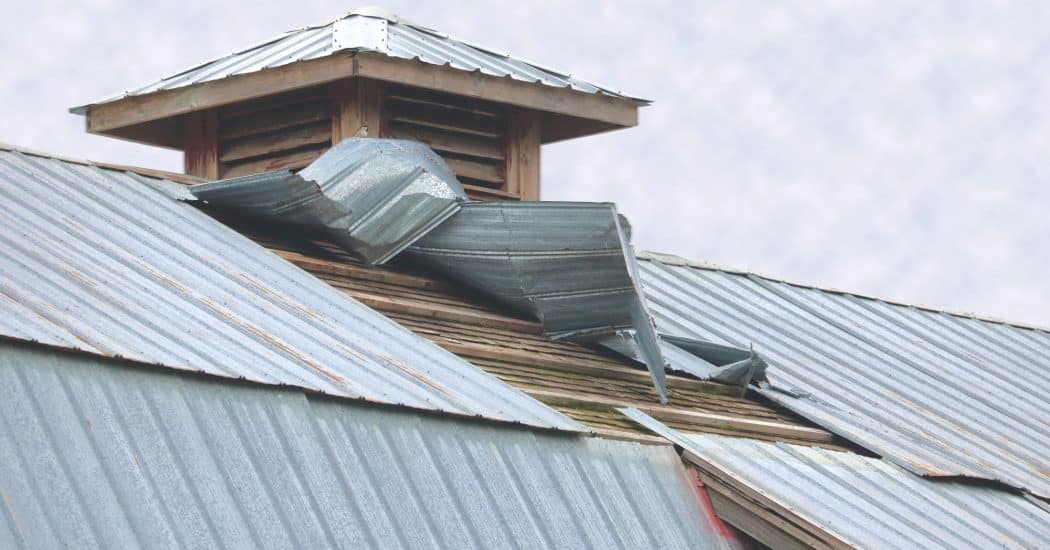
A storm rolls through New Orleans overnight, and by morning you’re staring at a ceiling stain, scattered shingles in your yard, or worse. That sinking feeling is real, but what you do in the next few hours matters enormously. Acting fast and smart can be the difference between a manageable repair and a full-blown structural nightmare.
After sudden roof damage, your first priority is protecting the interior from further water intrusion using temporary coverings, then documenting the damage thoroughly for your insurance claim. Contact a licensed roofing contractor as soon as possible for a professional inspection and safe assessment.
Don’t panic, but don’t wait either. The moments right after a storm or impact event are critical for limiting secondary damage.
Start inside the house. Check ceilings, attic spaces, and walls for any signs of water intrusion. If you see active dripping, place buckets and move valuables away immediately. Water spreads fast through insulation and drywall, and the damage compounds quickly.
Then do a visual survey from the ground outside. Look for missing or lifted shingles, debris sitting on the roof, sagging sections, or exposed decking. You’re gathering information here not climbing up. Never attempt to access a damaged roof yourself, especially after a storm when surfaces are wet, unstable, or structurally compromised.
Take photos and video from every angle you can safely reach. This documentation is your foundation for an insurance claim.
Temporary protection is about buying time until professional help arrives. Here’s how to approach it in order:
Truth is, the biggest mistake homeowners make after roof damage is rushing to “fix it themselves.” Temporary measures have their place, but improper repairs can void warranties, create new leak points, or signal to insurers that the damage was altered.
Not all roof damage is equal. Some situations demand urgent attention beyond a standard repair call.
Watch for these warning signs that suggest deeper structural issues:
 Sagging or bowing sections on the roof deck, visible from the ground
New Orleans’ climate makes these risks especially real. High humidity means moisture that gets in doesn’t evaporate quickly it lingers, breeds mold, and weakens structural components faster than you’d expect in a drier region. That’s why our team at TurnKey Roofing Contractor always emphasizes a thorough post-storm inspection, not just a surface-level look.
Here’s the deal: New Orleans roofs work harder than almost anywhere else in the country. The combination of hurricane-force winds, driving rain, intense summer heat, and year-round humidity puts every material – asphalt shingles, metal, tile, and flat systems alike – under constant stress.
When damage occurs, repairs done right the first time are what protect your investment. That means using high-quality materials suited to this climate, proper flashing and sealing techniques, and workmanship that holds up through the next storm season – not just the next few weeks.
Our residential roof repairs in New Orleans are built around exactly that standard. We’re fully licensed and insured, and every job we take on reflects our commitment to doing it right, not just doing it fast.
Sudden roof damage is stressful, but it doesn’t have to spiral into an unmanageable situation. Document everything, protect the interior, loop in your insurance company quickly, and get a professional on-site as fast as possible.
Don’t wait for the next rain event to reveal how extensive the damage really is. Contact TurnKey Roofing Contractor today to schedule your inspection and get a clear, honest assessment of what your roof needs. Peace of mind starts with knowing exactly where you stand.
Ideally, contact a contractor within 24 to 48 hours. Delays allow water to penetrate further, increasing repair costs and the risk of mold growth in your attic and walls.
Most standard policies cover sudden storm-related damage, including wind and hail. Coverage for gradual deterioration or pre-existing issues is generally excluded, which is one reason regular maintenance matters.
Most policies have a reporting window, often 30 to 60 days, but this varies by insurer. File as soon as possible and preserve all documentation from the damage event to support your claim.
Metal roofing and impact-resistant asphalt shingles are among the most resilient choices for this region. Your contractor can help you weigh the options based on your roof type, budget, and long-term goals.

 22 April, 2026