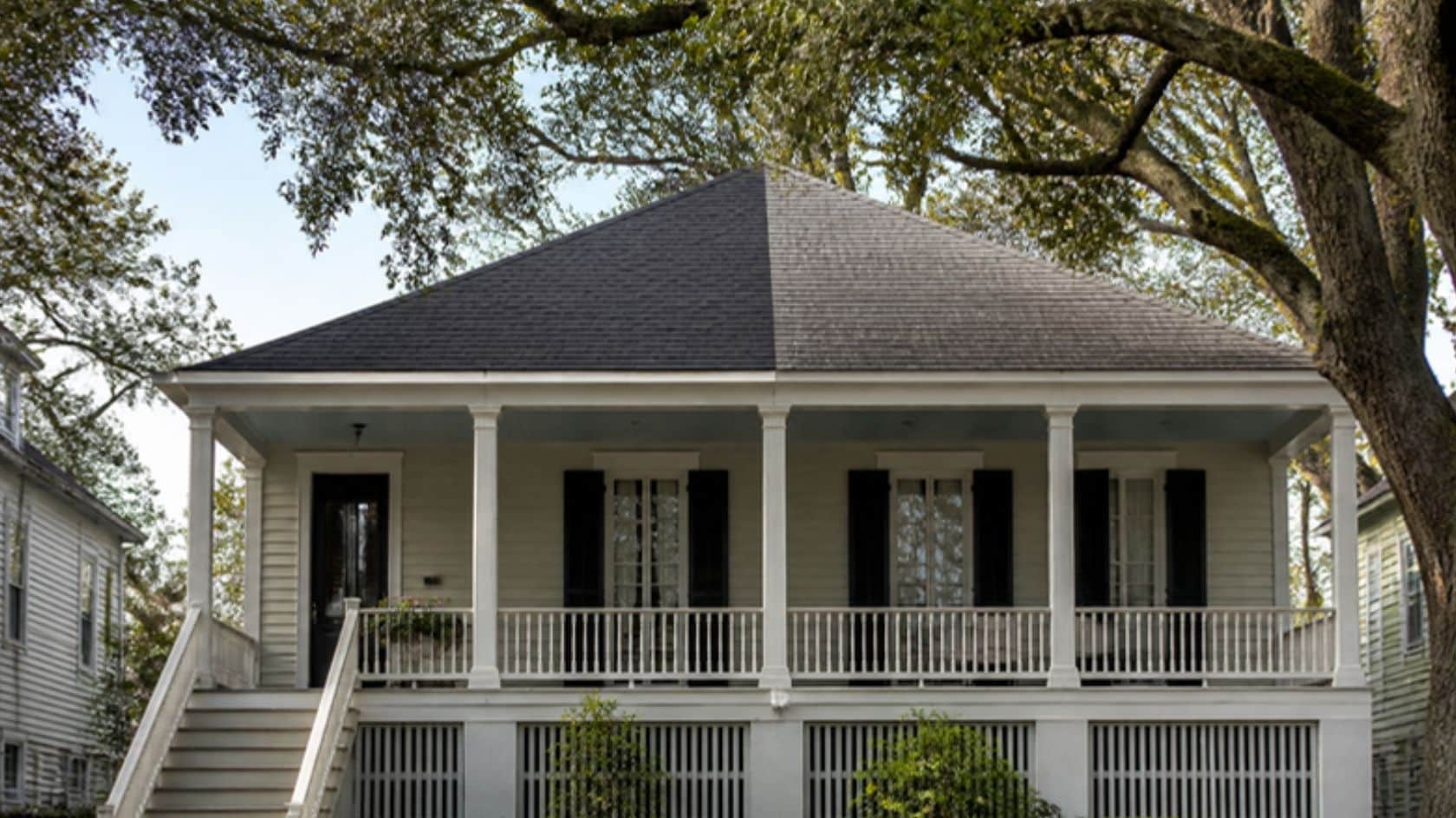
Whether an insurer pays for one damaged slope or the whole roof is a policy question, and only your insurer or agent can answer it. What a roofer can answer is the physical side of roof matching for insurance claims: whether replacement shingles can blend in with the rest of your New Orleans roof, or whether they will stand out.
That answer comes from identifying the shingle on your roof, checking whether it is still made, comparing color and style against what is available today, and documenting the result with photos. Those findings are what you bring to the conversation with your insurer.
In New Orleans roofing, storm damage rarely lands evenly. Wind peels shingles off the side facing the gust, and hail can bruise one slope while barely touching another. That leaves a lot of homeowners asking the same thing: if only one side was hit, what happens when new shingles go up next to old ones?
At TurnKey Roofing Contractor, we inspect the damage, work out how closely a repair can match, and give you a free estimate before any work starts.
If you want us to look at your roof, contact our New Orleans office to set up an inspection.
You can also call (504) 608-3921 during office hours.
Key Takeaways
- Coverage for one slope versus the full roof depends on your policy. Ask your insurer or agent, not your roofer.
- New shingles can look different at first even when they match, because they haven’t weathered like the rest of the roof.
- Saved shingles from the original install, the color name and the install year all help a roofer find the closest match.
- Discontinued shingles are the hardest case. A roofer can show you the closest current options before work starts.
- Clear photos and a written inspection report give you and your insurer the same facts to work from.
Why New Shingles Often Don’t Match an Older Roof
New shingles often don’t match because the roof around them has aged. Sun, heat and rain fade the color granules on a shingle over the years, so a fresh bundle of the same product can look brighter or darker than the slope beside it. Shingle color blends also change over time, and some products leave the market entirely.
The Asphalt Roofing Manufacturers Association (ARMA) puts it plainly in its guidance on repairs: a repair with new shingles, even matching ones, may look different at first because the new material hasn’t aged the same as the existing roof. ARMA adds that the difference generally becomes less noticeable over time as the repair weathers.
That first point matters for setting expectations. A shingle that is technically the same product can still read as a patch from the street for a while. A shingle that is a different product, with a different color blend or a different shape, may not fully blend in, even after years of weathering.
Shape is the part people forget. Architectural shingles have a layered, dimensional look, while 3-tab shingles lie flat with even cutouts. Put one style next to the other and the difference shows from the curb even when the colors are close.
Roof age plays into it too. Our post on roof problems in historic New Orleans homes explains why older houses here often carry layered or patched roofs, which makes a clean match harder to find.
How a Roofer Identifies the Shingles on Your Roof
A roofer identifies your shingles by their style, size, color and manufacturer, then checks whether that product is still sold. The fastest route is a leftover bundle from the original install. Without one, the color name and the year the roof went on help a roofer or a supply house track down the product or its closest current replacement.
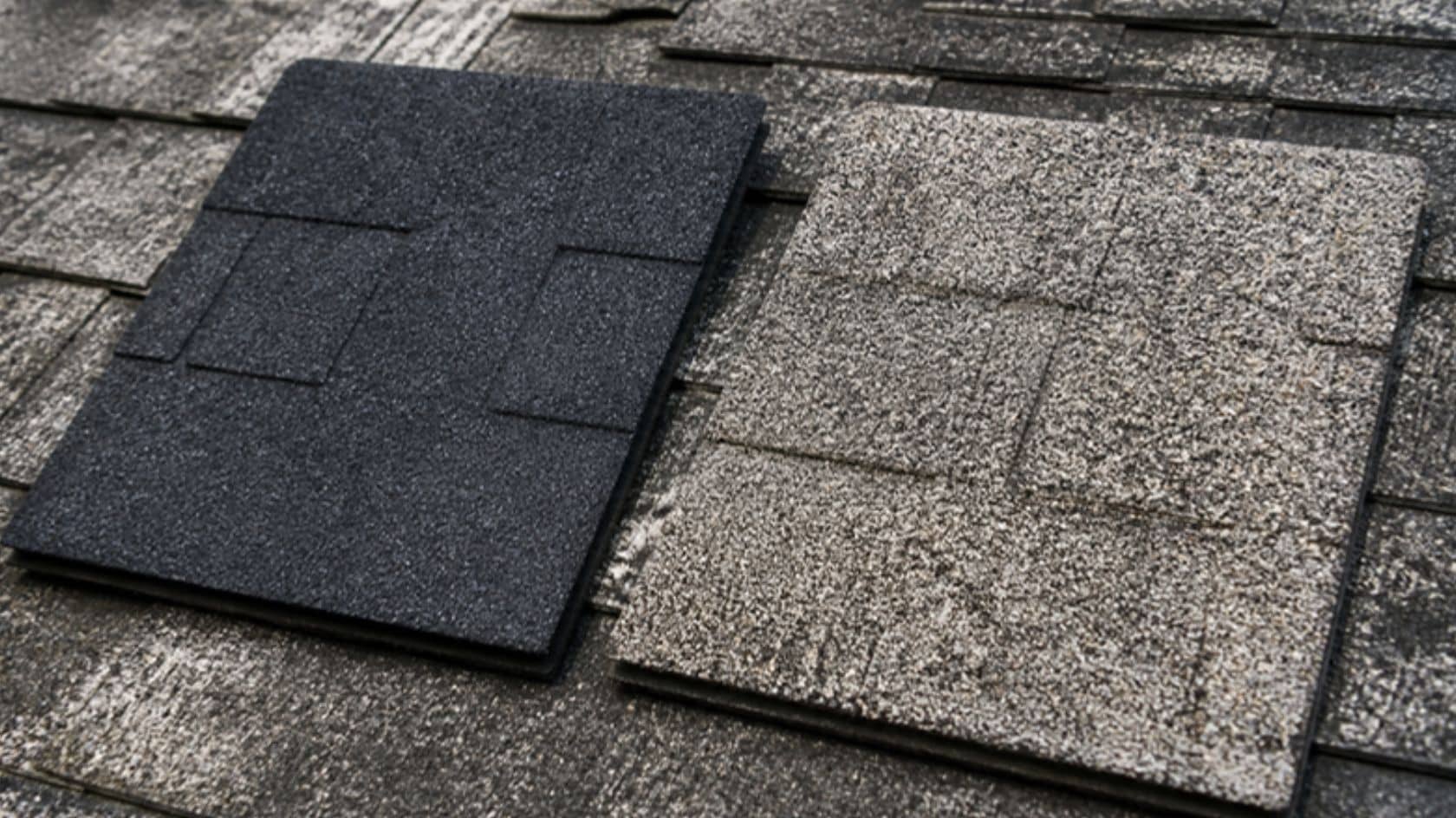
ARMA recommends the same order. Its repair guidance says one of the best ways to match is to use shingles saved when the roof was installed, and that contractors generally leave owners extra shingles for that purpose. If none were kept, knowing the color name and install year helps a contractor match your roof with a product on the market today.
Check these places before the inspection:
- The garage, attic or shed, where installers often leave a partial bundle
- Closing paperwork or the original roofing contract, which may name the brand and color
- A city permit record, which can help pin down the year of the last reroof
- Old photos of the house, which show the color before years of weathering
If none of that turns up, the roof itself still holds clues. A roofer can compare the shingle’s dimensions, the shape of its tabs or layers, and the mix of granule colors against current product lines. ARMA also notes that manufacturers can point to today’s products with color blends similar to ones that are no longer available.
Local distributors help here as well. ARMA’s guidance says a local roofing contractor or distributor is often a good source for identifying shingles by type and color when the brand is unknown.
When a Repair on One Slope Can Blend In
A repair on one slope can blend in when the shingle is still made, the roof is young enough that the color hasn’t shifted much, and the damage is limited to a section. Asphalt shingle roofs are built from parts that can be repaired independently, so a roofer can replace a damaged area without disturbing the rest of the roof.
ARMA describes asphalt shingles as easy to repair for exactly that reason. Sealed shingles can be carefully separated, damaged pieces swapped out, and the shingle above resealed so it bonds to the one below. Small repairs like that can be done quickly with materials that are easy to get.
On our hail damage roof repair jobs, the crew replaces bruised and cracked shingles and matches new shingles to the existing ones as closely as possible, so repaired areas blend in with the rest of the roof. We also check the decking under the worst-hit areas for soft spots.
Placement can help a repair blend. A slope facing the backyard is less visible than the one facing the street, and the color difference on a fresh repair tends to soften as the new shingles weather. None of that changes what a policy says, but it does shape how a repair will look once it is finished.
Repair is often the right call on a roof with years of life left. Our post on how roof repair can prevent bigger problems covers why fixing damage early keeps a small job small.
When Matching Is Hard: Discontinued Shingles and Older Roofs
Matching gets hard when the shingle is discontinued, when the roof is old enough that the color has faded well past a new bundle, or when the roof has been patched with mixed products over the years. In those cases a roofer can show you the closest options side by side, but a perfect match may not exist.
We match new shingles to the existing ones as closely as possible. If your shingles are discontinued, we explain the closest options before we start, so you can see what the finished repair will look like and decide what to do with that information.
Older New Orleans homes add another layer. Many have roofs that were patched, layered and reflashed more than once, and those earlier fixes can hide problems or mix two shingle products on the same slope. We find what sits under the old repairs so the new one holds.
Slate and tile follow different rules. A broken slate can usually be swapped out without disturbing the slates around it, and we repair slate and tile on older houses with matching material wherever we can source it. Matching salvaged or reclaimed pieces is a different job from shingle matching with a bundle off the shelf.
If the damage is spread across the roof, or the roof is near the end of its life, our roof replacement service in New Orleans may be the cleaner fix. It is backed by our 24 Hour Roof Replacement Guarantee, and we’ll tell you if a repair will buy your current roof several more good years.
What a Roofer Documents About Roof Matching for Insurance
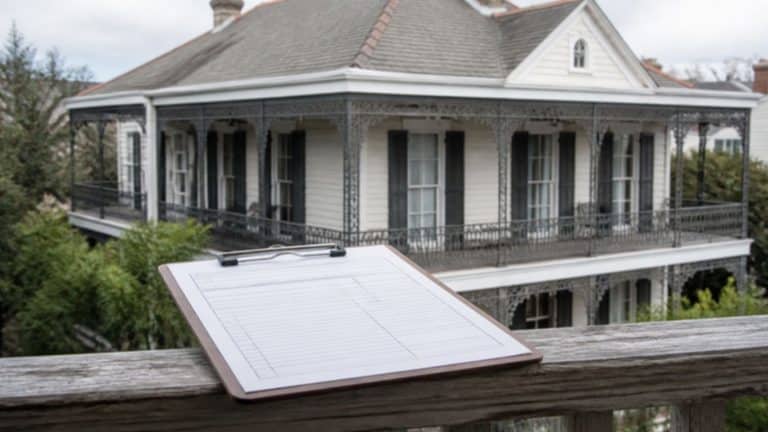
When roof matching for insurance is the question, a roofer documents what is damaged, where it is, what the existing shingle is, and whether a matching product can be found. Photos of each slope, close-ups of the damage, and the shingle identification all go into the record. That gives you facts to share with your insurer instead of guesses.
Our roof inspection in New Orleans ends with a detailed report of findings, photographs and repair recommendations. On a matching question, that record usually covers:
- Photos of every slope, including the ones that look undamaged
- Close-ups of bruised, cracked, lifted or missing shingles
- The shingle style and, where it can be found, the brand and color name
- Whether that product is still available, or which current products come closest
- Damage to flashing, vents and gutters on the same side of the house
Write down the storm date as well. NOAA’s Storm Events Database collects National Weather Service storm data and lets anyone search by state and date, which helps if you aren’t sure which storm caused the damage.
Keep any pieces of shingle or flashing that came off the roof. Damaged material can help show the scope of the loss. Our guide to the roof insurance claim process in Louisiana walks through what happens after you report damage.
Questions to Ask Your Insurer or Agent
Ask your insurer or agent how your policy handles a repair that can’t match the rest of the roof, because policies differ and your roofer can’t speak for the insurance company. Bring the inspection report and photos to that call, so the adjuster and your roofer are working from the same description of the damage.
These questions keep the conversation specific:
- How does my policy treat replacement shingles that won’t match the undamaged slopes?
- Will the adjuster look at whether the shingle is discontinued?
- Would a shingle sample or the inspection photos help the review?
- What happens if the adjuster and my roofer see the damage differently?
- Is there a deadline for sending documents after the inspection?
It also helps to know who should look at the roof first. Our post on public adjusters vs. roofing contractors compares the two roles after storm damage.
If a claim goes sideways, our post on common reasons roofing insurance claims get denied explains the issues that come up most often. For questions about policy terms, the right person is your agent or insurer.
What to Do While You Wait
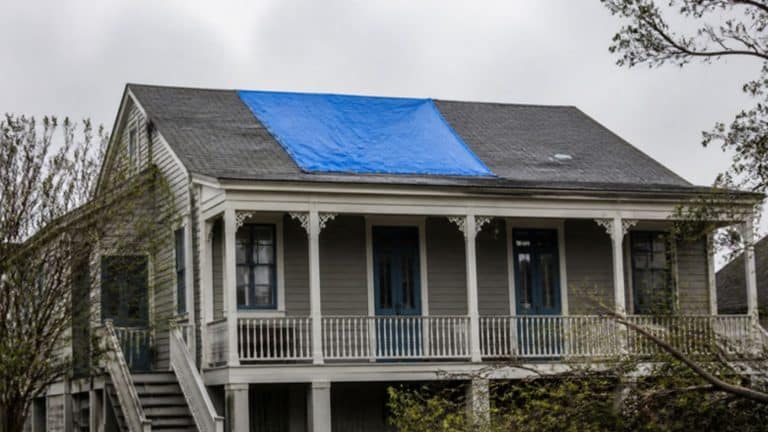
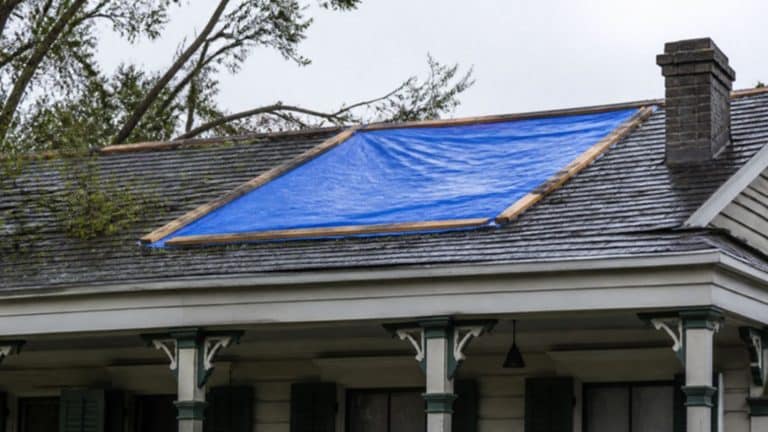
While you wait on an inspection or an adjuster, protect the inside of the house and leave the roof itself alone. Catch drips with buckets, move belongings away from wet spots, and photograph interior stains. If shingles are missing and more rain is coming, a roofer can cover the opening with an emergency tarp until the permanent repair.
ARMA lists failing to limit interior water damage as one of the mistakes to avoid, and notes that buckets and an exterior tarp can significantly reduce the damage that occurs. It also warns that roofing cement over a puncture works only as a temporary repair, not a long-term one.
Stay off the roof. Damaged shingles can break underfoot and a wet roof is slippery, so check what you can from the ground and the attic. Look for shingles in the yard, dented gutters and vents, and stains or damp insulation in the attic.
We answer emergency calls around the clock, and our office is open Monday to Friday from 8:00 AM to 6:00 PM. We’re a licensed local roofing company (Residential License # 890459), and estimates are free.
Frequently Asked Questions
Will insurance replace my whole roof if only one slope is damaged?
Why do new shingles look different from my old ones?
How can a roofer tell what shingles are on my roof?
What if my shingles are discontinued?
What should a roof inspection report include for a matching question?
Written by: TurnKey Roofing Contractor
Last updated: November 5, 2026