
25 Hour Roof Replacement Guarantee - Get Your FREE Estimates!
Residential License # 890459
Commercial License # 3667
Residential License # 890459
Commercial License # 3667

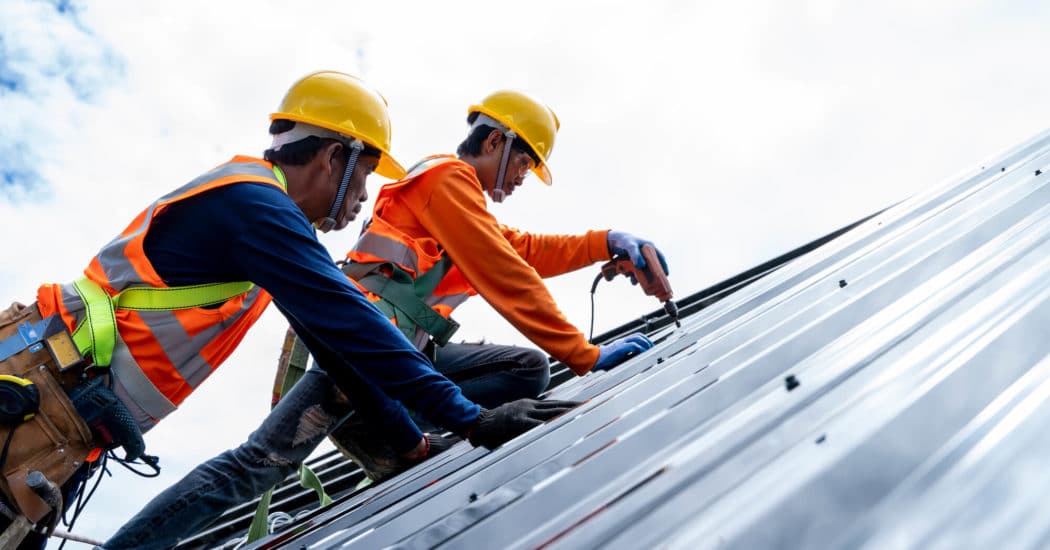
Your roof takes a beating every single day. Rain, wind, scorching sun, fallen branches, it all adds up. And here’s what most homeowners don’t realize until it’s too late: that small leak or missing shingle you’ve been ignoring? It’s not going to fix itself. In fact, it’s quietly inviting bigger, costlier problems into your home. The good news is that catching issues early through timely roof repairs can save you thousands of dollars and protect your home from serious damage. Let’s talk about why addressing roofing problems quickly isn’t just smart, it’s essential for your home’s well-being.
Prompt roof repairs prevent minor issues like small leaks or damaged shingles from escalating into structural damage, mold growth, and expensive replacements. By addressing problems early, you avoid water infiltration that compromises insulation, framing, and interior spaces while extending your roof’s lifespan significantly.
When you ignore a roofing problem, you’re essentially starting a chain reaction. That tiny leak you spotted in the attic? Water doesn’t just sit there politely. It seeps into insulation, weakening its effectiveness and driving up your energy bills. Then it moves to the wooden framing beneath, where moisture creates the perfect environment for rot and mold.
Before you know it, you’re dealing with compromised structural integrity. Rafters and trusses that were designed to support your entire roof system start deteriorating. What began as a $300 repair job has morphed into a $15,000 nightmare involving structural engineers and major reconstruction.
The kicker? This progression can happen faster than you think, especially in New Orleans, where humidity accelerates moisture-related damage.
Catching problems early means knowing what to look for. Your roof will give you clues when something’s wrong:
 Missing or damaged shingles after a storm or strong wind event
Each of these signs represents an opportunity. Fix them now, and you prevent the cascade of damage that follows.
Water infiltration doesn’t just damage materials; it creates health hazards. Mold spores thrive in damp environments, spreading through your HVAC system and affecting indoor air quality. For families with allergies or respiratory issues, this becomes a serious health concern.
Then there’s the pest factor. Damaged roofing creates entry points for squirrels, raccoons, bats, and insects. Once they’re in your attic, they damage insulation, chew wiring, and create unsanitary conditions. Removing an established wildlife problem costs significantly more than patching the hole that lets them in.
Don’t forget your energy bills. When water compromises insulation effectiveness, your HVAC system works overtime. In New Orleans’ climate, where air conditioning runs almost year-round, that efficiency loss hits your wallet hard every single month.
You might spot obvious damage from the ground, but a professional inspection reveals the full story. Here at TurnKey Roofing, we’ve seen it all, and we know exactly where to look for trouble.
Professionals check:
1. Flashing integrity around chimneys, vents, and skylights
2. Underlayment condition beneath visible shingles
3. Ventilation adequacy that prevents moisture buildup
4. Deck soundness for early signs of rot or damage
5. Gutter function and proper drainage patterns
We recommend scheduling roof inspections at least twice a year or after severe weather events. That investment of time (and we offer free inspections, by the way) can literally save your roof. Many homeowners are shocked to learn they had serious issues brewing that weren’t visible from ground level.
Don’t wait for a minor issue to become a major headache. Your roof is the shield that protects your entire home; everything underneath depends on it staying in solid condition.
If you’ve noticed any warning signs or simply can’t remember the last time someone checked your roof, now’s the time. Schedule a free inspection with TurnKey Roofing Contractor today and experience the peace of mind that comes with a well-maintained roof. We go beyond fixing leaks; our team offers expertise, reliability, and a commitment to your home’s well-being.
Remember: prevention costs pennies compared to emergency repairs. Make the smart choice for your home and your budget.
Immediately. Even a minor leak allows water infiltration that begins damaging insulation and framing within days. What starts as a small stain can become a structural issue within weeks, especially in humid climates where mold grows rapidly.
While DIY patches might seem cost-effective, improper installation often makes problems worse by creating new leak points. Professional roofers ensure repairs integrate properly with existing materials and identify underlying issues you might miss.
If damage affects less than 30% of your roof and the structure underneath is sound, repairs usually make sense. Beyond that threshold, or if your roof has reached its expected lifespan, replacement becomes more cost-effective long-term.
Most policies cover sudden damage from storms or accidents but exclude maintenance and wear-and-tear repairs. However, neglecting repairs can void coverage for resulting damage, so staying proactive protects both your roof and your insurance claims.


