
Single-Ply Roofing in New Orleans for Commercial and Low-Slope Roofs
- A roof highly resistant to UV rays, hail and strong winds
- Help choosing the right single-ply system for your building
- Free consultation with all your questions answered
- Residential License # 890459
- Commercial License # 3667
Single-ply roofing in New Orleans covers a low-slope roof with one tough, flexible membrane that resists UV rays, hail and strong wind. TurnKey Roofing Contractor installs and repairs TPO and PVC single-ply systems on offices, warehouses, retail buildings and the flat sections of homes, with seams welded into a continuous watertight surface.
Call (504) 608-3921 or request a free single-ply roofing consultation. We'll answer your questions, help you choose the right system for your building and give you a clear price before work begins.
What Single-Ply Roofing Is
A single-ply roof uses one layer of factory-made membrane in place of the multiple layers of a built-up or modified bitumen roof. The sheets come in wide rolls, which cuts down on seams, and they're attached to the roof in one of three ways:
- Mechanically fastened: plates and screws hold the membrane to the deck along the seams
- Fully adhered: the membrane is glued to the insulation or cover board across its entire surface
- Ballasted: loose-laid membrane held down by stone or pavers, used on some large roofs
The three main single-ply membranes are TPO, PVC and EPDM. TPO and PVC are thermoplastics with heat-welded seams, and they're the focus of this page. EPDM is a synthetic rubber, covered in detail on our rubber roofing page.
Why TPO Roofing Suits New Orleans Buildings
TPO, short for thermoplastic polyolefin, is a white single-ply membrane built for hot, sunny climates. These qualities make it a strong fit for commercial roofs here.
- Reflective white surface that bounces sunlight off the roof and lowers cooling loads inside
- Heat-welded seams that fuse the sheets together, so seams resist water as well as the membrane itself
- Resistance to UV rays, hail and strong wind, which keeps the roof protected through storm season
- Light weight, which puts less stress on the building structure and suits both new construction and replacements
- Fire resistance ratings available on many single-ply products
- Low maintenance, with routine cleaning and inspections keeping it in good shape
A cooler roof surface also slows the aging of the membrane and the rooftop equipment that sits on it.
TPO vs PVC vs EPDM
Each single-ply membrane has strengths. This comparison helps match the membrane to the building.
| Feature | TPO | PVC | EPDM |
|---|---|---|---|
| Material | Thermoplastic polyolefin | Polyvinyl chloride | Synthetic rubber |
| Usual color | White | White or light gray | Black, with white available |
| Seams | Heat-welded | Heat-welded | Tape or adhesive |
| Sun reflection | High | High | Low in black, high in white |
| Best fit | Most commercial low-slope roofs | Restaurants and roofs exposed to grease or chemicals | Roofs where flexibility and easy patching matter |
PVC costs more than TPO, but its resistance to grease and chemicals makes it the better choice over commercial kitchens and some industrial buildings.
How New Orleans Weather Tests a Single-Ply Roof
A single-ply membrane is thin compared with a built-up roof, so the way it's attached and detailed decides how it handles our weather.
-
Heat and Sun
Summer sun heats a dark roof surface far above the air temperature, and that heat breaks down roofing materials over time. A white TPO or PVC membrane reflects much of that energy, which keeps the membrane cooler and slows its aging.
-
Heavy Rain
Water lingers on low-slope roofs after a downpour. Welded seams resist standing water well, but drains and tapered insulation still have to move water off the roof so it doesn't pond against seams and flashing.
-
Wind Uplift
Wind pulls hardest at the corners and edges of a flat roof. Extra fasteners or full adhesion in those zones, along with secure metal edge trim, keep the membrane from peeling back in a storm.
-
Hail and Debris
Hail and flying branches can bruise or puncture a membrane. A cover board under the membrane adds a firm backing that helps it resist impact damage.
Our Single-Ply Roof Installation Process
-
Inspect and Prepare the Roof
We inspect the existing roof, deck and drains, handle the permits the job needs, and remove or prepare the old roofing. Insulation and cover boards go down next, with tapered sections where water has been ponding.
-
Lay and Weld the Membrane
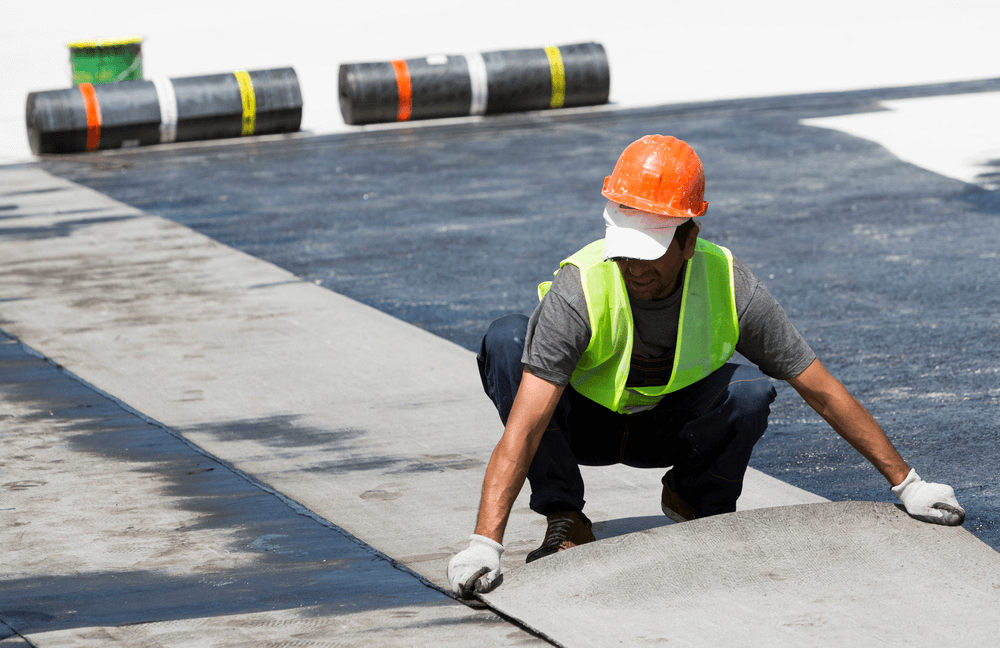
We roll out the membrane, fasten or adhere it to the deck, and weld the overlapping seams with a hot-air welder. The welds fuse the sheets into one continuous surface.
-
Flash the Details and Inspect
Curbs, walls, drains, pipes and the roof edge get membrane flashing and metal trim. We check the seams, inspect the finished roof and clean up the work area.
Single-Ply Roofing for New Orleans Businesses
A roof project on an occupied building has to protect the people and equipment inside. Single-ply membranes are light and quick to install, which keeps the disruption for tenants and customers short. On some buildings, a new membrane can go over one existing roof layer with a cover board between them, as long as the old roof is dry and code allows it, which avoids a full tear-off.
- Office buildings and medical offices
- Retail stores and shopping centers
- Warehouses and light industrial buildings
- Restaurants and commercial kitchens
- Apartment and condo buildings with flat roofs
For a new building, see our commercial roof installation service. When an older roof has reached the end of its life, our commercial roof replacement service replaces it with a new single-ply system.
Keeping a Single-Ply Roof in Good Shape
Single-ply membranes need little upkeep, but a few habits keep them performing well.
- Clear leaves, branches and other debris from the roof surface regularly
- Twice a year, clean the membrane gently with a soft broom and a mild soap solution
- Skip harsh chemicals, which can damage the membrane
- Check the flashing around pipes, vents and curbs for cracks, gaps or loose fasteners
- Use walkway pads on paths that service crews walk often
- Have a qualified roofer inspect the roof on a regular schedule and after major storms
Our commercial roof maintenance service covers these tasks for building owners and property managers.
When a Single-Ply Roof Needs Repair
Most single-ply problems start at the seams, the flashing or a spot where something punctured the membrane. Watch for open or lifted seam edges, cuts from dropped tools or storm debris, membrane pulling away at walls and curbs, and water standing in low areas.
Leaks on a flat roof can travel before they show inside, so our commercial roof leak detection service finds the source first. After a storm, our commercial hail damage roof repair service checks the membrane for impact damage. A damaged area of TPO or PVC can be cleaned and welded over with a new piece of membrane, so most repairs tie in cleanly with the rest of the roof.
Single-Ply Roofing FAQs
Estimates are free
- Residential License # 890459
- Commercial License # 3667
How long does a single-ply roof last?
Service life depends on the membrane, the quality of the seams and flashing, the drainage and the maintenance. A single-ply roof that drains well and gets regular inspections holds up for many years.
How does single-ply roofing handle New Orleans weather?
Single-ply membranes are highly resistant to UV rays, hail and strong wind. White TPO and PVC also reflect sunlight, which keeps the roof and the building cooler.
Is single-ply roofing heavy on a building?
No. Single-ply membranes are lightweight, which puts less stress on the structure and suits both new construction and roof replacements.
What is the difference between TPO and single-ply roofing?
Single-ply is the category, and TPO is one membrane in it. PVC and EPDM are the other common single-ply membranes.
How do I clean a single-ply roof?
Clear leaves, branches and debris regularly. Twice a year, gently clean the surface with a soft broom and a mild soap solution, and avoid harsh chemicals because they can damage the membrane.

Get a Free Single-Ply Roofing Estimate in New Orleans
Call (504) 608-3921 or book your free consultation online. We're licensed under Commercial License # 3667 and Residential License # 890459, and our Unlimited Wind Warranty covers wind damage regardless of wind speed.