Green Roofing in New Orleans That Holds Rain and Cools Your Building
- A green roof that insulates your home and absorbs rainwater
- Services tailored to the New Orleans climate and your needs
- Your green roof estimate is free
- Residential License # 890459
- Commercial License # 3667
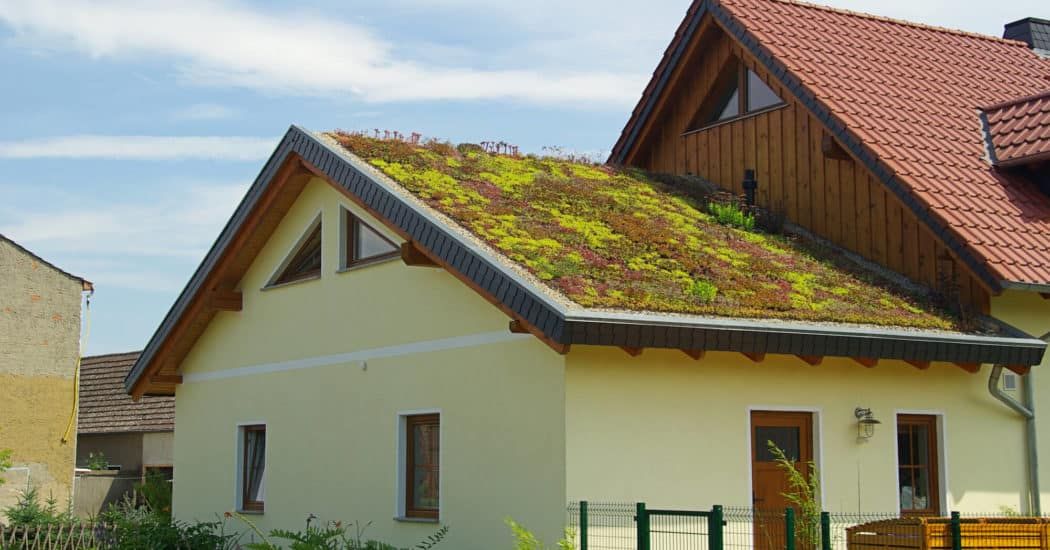
Green roofing in New Orleans puts a living layer of plants on top of a waterproof roof, where it soaks up rainwater, shades the membrane and keeps the building below cooler. TurnKey Roofing Contractor builds the waterproofing, root barrier and drainage layers that a planted roof depends on, for homes and commercial buildings that can carry the weight.
Call (504) 608-3921 or request a free green roof estimate. We'll look at the roof and the building, explain what a green roof involves and give you a clear price before any work starts.
What a Green Roof Is
A green roof replaces a traditional surface like asphalt shingles or metal with a system of layers that supports plants. Each layer has a specific job, and the roof only works when all of them are built correctly.
| Layer | What it does |
|---|---|
| Roof deck and structure | Carries the weight of soil, plants and the water they hold |
| Waterproof membrane | Keeps water out of the building, the most critical layer in the system |
| Root barrier | Stops plant roots from working into the membrane |
| Drainage layer | Moves excess water off the roof so the soil doesn't stay soaked |
| Filter fabric | Keeps soil from washing into the drainage layer |
| Growing medium | A lightweight soil mix made for rooftops |
| Plants | Hardy species that handle sun, heat and wet spells |
The membrane sits under everything else, so fixing a leak later means removing plants and soil to reach it. That's why the waterproofing on a green roof deserves extra care at installation.
Extensive vs Intensive Green Roofs
Green roofs come in two broad types, and the choice affects weight, cost and upkeep.
-
Extensive Green Roofs
An extensive roof uses a shallow layer of growing medium planted with low, hardy groundcovers such as sedums. It weighs less, needs little watering once the plants are established, and isn't meant for regular foot traffic. This is the type that fits most existing buildings.
-
Intensive Green Roofs
An intensive roof uses deeper soil that can support grasses, shrubs and even small trees, often with walkways and seating. It works like a rooftop garden and needs a structure designed for much heavier loads, along with regular gardening and irrigation.
Benefits of a Green Roof in New Orleans
Heavy rain and long, hot summers make these benefits count in New Orleans:
- Rainwater absorption: soil and plants hold water during a downpour and release it slowly, easing the load on gutters and storm drains
- Lower cooling costs: the planted layer adds insulation and shades the roof from direct sun
- A cooler city: plants absorb sunlight that would otherwise turn into heat on a bare rooftop
- Membrane protection: the soil shields the waterproofing from sun and daily temperature swings
- Cleaner air: plants filter some pollutants and carbon dioxide from the air
- Habitat: a planted roof gives birds, bees and butterflies a place to feed and rest
With the membrane no longer baking in direct sun or flexing through daily heating and cooling, the waterproofing under a well-kept green roof ages more slowly than the same membrane left bare.
Our post on sustainable roofing options for Louisiana homes compares green roofs with other eco-friendly choices.
What to Check Before Installing a Green Roof
A green roof is a bigger project than a standard reroof. These four areas decide whether it's practical for your building.
-
Structural Capacity
Saturated soil is heavy. A structural engineer needs to confirm the building can carry the load of soil, plants and retained water, and that review adds to the cost and planning time.
-
Waterproofing
The membrane should be new or in excellent condition and tested for leaks before the growing layers go on top, since leaks under the soil are hard to reach later.
-
Drainage
Drains, scuppers and the drainage layer have to handle New Orleans downpours without letting water back up into the soil. Overflow paths keep heavy storms from flooding the roof. Gravel strips or pavers along the edges and around each drain keep plants from growing into the openings and give a roofer a clear path to inspect them.
-
Plant Selection
Plants have to tolerate hot, humid summers, heavy rain, dry spells and the occasional cold snap. Native species tend to be the most resilient, need less maintenance and support local wildlife.
Steps to a New Green Roof
A green roof comes together in a set order, with the waterproofing finished and checked before anything is planted.
- Review the structure and roof. We look at the existing roof, the building gets a structural review to confirm it can carry the load, and we handle the permits for the job.
- Plan the system. We work out the roof type, drainage and layer build-up for the building and your budget.
- Prepare the deck and install the membrane. The old roof comes off where needed, we repair the deck, and a new waterproof membrane goes down with flashing at walls, curbs and drains.
- Add the protective layers. The root barrier, drainage layer and filter fabric go over the membrane.
- Place the growing medium and plants. We spread lightweight soil to the planned depth, and the plants go in.
- Inspect and clean up. The finished roof gets a final inspection of its edges and drains, and we clean up the work area.
Caring for a Green Roof
A green roof needs more attention than a bare roof, especially in its first growing season. Plan for these tasks, and expect the roof to need less work once the plants fill in and shade out weeds:
- Water new plants until they root in, and during long dry spells
- Pull weeds and remove seedlings from trees before their roots dig in
- Keep drains and scuppers clear of soil, leaves and plant debris
- Check the edges, flashing and penetrations where the membrane is exposed
- Replant bare patches so soil doesn't wash or blow away
Upfront costs cover design, materials, structural work and labor, and they run higher than a conventional roof. Ongoing maintenance adds to that, so budget for both when you compare options.
Other Ways to Make a Roof More Sustainable
If a green roof isn't practical for your building, other options deliver some of the same benefits. A reflective roof coating bounces sunlight off the roof and lowers attic heat. Added roofing insulation keeps cooled air inside the house. Metal roofing lasts 40 to 70 years and can be recycled at the end of its life. For low-slope buildings, see our full overview of flat roofing systems.
Green Roofing FAQs
Estimates are free
- Residential License # 890459
- Commercial License # 3667
What is a green roof?
A green roof is a roof system that supports plants in place of shingles or metal. It's built in layers, including a waterproof membrane, a root barrier, a drainage layer and a lightweight growing medium.
What are the benefits of a green roof?
Green roofs absorb rainwater, add insulation that lowers cooling costs, protect the membrane from sun and heat, and help clean the air.
Can my building support a green roof?
Not every building can carry the added weight of soil, plants and retained water. A structural engineer needs to review the building before the project moves forward.
Which plants work on a green roof in New Orleans?
Plants need to handle hot, humid summers, heavy rain, dry spells and occasional cold snaps. Native species are often the most resilient, and they need less maintenance.
Does a green roof cost more than a regular roof?
Yes. The upfront cost covers design, materials, structural work and labor, and the roof needs regular upkeep after it's planted. Plan for both when you budget.

Get a Free Green Roofing Estimate in New Orleans
Call (504) 608-3921 or book your free estimate online. We'll tell you whether your building is a good candidate for a green roof and what it will take. We're licensed under Residential License # 890459 and Commercial License # 3667.