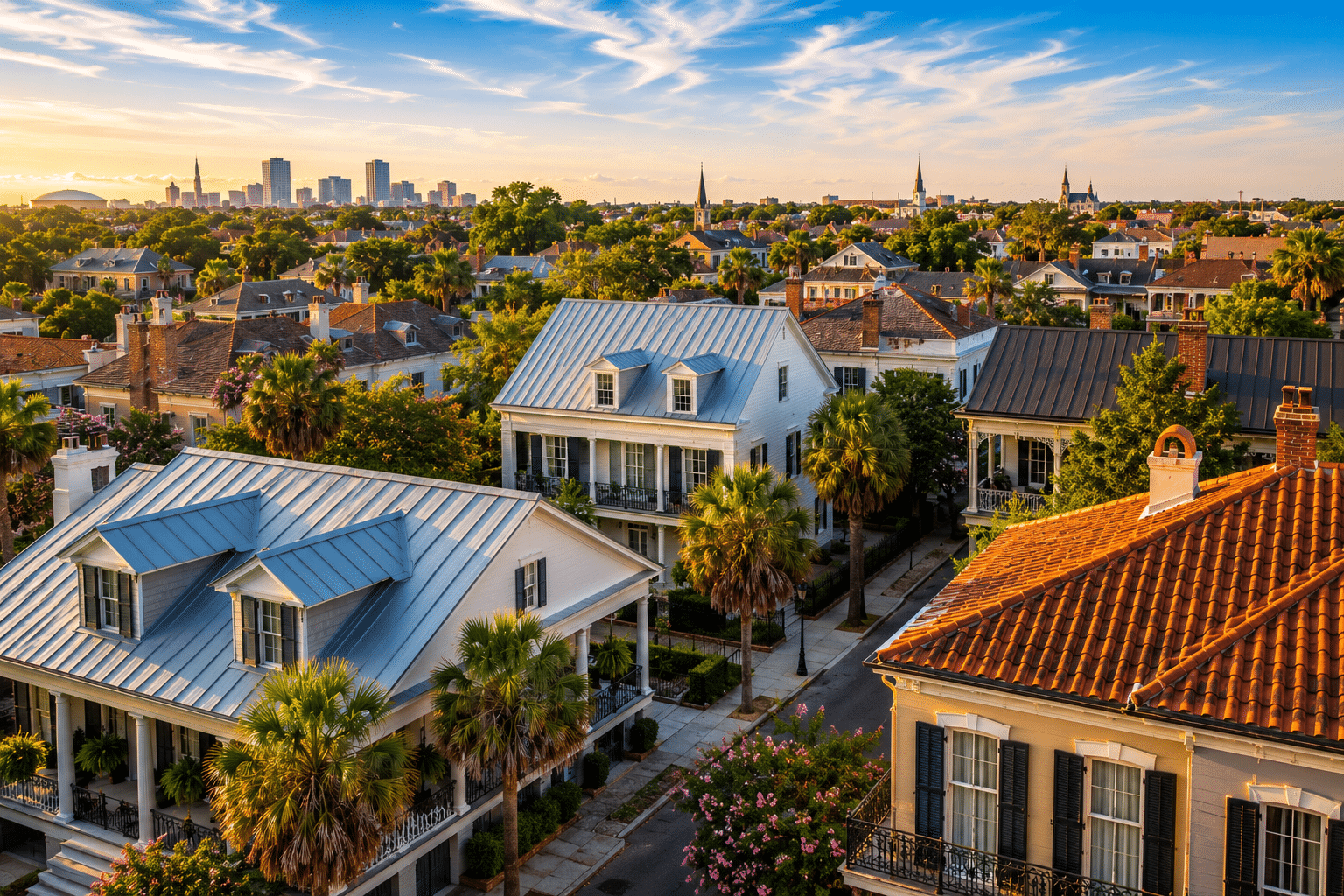
If you’re a Louisiana homeowner thinking about your next roof, sustainability is worth putting near the top of your list. The combination of intense heat, heavy rainfall, hurricane-force winds, and high humidity makes Louisiana one of the most demanding environments for roofing in the country.
Choosing sustainable roofing options for Louisiana homes isn’t just about going green; it’s about selecting materials that hold up longer, lower your energy bills, and reduce waste over time. TurnKey Roofing Contractor, based in New Orleans, helps homeowners across the region find roofing solutions that are built for this climate and built to last.
Why Sustainable Roofing Matters in Louisiana
Louisiana’s climate is unlike most of the country. New Orleans and the surrounding parishes experience long, brutal summers where temperatures regularly climb into the mid-90s, alongside high humidity that accelerates wear on traditional roofing materials. Then there’s hurricane season, which runs from June through November and can bring wind speeds that test any roof to its limits.
Traditional asphalt shingles, while widely used, typically have a lifespan of 15 to 25 years in moderate climates, but in Louisiana, that figure can drop significantly due to thermal cycling, UV exposure, and storm damage. That wear means more materials in landfills, more frequent roof replacements, and higher long-term costs for homeowners.
Sustainable roofing addresses all of these problems at once. Eco-friendly materials tend to be more durable, energy-efficient, and recyclable, making them a smarter investment for Louisiana’s unique demands.
Why Louisiana Homeowners Are Making the Switch
- Rising energy costs: A more reflective or insulated roof reduces cooling loads during hot Louisiana summers
- Increased storm frequency: Durable, sustainable materials often carry stronger wind ratings
- Insurance incentives: Some insurers offer discounts for impact-resistant or FORTIFIED-rated roofing systems
- Environmental awareness: Fewer replacements means less material sent to landfills
- Long-term ROI: Higher upfront costs are often offset by lower maintenance and utility bills
What “Sustainable” Really Means for Your Roof
Sustainable roofing isn’t a single product; it’s a set of characteristics. A truly sustainable roof for a Louisiana home should:
- Reflect solar heat rather than absorb it
- Withstand high winds and heavy rain without frequent repairs
- Use materials that are recyclable or have high recycled content
- Reduce energy consumption through better insulation or ventilation
- Last significantly longer than standard alternatives
The Best Sustainable Roofing Materials for Louisiana Homes
Not every eco-friendly roofing product performs equally well in the Gulf Coast climate. The materials below have been proven to hold up in Louisiana’s heat, humidity, and storm conditions.
Metal Roofing: The Gold Standard for Longevity
Metal roofing is widely considered one of the most sustainable options available to homeowners today. Metal roofs can last 40 to 70 years, often two to three times longer than conventional shingle roofs, which dramatically reduces lifecycle waste.
In Louisiana, metal roofing offers specific advantages that make it especially practical:
 Wind resistance: Metal roofs can typically be rated to withstand winds of 120 mph or more, which is critical in hurricane-prone parishes
- Solar reflectivity: Reflective coatings on metal panels bounce sunlight away from the home, reducing indoor temperatures and AC demand
- Recyclability: Most metal roofing is made from a high percentage of recycled content and is fully recyclable at the end of life
- Low maintenance: Metal doesn’t rot, crack, or grow mold the way organic materials can
 Wind resistance: Metal roofs can typically be rated to withstand winds of 120 mph or more, which is critical in hurricane-prone parishes
Roof Coatings: A Sustainable Upgrade Without Full Replacement
One of the most overlooked sustainable solutions is a high-quality roof coating. Instead of tearing off an existing roof and sending materials to a landfill, a reflective elastomeric coating can be applied directly over a structurally sound roof.
Cool roof coatings, typically white or light-colored, reflect a significant portion of solar radiation. This can meaningfully lower attic temperatures and reduce the load on your air conditioning system during Louisiana’s long summers.
Tile Roofing: Classic Durability with Environmental Benefits
Tile roofs , whether clay or concrete, have been used in the Gulf South for generations, and for good reason. They’re naturally durable, non-combustible, and don’t off-gas chemicals as they age.
Clay tile, in particular, is made from a naturally abundant material, requires minimal processing compared to synthetic products, and can last 50 years or more with proper maintenance. The barrel shape of traditional clay tile also creates natural airflow between the tile and the roof deck, which helps reduce heat transfer into the home.
Green Roofing: A Forward-Thinking Option for New Orleans
Green roofing , sometimes called living roofs, involves growing vegetation on a waterproofed roof surface. While it requires careful engineering, green roofing offers significant environmental benefits: stormwater absorption, urban heat island reduction, and natural insulation.
For low-slope or flat roof sections common on New Orleans homes and commercial properties, green roofing can be a genuinely viable choice when professionally installed and maintained.
The Role of Insulation and Ventilation in Sustainable Roofing
Sustainable roofing isn’t just about the outer layer; what’s underneath matters just as much. Proper roof insulation and roof ventilation are essential components of any energy-efficient roofing system in Louisiana.
Poor attic ventilation traps heat and moisture, which can shorten the lifespan of even the best roofing materials. In a climate as humid as Louisiana’s, trapped moisture in the attic also creates conditions that favor mold growth and wood rot, both of which compromise your home’s structure over time.
Why Proper Ventilation Is a Sustainability Issue
When hot air is allowed to accumulate in the attic unchecked, it pushes heat down into your living spaces. This forces your HVAC system to work harder and longer, increasing your energy consumption and carbon footprint.
A properly ventilated roof system allows hot air to escape continuously, keeping the attic cooler and extending the life of the roofing materials above:
- Ridge and soffit vents: create a natural airflow channel from eave to peak
- Attic fans: actively push out hot air during peak afternoon heat
- Radiant barriers: reflect heat away from the attic floor when combined with proper ventilation
- Proper insulation depth: reduces heat transfer from the attic into the living spaces
How the Right Insulation Supports Sustainable Goals
Louisiana’s climate requires a thoughtful approach to insulation. Too little insulation and your home bleeds conditioned air. Too much, installed improperly, can restrict airflow and trap moisture.
Spray foam insulation applied to the underside of the roof deck is one approach that has become increasingly popular in Gulf Coast homes. It seals air gaps while also providing a moisture barrier, addressing two of Louisiana’s biggest roofing challenges simultaneously.
Weatherproofing and Storm Resilience as Sustainability Principles
A sustainable roof in Louisiana must also be a storm-resistant one. A roof that fails during a hurricane, requiring emergency repairs or full replacement, generates significant waste and cost, undermining any sustainability benefit the original materials may have offered.
Roof weatherproofing should be viewed as part of a sustainability strategy, not separate from it. This includes proper underlayment, sealed flashing, impact-resistant materials, and regular roof maintenance to catch minor issues before they become catastrophic ones.
Storm-Ready Features to Look for in Sustainable Materials
- Impact resistance ratings: especially relevant in hail-prone areas north of New Orleans
- Wind uplift ratings: materials tested to ASTM standards for hurricane-force conditions
- FORTIFIED Home certification: a program that designates roofing systems meeting elevated wind and storm standards
- Seamless flashing details: reduces the risk of water infiltration at vulnerable points
The Long-Term Math: Durability vs. Replacement Cycles
Consider a standard three-tab asphalt shingle roof in Louisiana. In optimal conditions, it might last 20 years. A metal roof installed at the same time could still be performing well at 60 years old. Over that same 60-year period, the asphalt roof would have been replaced three times, tripling the material cost, labor cost, and waste generated.
That math is the core of the sustainability argument: longer-lasting materials reduce the cumulative environmental and financial impact of roofing over the life of your home.
How TurnKey Roofing Contractor Can Help
TurnKey Roofing Contractor brings deep local knowledge to every roofing project. Serving New Orleans, Metairie, Slidell, Kenner, Covington, Mandeville, and communities across the greater metro area, the team understands what Louisiana roofs face and how to build systems that endure it.
Whether you’re considering a full roof installation using metal or tile, adding a reflective coating to extend the life of your current roof, or improving your insulation and ventilation system, TurnKey can assess your home and recommend the most practical and sustainable path forward.
Starting with a thorough roof inspection is always a smart first step, as it gives you an accurate picture of your current roof’s condition and helps you make a well-informed decision about upgrades or replacement.
If you’re ready to explore sustainable roofing for your Louisiana home, TurnKey Roofing Contractor is here to guide you through the options. Reach out for a free estimate and let the team help you find a solution that protects your home for decades to come.
Frequently Asked Questions
What is the most durable sustainable roofing option for Louisiana homes?
Metal roofing is generally considered the most durable sustainable option for Louisiana’s climate. It can last 40 to 70 years, withstand high winds, and reflects solar heat — making it well-suited to both hurricane season and the long, hot Louisiana summers. Tile roofing (clay or concrete) is another long-lasting option with a similar lifespan when properly installed and maintained.
Can I make my existing roof more sustainable without replacing it?
Yes. If your existing roof is structurally sound, a reflective elastomeric roof coating can significantly improve its energy efficiency by bouncing solar heat away from the home. Upgrading your attic insulation and improving ventilation are also impactful changes that don’t require tearing off the existing roof.
Does sustainable roofing cost more upfront in Louisiana?
Sustainable materials like metal or tile typically carry a higher initial cost than standard asphalt shingles. However, their longer lifespan, lower maintenance needs, and potential energy savings often result in a lower total cost over time. Some options may also qualify for energy efficiency tax credits or insurance discounts, which can offset the upfront investment.
What roofing materials perform best during hurricane season in Louisiana?
Metal roofing with high wind uplift ratings and FORTIFIED-rated shingle systems are among the top performers during hurricane season. Impact-resistant tiles and properly installed single-ply membrane systems on flat roofs also offer strong storm resistance. The quality of installation — including flashing, underlayment, and fastening — matters just as much as the material itself.