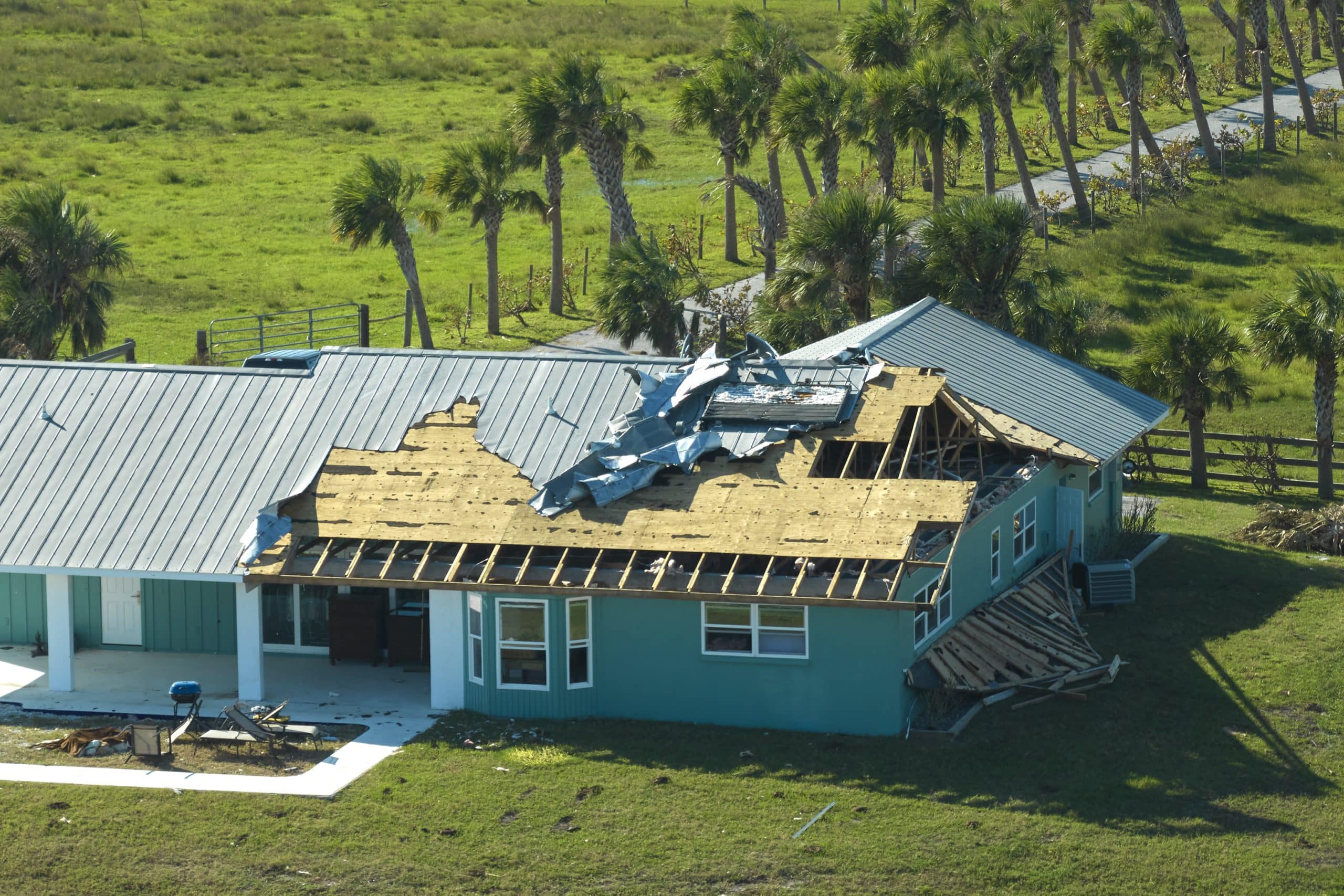
Hurricane season is a fact of life in New Orleans. Every year, from June through November, homeowners across the city brace for tropical storms, sustained winds, and the kind of heavy rainfall that few other places in the country experience.
Your roof is the first line of defense against all of it, and in a city as storm-prone as New Orleans, even a relatively mild hurricane season can leave real damage behind. Understanding how hurricane season affects roofs in New Orleans helps you stay ahead of costly repairs and keep your home protected year after year.
New Orleans Roofs Face a Unique Set of Challenges
Not all roofs face the same risks, and New Orleans homes deal with a particularly demanding combination of factors. Louisiana’s low-lying geography and proximity to the Gulf of Mexico mean the city sits directly in the path of major storm systems each year.
When a hurricane or tropical storm moves through, it doesn’t just bring wind; it brings prolonged rain, flying debris, storm surge in some areas, and punishing humidity before and after the storm passes.
Many homes in New Orleans were built decades ago, with styles like shotgun houses and raised Creole cottages that are beautiful but may have roofing systems that weren’t engineered with today’s storm demands in mind.
Even newer roofs can struggle when a storm delivers a direct hit. The core hurricane season window, August through October, is when roof damage claims in the city spike significantly above the national average.
Simply put, if you own a home in New Orleans, hurricane season isn’t a maybe. It’s a when.
How Hurricanes Actually Damage Your Roof
Roof damage from hurricanes and tropical storms comes from several different sources, often working together. Here are the most common culprits:
 High winds and missing shingles: Hurricane-force winds in Louisiana can exceed 70 mph, and even tropical storms can rip shingles loose. Once shingles are missing, the underlying decking and underlayment are exposed to rain, UV damage, and further wind, turning a manageable problem into a much bigger one.
- Water intrusion and leaks: New Orleans receives over 60 inches of rain in an average year. During a storm, water can force its way through even small gaps in flashing, around vents, or at ridge lines. Left unaddressed, that water intrusion leads to mold growth, wood rot, and ceiling or wall damage inside the home.
- Debris impact: Fallen branches and storm debris can puncture roofing materials or crack tiles. Even smaller debris moving at high speed can dent metal panels or knock loose sections of flashing.
- Structural stress: Sustained high winds create uplift pressure on the roof structure itself. This can cause sagging, shifted decking, or damage to trusses and rafters that isn’t always visible from the outside.
- Accelerated material deterioration: Salty Gulf air, extreme heat, and high humidity already shorten the natural lifespan of asphalt shingles in Louisiana, often down to 10–15 years instead of the standard 20. Storm seasons accelerate the wear further.
 High winds and missing shingles: Hurricane-force winds in Louisiana can exceed 70 mph, and even tropical storms can rip shingles loose. Once shingles are missing, the underlying decking and underlayment are exposed to rain, UV damage, and further wind, turning a manageable problem into a much bigger one.
Important: Some of the most serious hurricane roof damage isn’t immediately visible. Water can travel through the roof deck and not show up as a ceiling stain for days or even weeks after the storm.
What to Do After a Storm Damages Your Roof
The steps you take in the hours and days after a hurricane matter almost as much as having a solid roof going into it. Here’s what New Orleans homeowners should do:
- Stay safe first: Do not get on the roof immediately after a storm. Water saturation, weakened decking, and debris make it genuinely dangerous. Inspect from the ground first.
- Document everything before touching anything: Photograph your roof from all angles, including close-ups of missing shingles, cracked flashing, dented vents, and any debris still resting on the surface. Your insurance company needs to see damage in its original post-storm condition.
- Call your insurance company to open a claim: Get a claim number and an approved scope of work before committing to any repair contract.
- Work with a licensed, local contractor: After major storms like Ida, the Louisiana Attorney General’s office received thousands of complaints about unlicensed contractors who took deposits and disappeared. A contractor with a real, established presence in neighborhoods like Lakeview, Gentilly, Mid-City, and the West Bank is your safest choice.
TurnKey Roofing Contractor serves New Orleans homeowners through the full storm repair process, from initial inspection and damage documentation to working with your insurance adjuster and completing the repair. No guesswork, no pressure.
Why Acting Fast Protects Your Wallet (and Your Home)
Roof damage doesn’t hold still. A few missing shingles left unaddressed through even one more rainstorm can become saturated decking, mold behind your drywall, and rotting fascia boards, all of which cost significantly more to repair than the original shingle loss. In New Orleans, where rain events can come with little warning outside of hurricane season too, speed matters.
Homeowners who get ahead of storm damage consistently see benefits like:
- Lower total repair costs compared to those who wait weeks or months
- Faster insurance claim resolution when documentation is complete and professional
- Peace of mind heading into the next storm system, and there will always be a next one in New Orleans
- Preserved home value and interior condition, especially important in a real estate market where buyers scrutinize roof age and condition closely
Pre-season inspections are also worth considering. The Insurance Institute for Business and Home Safety (IBHS) specifically recommends checking for damaged shingles, failing flashing, soft decking, and ventilation issues before hurricane season peaks because repairs during a busy storm season can take longer to schedule.
If you’re not sure whether last season’s storms left your roof ready for what’s ahead, TurnKey Roofing Contractor is here to help. A professional inspection gives you a clear, honest picture of where things stand, no high-pressure sales, just straightforward answers. Contact us today to get started.
Frequently Asked Questions
How do I know if my roof was damaged after a hurricane?
From the ground, look for missing shingles, exposed felt or decking, sagging roof sections, debris resting on the roof, and downed or displaced flashing near chimneys and vents. Inside, check for water stains on ceilings, damp attic insulation, and musty odors. Because some damage isn’t visible without a professional eye, it’s worth having a licensed roofing contractor do a post-storm inspection even if your roof looks intact from the street.
How long does hurricane roof damage repair take in New Orleans?
Simple repairs like shingle replacement can often be completed in a day. More extensive repairs involving decking, flashing, or structural components can take several days, depending on material availability and the scope of work. After major storm events, demand for qualified contractors increases sharply, another reason why having an existing relationship with a local roofing company before storm season pays off.
Will my homeowner’s insurance cover hurricane roof damage?
Most standard Louisiana homeowner’s insurance policies cover wind and storm damage, but the specifics depend on your policy and the cause of damage. Water damage related to storm surge may be covered separately under flood insurance. Always document damage thoroughly before any cleanup, and contact your insurer to open a claim before authorizing repairs.
What roofing materials hold up best during New Orleans hurricanes?
Metal roofing generally performs well in high-wind environments and resists the kind of shingle blow-off that’s common with asphalt during major storms, though it can dent from large debris. Impact-resistant asphalt shingles rated for high-wind areas are also a solid choice and more affordable. Tile roofing is durable but can crack under debris impact. A licensed roofing contractor familiar with Louisiana’s climate can help you evaluate the best option for your home’s structure and your budget.