How often should a roof be inspected? For most New Orleans homes, once a year, ideally in late spring before hurricane season, and again after any hurricane, tropical storm or hailstorm. The National Roofing Contractors Association goes further and recommends scheduled inspections at least twice a year, in spring and fall.
Older roofs, slate and tile roofs on historic homes, and flat commercial roofs are worth checking more often. Between professional visits, a quick look from the ground and inside the attic after every big storm catches most new damage early.
In New Orleans roofing, the right schedule depends on your roof’s age, its material and how hard the last storm season was. A roof near the end of its life needs closer watching than one that went on three years ago.
At TurnKey Roofing Contractor, we check the whole roof system and explain what we found in plain terms.
If your roof hasn’t been looked at in a year or more, you can schedule a free roof estimate and we’ll tell you what needs attention now and what can wait.
Key Takeaways
How often a roof should be inspected comes down to age, material, weather and how the building is used. These points sum up the schedule we recommend for New Orleans homes, the national guidance from the roofing trade association and the checks you can safely do yourself between professional visits.
- Once a year is a good habit for a home, plus a check after every major storm.
- The National Roofing Contractors Association recommends scheduled inspections at least twice a year, preferably in spring and fall.
- The Atlantic hurricane season runs from June 1 to November 30, so late spring is the best time for a pre-season inspection.
- Asphalt shingles typically last 15 to 30 years, and a roof in the later part of its range is worth checking more often.
- Commercial flat roofs need routine inspections twice a year, in spring and fall.
How Often Should a Roof Be Inspected in New Orleans?
A home roof in New Orleans should be inspected at least once a year and after every hurricane, tropical storm or hailstorm. Roofs that are older, made of slate or tile, or covering a flat commercial building benefit from a second scheduled visit each year, timed for spring and fall around the storm season.
The National Roofing Contractors Association, in its Professional Roofing magazine, recommends scheduled roof system inspections at least twice per year, preferably in spring and fall. It also advises extra checks after severe weather such as hail or a hurricane.
For most single-family homes, a yearly professional check plus storm checks covers the same ground. The second visit earns its cost when the roof is aging or already has a history of leaks.
Here is a simple schedule by situation:
| Your roof | Professional inspection |
|---|---|
| Shingle roof with plenty of life left | Once a year, in late spring, plus after major storms |
| Roof in the later part of its lifespan | Spring and fall, plus after major storms |
| Slate or tile roof on an older home | Yearly, with a close look at broken or slipped pieces |
| Flat or low-slope commercial roof | Spring and fall, plus after any storm |
| Home you’re buying or selling | Before closing |
Our roof inspection service in New Orleans covers the roof surface, flashing, gutters and attic, and ends with a free estimate on any repairs it turns up.
Why Timing Around Hurricane Season Matters
Hurricane season is the hardest stretch of the year on a New Orleans roof, so the best time for the yearly inspection is late spring, before it starts. That visit finds the loose shingles, open flashing and clogged gutters that wind and rain go after first, while there’s still time to fix them calmly.
The Atlantic hurricane season runs from June 1 to November 30, according to the National Oceanic and Atmospheric Administration. A spring inspection lands just ahead of it, and a fall check after November shows what the season left behind.
Strong gusts break the seal on shingle tabs and loosen flashing and vent caps, and heavy downpours test every valley and seam. Our post on how hurricane season affects New Orleans roofs explains what a storm does to each part of the roof.
Get an Inspection After Every Major Storm
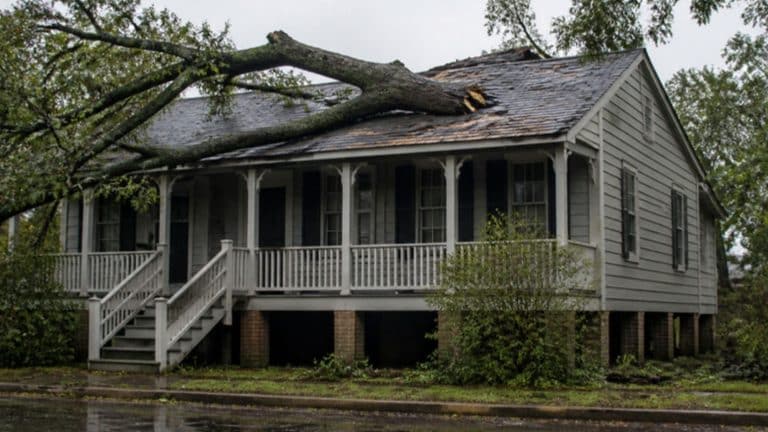
Book an inspection after any hurricane, tropical storm or hailstorm, even when nothing looks wrong from the ground. Storm damage often isn’t visible from the yard: wind can break shingle seals without tearing shingles off, and hail can knock off granules without leaving a hole, so the leak only appears weeks later.
Until a roofer can get there, look for these signs from the ground and the attic:
- Missing or lifted shingles, or debris sitting on the roof
- Granules collecting at the bottom of downspouts
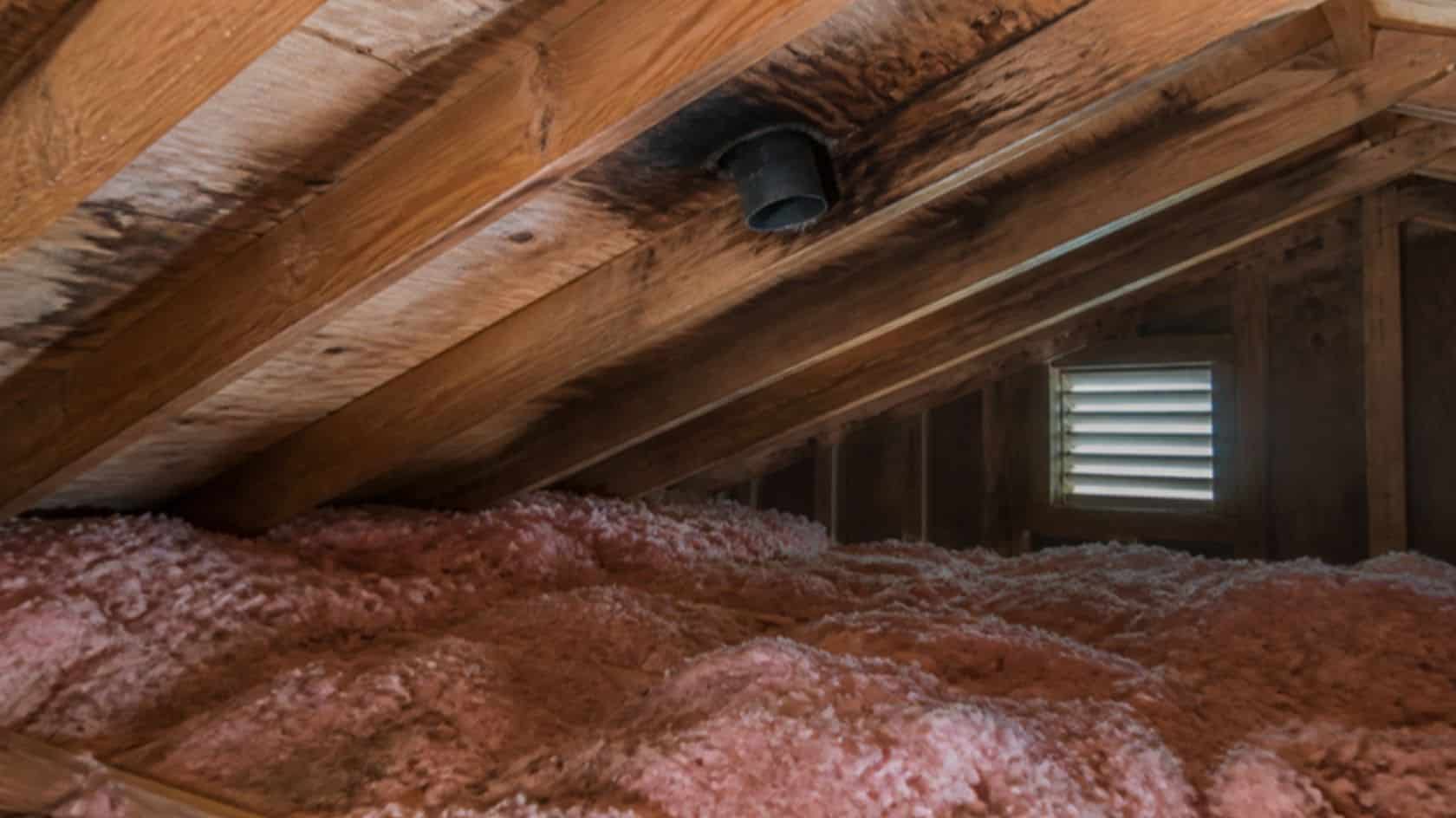
- Fresh stains, drips or damp insulation in the attic
- Dented vents or metal, which point to hail
Stay off the roof while you look. Damaged shingles and cracked tiles can break underfoot, and a wet roof is slippery.
If an inspection finds hail damage, our hail damage roof repair service fixes bruised shingles, dented metal and cracked tiles.
Inspect More Often as Your Roof Gets Older
An older roof needs more frequent checks because small problems start to stack up. Asphalt shingles typically last 15 to 30 years, metal 40 to 70 years, and tile can pass 50 years with maintenance, so a roof in the later part of its range is worth inspecting in both spring and fall instead of once a year.
Age shows in specific places. Granule loss leaves bald spots that age faster in sun and heat, and rubber pipe boots and caulked joints crack in the same sun.
Older homes add a layer of risk. Many houses here carry roofs that have been repaired in layers over the decades, and an inspection looks past the surface for a second layer of shingles over the first, flashing buried under tar or soft decking under a newer patch.
Slate and tile roofs on older houses get a closer look at broken or slipped pieces and the underlayment beneath them. Our post on roof problems in historic New Orleans homes explains why these roofs need extra attention.
If inspections keep turning up the same problems, our guide to the signs you need a roof replacement can help you decide whether patching still makes sense.
What a Professional Roof Inspection Covers
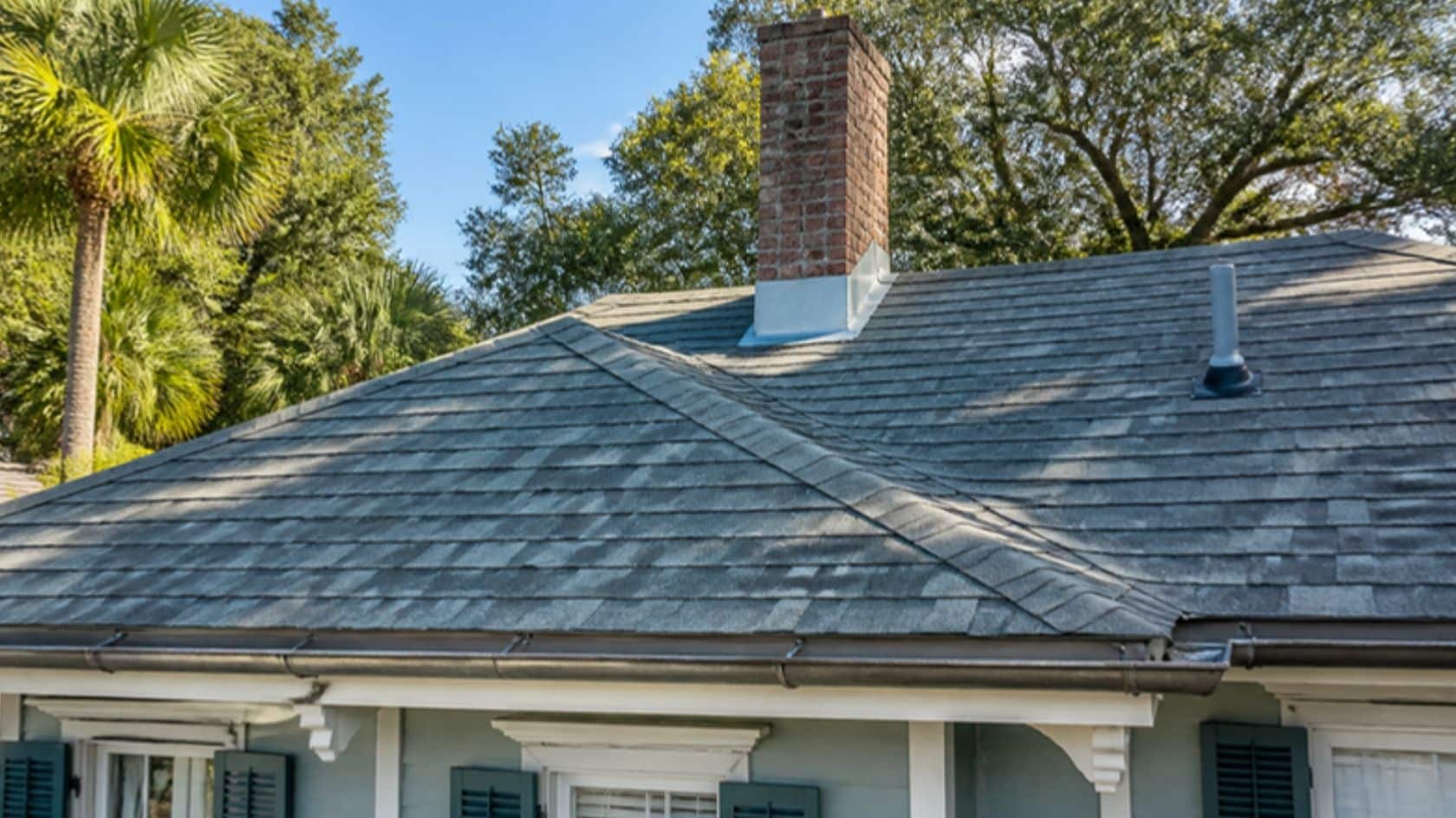
A professional roof inspection looks at the roof as a system, because a problem in one part often shows up as damage in another. The roofer checks the roof surface, the flashing and seals around chimneys, vents and skylights, the gutters and downspouts, and the attic for stains, damp insulation, mold and blocked vents.
These are the problems an inspection most often finds on New Orleans homes:
- Wind-lifted shingles with broken seals, which let wind-driven rain in during the next storm
- Worn flashing with rust, gaps or cracked sealant at chimneys and walls
- Poor ventilation, leaving a hot, damp attic that shortens the roof’s life
- Soft or rotted decking that can’t hold fasteners or support weight
- Clogged gutters that back water up under the roof edge
Hard-to-reach areas may be checked with a drone. Our post on drone and thermal roof inspections in New Orleans covers how those tools find problems the eye can miss.
After the visit, you’ll know what condition your roof is in, what needs attention now and what can wait. Repairs start only if you approve them.
What You Can Check Yourself Between Inspections
You can catch many problems between professional visits without climbing onto the roof. A look from the ground after storms, a check of the attic for stains and a glance at the downspouts for shingle granules take a few minutes, and they tell you when to call before the yearly inspection comes around.
These jobs are safe for a homeowner:
- Look over the roof from the ground after major storms.
- Check ceilings and the attic for stains, drips, damp insulation or musty smells.
- Keep gutters clear, or have them cleaned before storm season.
- Trim branches that hang over or rub against the roof.
Leave anything on the roof surface itself to a professional, including resealing shingles, replacing pipe boots and clearing moss without stripping granules.
Regular roof maintenance in New Orleans pairs well with inspections, since the crew can fix small problems like a cracked pipe boot during the same visit.
How Often Commercial and Flat Roofs Should Be Inspected
A commercial flat or low-slope roof should be inspected twice a year, in spring and fall, plus after any storm. Flat roofs suffer more from heat, ponding water and debris than pitched roofs, because water and leaves stay put instead of running off, and problems are hard to spot from the parking lot.
The spring visit gets the roof ready for hurricane season, and the fall visit checks what the season left behind. Watch for these signs between visits:
- New ceiling stains, drips or bubbling paint on the top floor
- Water still standing on the roof after the rain has stopped
- Debris or loose metal on the roof after a storm
Our commercial roof inspection checks the membrane, seams, flashing, drains and equipment curbs, then explains the roof’s condition in plain terms.
Our post on commercial roof maintenance in New Orleans covers upkeep between those visits.
Inspections When You Buy or Sell a Home
Schedule a roof inspection before closing whenever you buy or sell a house in New Orleans. It tells both sides what condition the roof is in, so a problem doesn’t surprise anyone late in the process, and it gives the buyer a sense of what roof work to budget for in the first years of ownership.
The same applies before a big decision about the roof itself. An inspection before you choose between a repair and a full replacement shows whether the damage is isolated or part of a pattern.
We’re a licensed local roofing company (Residential License # 890459), and our office is open Monday to Friday from 8:00 AM to 6:00 PM. Call (504) 608-3921 to book your next roof inspection.
Frequently Asked Questions
How often should I get my roof inspected?
What is the best time of year for a roof inspection in New Orleans?
Should I get an inspection after a hurricane if I don’t see damage?
How often should a commercial roof be inspected?
What does a roof inspection cover?
Can I inspect my roof myself?
Written by: TurnKey Roofing Contractor
Last updated: November 24, 2026