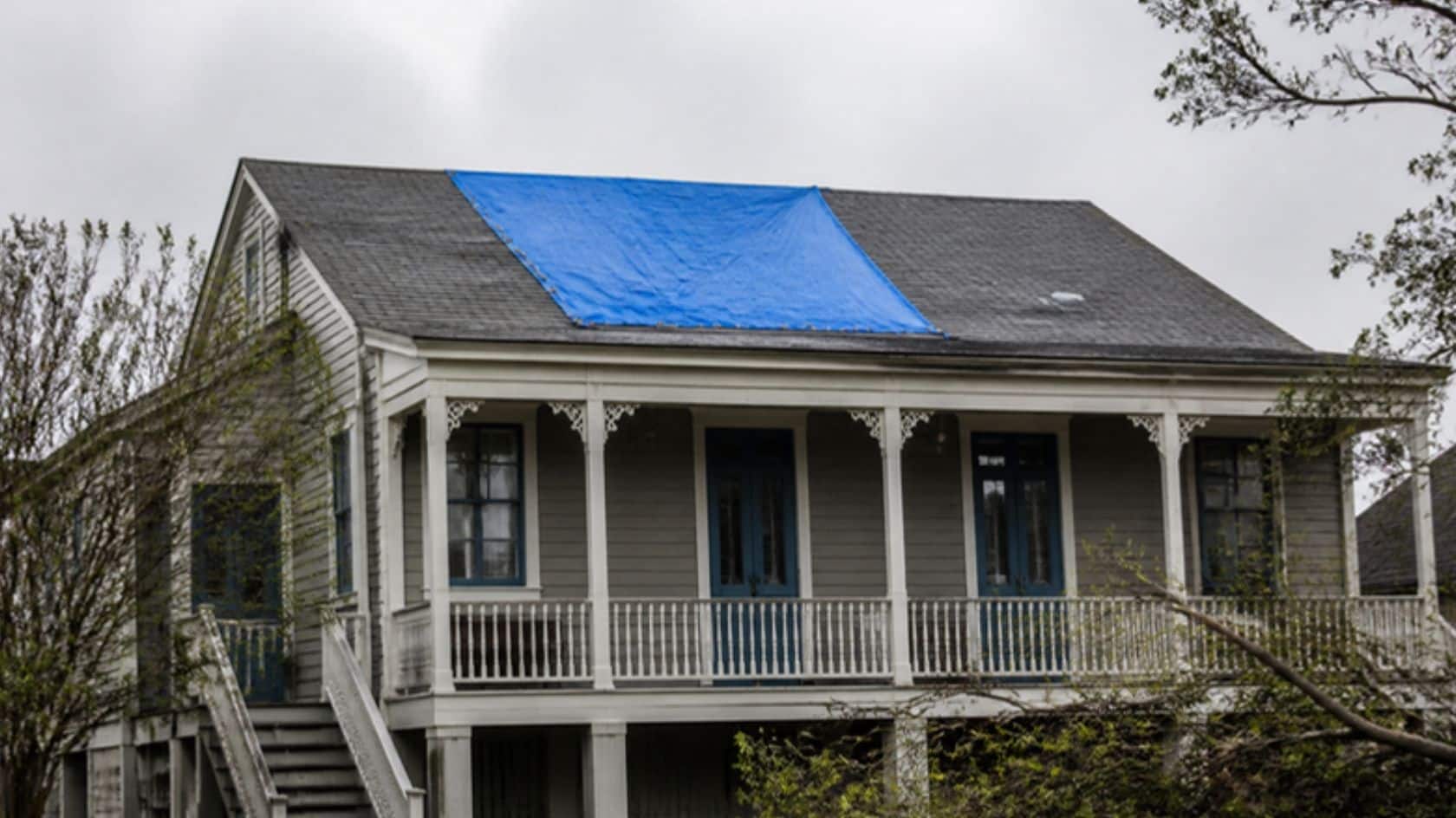
You can tarp your roof yourself, but we don’t recommend it. A wet or storm-damaged roof is slippery and may not hold your weight, and the moment you need a tarp is usually the moment the weather is at its worst.
The safer plan is to protect the inside of the house, look over the damage from the ground, and call an emergency roofer to cover the opening. Tarping is a stopgap that keeps rain out until a permanent repair is made.
A storm that tears off shingles leaves you with two worries at once: water coming in now, and how long it will take to get help. Climbing up with a tarp can feel like the fastest fix, which is exactly why it’s worth slowing down for a minute.
At TurnKey Roofing Contractor, emergency tarping is part of how we respond to storm damage on New Orleans homes, and we answer emergency calls around the clock.
If water is already getting in, reach our New Orleans office for help with anything that can wait until business hours.
For an active leak at any hour, call (504) 608-3921 and tell us what you’re seeing.
Key Takeaways
- A wet or storm-damaged roof is slippery and may not hold your weight, so stay off it.
- Protect the inside first: buckets under drips, belongings moved, and nobody under a bulging ceiling.
- A professional tarp starts with finding where the water gets in and how far the damage goes.
- Tarping is temporary and protects the house until a permanent repair can be made.
- After a federally declared disaster, Operation Blue Roof may offer free temporary roof covering to eligible homeowners.
Why Tarping a Roof Yourself Is Riskier Than It Looks
Tarping a roof yourself is risky because the job puts you on a surface built to shed water, at a height, right after the weather that damaged it. A storm-damaged roof can have soft decking you can’t see, loose shingles that slide underfoot, and debris that shifts. A fall from a roof edge is not a small injury.
Roof safety starts with knowing what you can’t see from the ladder. Water that got in during the storm may have softened the wood under the shingles, so a spot that looks solid can give way. Wet shingles and a slick tarp make footing worse the moment you start working.
Timing adds another risk. Leaks are most urgent while rain is still falling, and storms often bring lightning with the rain. The National Weather Service sums up its lightning advice in four words: “When Thunder Roars, Go Indoors!” A roof is the wrong place to be during a thunderstorm.
A tarp also only helps if it covers the right spot and stays put. When a delay is unavoidable and more rain is coming, a heavy-duty tarp over the damaged area is work best left to trained crews with the right safety equipment.
Our post on securing your home after sudden roof damage makes the same point: if a roofer can arrive soon, wait for them instead of climbing up yourself.
What You Can Do Safely While You Wait
While you wait for a roofer, you can do a lot to limit storm damage without going on the roof. Start inside, where the water lands: buckets under drips, furniture and electronics moved away, towels on the floor. Then look over the outside from the ground and note what you see.
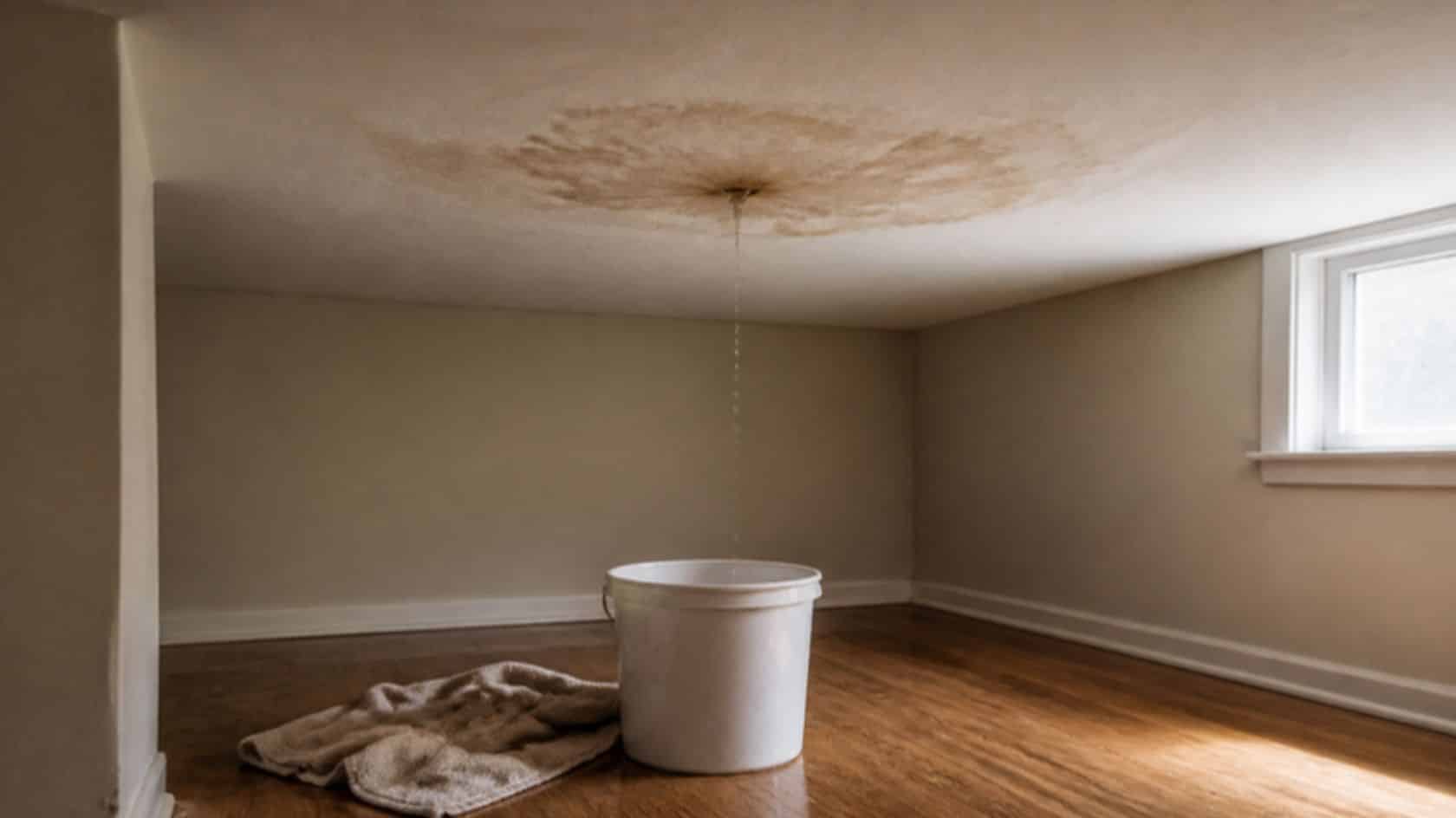
Work through these steps in order:
- Catch the water: set buckets or pans under every drip and empty them before they overflow.
- Move belongings: carry rugs, furniture and anything valuable out of the wet area.
- Watch the ceiling: if a ceiling is bulging with water, move your belongings away from it and stay out from under it until help arrives.
- Check the attic: look for drips, wet insulation and daylight through the roof boards.
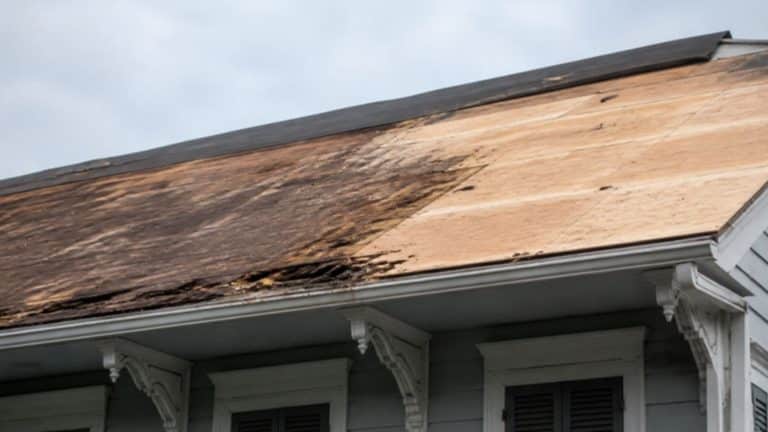
- Look from the ground: note missing or lifted shingles, debris on the roof, sagging sections and exposed decking.
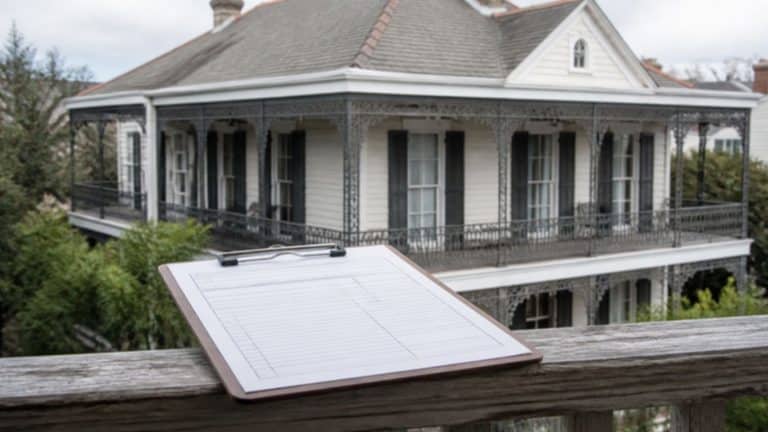
Take photos of what you can see from the ground and from inside the house, including the ceiling stains and wet spots. Those pictures help the roofer understand the damage before they arrive.
When you call, describe where the water is coming in, how fast it’s dripping and what you saw from the yard. That helps us judge how urgent the visit is and what to bring.
What a Professional Emergency Tarp Job Involves
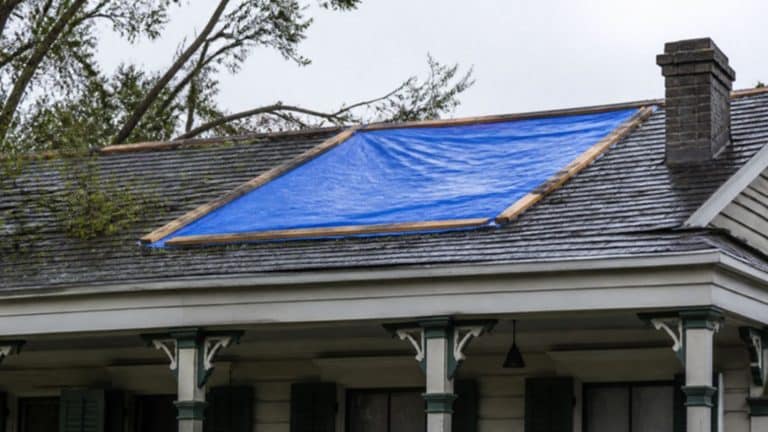
A professional emergency tarp job starts with finding where the water is getting in and how far the damage goes, then covering the exposed area so rain can’t reach the house. That check matters because the stain on your ceiling can sit several feet from the opening in the roof. Covering the wrong spot leaves the real leak open.
On our emergency roof calls, the sequence is the same each time: respond, assess, and protect the roof until the permanent repair is done. Emergency tarping and quick patchwork protect exposed areas from rain, so the house stays dry in the meantime.
Once the roof is covered, we plan and estimate the permanent repair, and you get a free estimate before any permanent work starts. Our emergency roof repair service in New Orleans is built for exactly this kind of call.
The signs that call for an emergency visit are easy to spot from inside or from the yard:
- Water dripping or pouring through a ceiling, light fixture or wall
- Sections of shingles or tiles missing after high wind
- A tree limb or debris sitting on or through the roof
- Exposed decking or underlayment visible from the ground
- A sagging ceiling or a roofline that suddenly dips
How Long a Roof Tarp Is Meant to Last
A roof tarp is meant to last only until the permanent repair is made. It’s a temporary cover that keeps rain off the exposed decking and out of the house, and it doesn’t restore the roof. The sooner the permanent repair follows, the less chance the tarp has to loosen in the next round of wind and rain.
Think of the tarp as buying time. It stops water from reaching the insulation, drywall and framing while the damage is assessed and the repair is scheduled.
Water that gets past the shingles soaks into the plywood decking, and wet decking softens and starts to dip. Getting the opening covered quickly keeps that damage in the roof instead of the rooms below, which is why the tarp comes first and the repair right after.
Once the weather clears, the permanent fix depends on what the roofer found. A few missing shingles or a failed piece of flashing is a repair, and widespread damage may point to replacement. Our post on how prompt roof repair prevents bigger problems explains why that follow-up shouldn’t wait.
When Temporary Roof Covering Is Free: Operation Blue Roof
After some major disasters, temporary roof covering is available free through Operation Blue Roof. The U.S. Army Corps of Engineers manages the program for FEMA, and it provides homeowners in disaster areas with fiber-reinforced sheeting to cover damaged roofs until permanent repairs can be arranged.
The program only runs when a mission has been assigned, which happens at the request of the affected state. The Corps lists two basic conditions: the home must be the primary residence of the person requesting the covering, and no more than 50 percent of the roof framing can be damaged.
There’s no cost to the homeowner. The Corps tells homeowners to contact the FEMA Disaster Fraud Hotline if anyone tries to charge for Operation Blue Roof services.
Outside a declared disaster, or while you wait for the program to open, a licensed roofer is the route to a tarp. Either way, the goal is the same: someone trained and equipped does the work on the roof, and you stay on the ground.
Choosing Who Puts the Tarp On Your Roof
Choose a licensed local roofer you can reach after the job is done. After a big storm, unfamiliar contractors often go door to door offering quick repairs, and a tarp from someone you can’t find later leaves you with no one to call when it loosens or when the permanent repair is due.
Check two things before anyone goes up:
- A license number: ask for it. TurnKey Roofing Contractor holds Residential License # 890459, and we share it before any work begins.
- A local, reachable company: we’re based in New Orleans, our phone is answered around the clock for emergencies, and our office is open Monday to Friday, 8:00 AM to 6:00 PM.
Ask what happens after the tarp goes on, too. A good emergency roofer explains the permanent repair, gives you an estimate and schedules the work, so the tarp stays a short-term fix. Our roof repair service in New Orleans handles the permanent fix, with new shingles matched to your roof.
How to Need a Tarp Less Often
The best way to need a tarp less often is to fix small weaknesses before storm season. A loose shingle or clogged gutter left alone can turn into an emergency when the next storm hits, while the same problem fixed in spring is a quick, scheduled repair. A little preparation keeps most storms from becoming a tarp job.
These steps help before New Orleans roofing faces its next storm:
- Clear gutters and downspouts so heavy rain can drain
- Trim branches that hang over the roof
- Have loose shingles and open flashing fixed before storm season
- Keep our number handy: (504) 608-3921
Routine maintenance catches loose shingles, open seams and clogged gutters early. Leaks tend to start where the roof changes direction or where something passes through it, such as chimneys, plumbing vents, skylights and valleys, and our guide to the most common causes of roof leaks shows what to watch for.
Storm season itself is worth planning around, and our post on what hurricane season does to New Orleans roofs covers what each storm does to the roof.
Frequently Asked Questions
Can I put a tarp on my roof to stop leaks?
How long will a tarped roof last?
Should I go on the roof to check the damage?
What should I do while I wait for a roofer?
Is emergency tarping a permanent fix?
Written by: TurnKey Roofing Contractor
Last updated: November 12, 2026