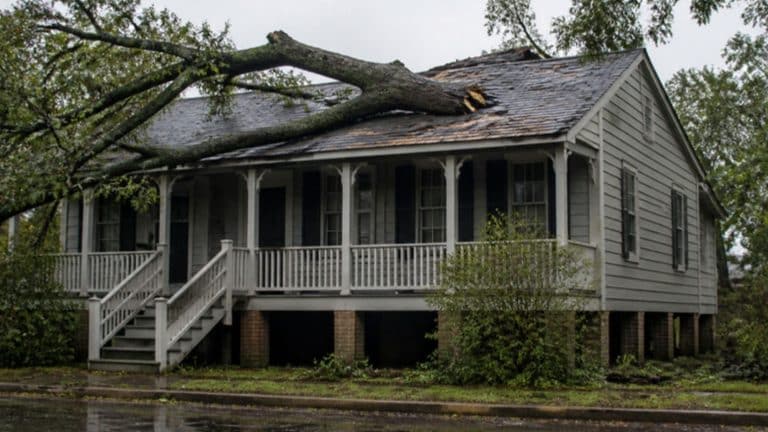
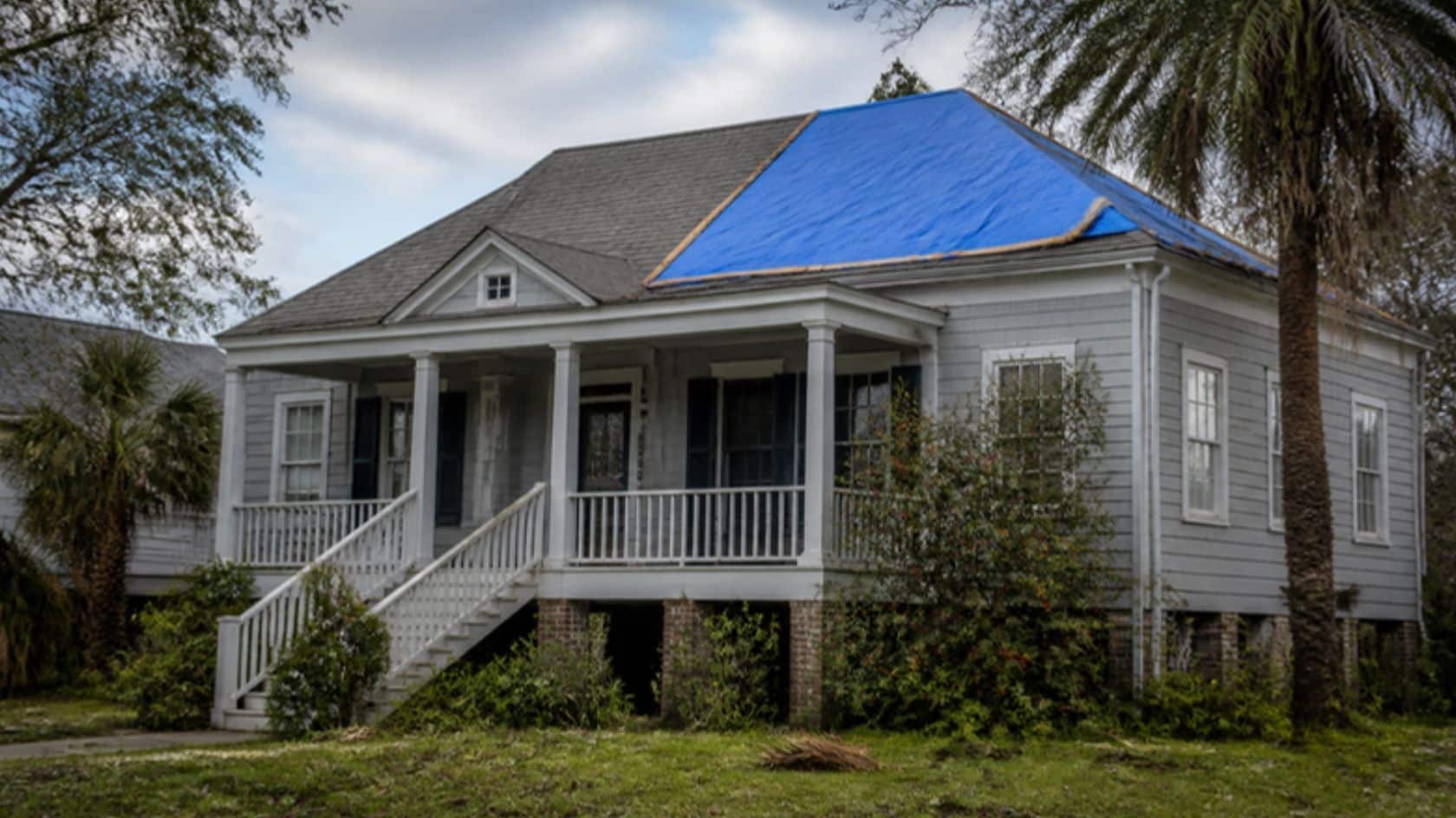
Whether an insurer reimburses emergency tarping depends on your policy, so the person to ask is your insurance agent or insurer. A roofer can’t promise a reimbursement, but a roofer can do the part that shapes the conversation: cover the opening fast, photograph the damage before and after, and give you a receipt for the work.
Keep those photos and that receipt together with your notes on the storm date. For any question about an emergency roof tarp and insurance, clear records are the piece you control.
In New Orleans roofing, a tarp usually goes on in a hurry, often at night or between rain bands, and the paperwork is the last thing on anyone’s mind. That is exactly when details get lost.
At TurnKey Roofing Contractor, we answer emergency calls around the clock, cover exposed areas and plan the permanent repair once the roof is secured.
For damage that can wait until business hours, request a free estimate online and we’ll get back to you during office hours.
If water is coming in now, call (504) 608-3921 at any hour.
Key Takeaways
- Reimbursement for emergency tarping depends on your policy. Ask your agent or insurer.
- Photograph the damage from several angles, inside and out, before anything is cleaned up or covered.
- Keep the receipt for the emergency covering, plus notes on the date, time and what happened.
- A tarp is temporary protection until the permanent repair, not a repair in itself.
- After a declared disaster, Operation Blue Roof may offer free tarps through the U.S. Army Corps of Engineers.
What an Emergency Roof Tarp Does
An emergency roof tarp covers an exposed part of the roof so rain stops reaching the decking, insulation and ceilings below. It buys time until the permanent repair. In New Orleans, where storm damage often arrives with more rain behind it, getting the opening covered quickly keeps the damage in the roof instead of the rooms underneath.
Every hour that water gets in adds to the repair: wet insulation, stained drywall and soaked decking. That is why our emergency roof repair in New Orleans starts with stopping the water, then moves to planning the permanent fix.
The Asphalt Roofing Manufacturers Association (ARMA) makes the same point in its repair guidance. It says the first step after damage is to limit water entry before attempting repairs, and that a tarp on the damaged roof area can help prevent further water from getting in.
A tarp is not the repair. ARMA notes that a roofer may need to make temporary repairs to stop water while the proper materials are sourced for a permanent one. On our jobs, we plan and estimate the permanent repair after the roof is secured.
A tarp also isn’t the only temporary measure. For a small active leak, quick patchwork can stop the drip until the full repair is scheduled. Which one fits depends on how big the opening is and what the roof is made of.
What a Roofer Documents Before and After Tarping
Before and after tarping, a roofer can document where the water was getting in, how far the damage goes, and what was covered. Photos taken before the tarp goes on show the opening, and photos after show the covering in place. With the date and a written description of the work, those images tell the story of the storm damage.
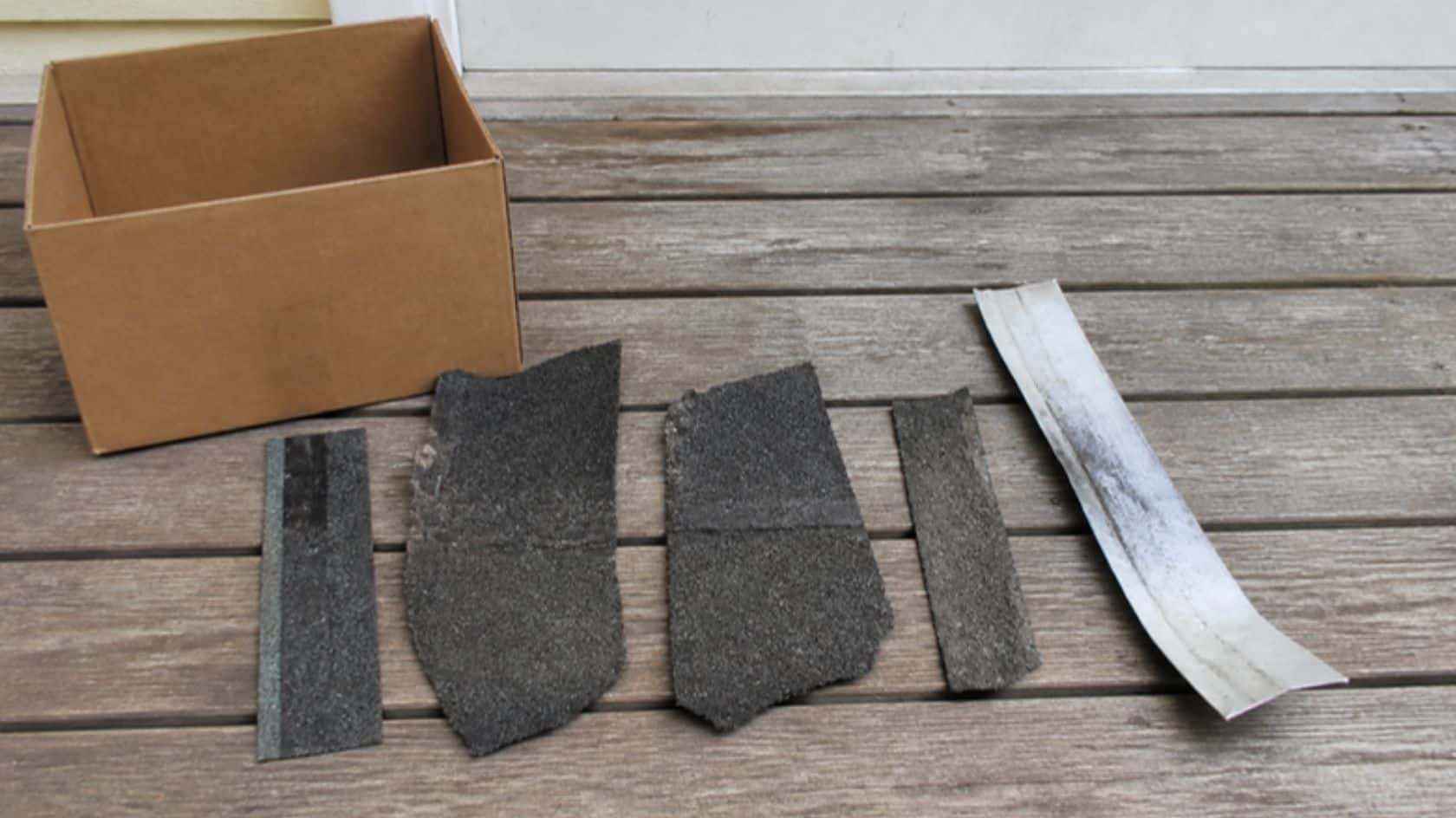
When we arrive on an emergency call, a roofer first finds where the water is getting in and how far the damage goes. That check tells us what needs covering now and what the permanent repair will involve, so it’s the natural moment to capture the damage on camera.
A useful set of records from a tarping visit includes:
- Wide photos of each side of the house showing the damaged area
- Close-ups of missing shingles, exposed decking or debris on the roof
- Photos of the tarp once it is fastened in place
- Interior photos of ceiling stains, drips and wet insulation
- A note of the date, time and what the crew covered
Ask the roofer to share the photos with you. If the opening was large or the decking was soft underneath, that detail matters later when the permanent repair is planned and priced.
Some damage isn’t visible until the next rain. A follow-up roof inspection in New Orleans covers the shingles, flashing, decking and attic, and ends with a detailed report of findings, photographs and repair recommendations.
Emergency Roof Tarp and Insurance Records to Keep
Keep four kinds of records for your insurer: photos of the damage before cleanup, notes on the date and time of the storm, the receipt for the emergency covering, and any pieces of roofing that came off. Store them in one folder or one phone album, so nothing goes missing when the adjuster asks for it.
These steps follow the order we recommend on every emergency call:
| Step | What to do |
|---|---|
| Document | Photograph the damage from several angles before cleanup, inside and out |
| Write it down | Note the date, time and what happened |
| Protect | Have exposed areas covered to prevent more damage, and keep the receipts |
| Report | Contact your insurer promptly and ask what your policy covers |
Hold on to debris as well. Damaged shingles, flashing pieces and broken materials can help document the scope of the loss for an adjuster, so set them aside somewhere dry instead of throwing them out.
Our post on securing your home after sudden roof damage covers the first hours after a storm in more detail, including how to protect floors and belongings from active drips.
Questions to Ask Your Agent About Tarping
Ask your agent or insurer how your policy treats emergency protection like tarping, what proof they want, and whether there are steps to take before or after the tarp goes on. Policies differ, so the answers for your neighbor’s house may not apply to yours. Write down who you spoke to and when.
These questions keep the call short and specific:
- Does my policy address emergency measures taken to prevent more damage?
- What records do you want for a tarping job: photos, a receipt, a written description?
- Should I wait for an adjuster before the permanent repair, or only before cleanup?
- Is there a deadline for reporting the damage or sending documents?
- Who should I contact if the adjuster and my roofer see the damage differently?
Our guide to the roof insurance claim process in Louisiana walks through what happens after you report damage, step by step.
For a plain-language look at common policy terms, read our post on what homeowners insurance covers for roof damage, then confirm the details for your policy with your agent.
Operation Blue Roof: The Free Federal Tarp Program
Operation Blue Roof is a free program run by the U.S. Army Corps of Engineers for FEMA that covers damaged roofs with fiber-reinforced sheeting after a disaster. It runs only when FEMA assigns a mission at the request of the affected state, so it isn’t available after every storm.
The U.S. Army Corps of Engineers Blue Roof page lists who qualifies once a mission is running:
- The home must be the primary residence of the person requesting the covering
- No more than 50 percent of the roof framing can be damaged
- The resident must own the home, or rent it with legal permission to keep living there
- The resident must shelter in the home being covered
- The roof must be shingles or a similar material that lets crews nail the tarp in place
Some roofs don’t qualify. The Corps says contractors can’t cover slate, asbestos or clay tile, and they judge metal roofs and mobile homes case by case. Many older New Orleans homes carry slate or tile, so those owners will need a roofer for temporary protection.
The program has no cost. The Corps directs anyone who is asked to pay for Blue Roof services to the FEMA Disaster Fraud Hotline at 1-866-720-5721.
Why You Shouldn’t Tarp the Roof Yourself
You shouldn’t tarp the roof yourself because a wet, storm-damaged roof is slippery and may not hold your weight. Damaged decking can give way underfoot, and wind can catch a loose tarp like a sail. A tarp that isn’t fastened and lapped correctly can also funnel water into the house instead of keeping it out.
ARMA’s guidance warns that walking, climbing or working on a roof is dangerous, and recommends that only trained professionals do it. Our crews carry the safety equipment for sloped and wet roofs, which most homeowners don’t have.
Check what you can from the ground and the attic instead. Look for missing shingles, debris on the roof, exposed decking and sagging sections from the yard. Inside, look for drips, stains and daylight through the roof boards.
If a ceiling is bulging with water, move your belongings away from it and stay out from under it until help arrives. Catch drips with buckets and lay plastic sheeting under active leaks to protect floors.
Watch out for strangers offering a quick tarp, because unfamiliar contractors often go door to door after a big storm. Ask for a license number before anyone climbs your roof. We hold Residential License # 890459 and share it before any work begins.
From the Tarp to the Permanent Repair
Once the tarp is on, the next step is planning the permanent repair. A roofer inspects the damage in daylight and dry weather, explains what needs replacing, and gives you an estimate. With storm damage, waiting too long risks water finding its way past the tarp edges during the next round of rain.
We make permanent repairs with quality materials matched to your existing roof, and you get a free estimate before any permanent work starts. Our roof repair service in New Orleans handles leaks, flashing and storm-damaged shingles.
If the damage is too widespread to repair, we’ll walk you through roof replacement, backed by our 24 Hour Roof Replacement Guarantee. Either way, the photos from the tarping visit help show what the roof looked like right after the storm.
Storm season is the hardest stretch of the year on a roof here. Our post on how hurricane season affects roofs in New Orleans explains what wind and rain do to a roof and why loose shingles turn into emergencies.
Our office is open Monday to Friday from 8:00 AM to 6:00 PM, and estimates are free.
Frequently Asked Questions
Will my insurance reimburse emergency roof tarping?
What should I photograph before a tarp goes on?
Is an emergency roof tarp a permanent fix?
What is Operation Blue Roof?
Can I put a tarp on my roof myself?
Written by: TurnKey Roofing Contractor
Last updated: November 13, 2026