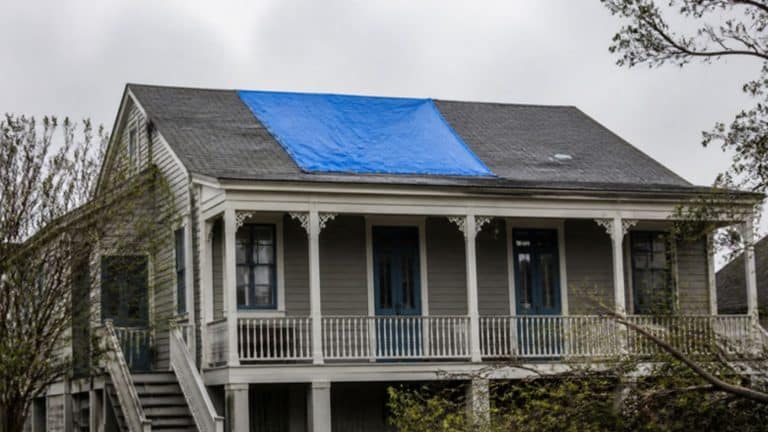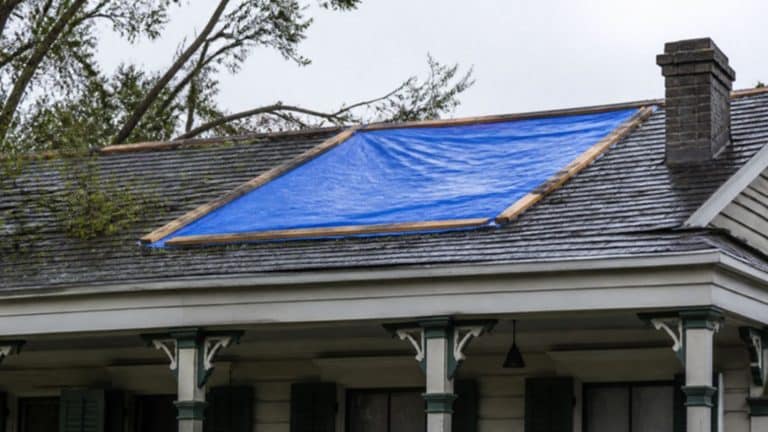
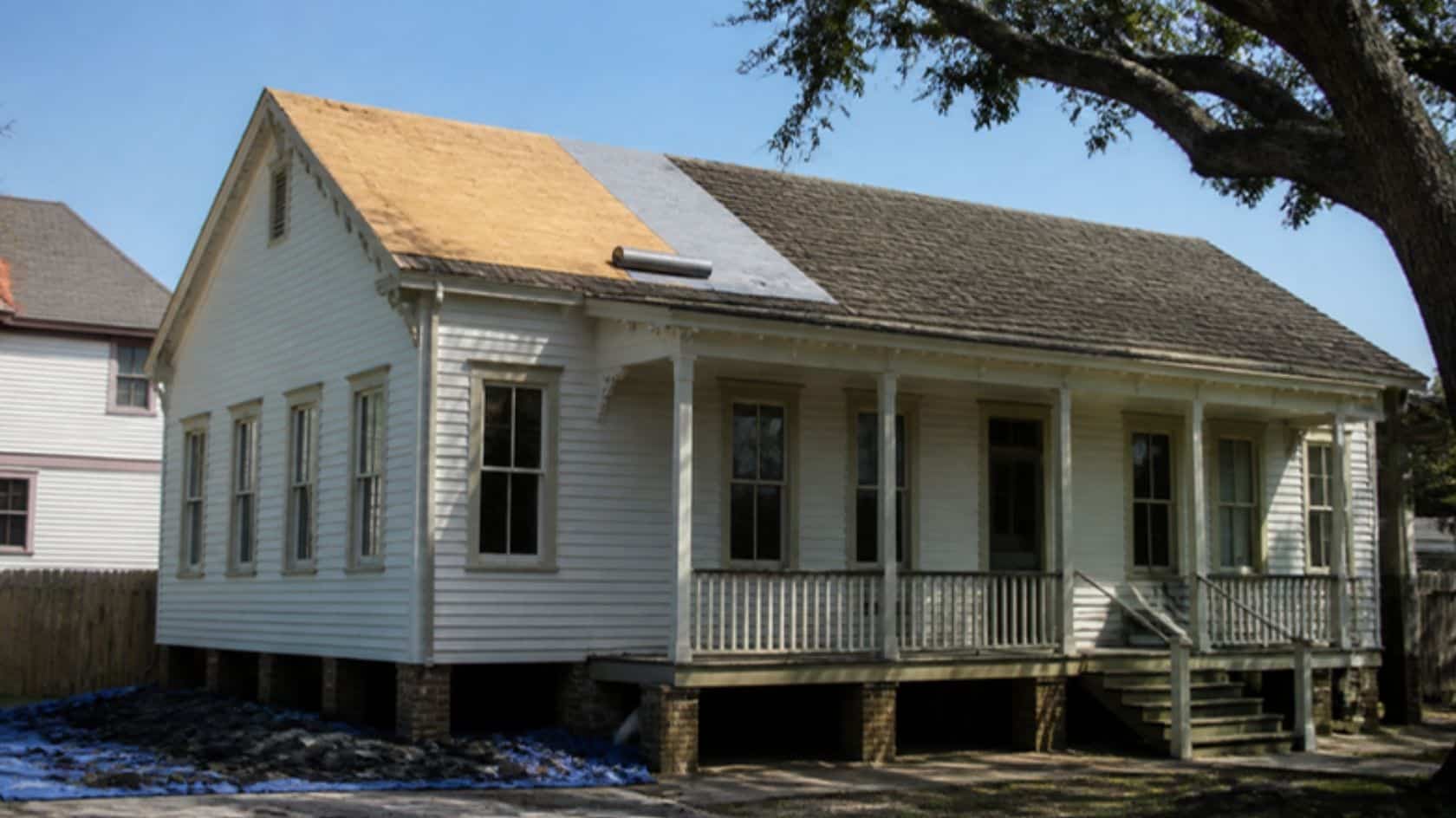
How long it takes to replace a roof depends mostly on the material. Most asphalt shingle replacements on a single-family home take one to three days of work on the roof itself. Metal can run up to five days, and slate or wood shake roofs can take a week or more.
In New Orleans, the full timeline also includes the city’s re-roofing permit, which the Department of Safety and Permits lists at 2 to 4 days to issue, plus any days lost to rain. From signed estimate to finished roof, plan on a short wait for the permit and a few days of noise.
Homeowners usually ask about roof replacement time for practical reasons: when to take time off, where to park, and whether the house will be open to the weather overnight. The short answer is that the work on the roof goes quickly, while the planning around it decides your actual dates.
At TurnKey Roofing Contractor, you get a timeline with your free estimate, so you know what each day looks like before the crew arrives.
If you already have a date in mind, contact our New Orleans office and we’ll tell you what’s realistic for your roof.
You can also call (504) 608-3921 during office hours, Monday to Friday from 8:00 AM to 6:00 PM.
Key Takeaways
- A typical asphalt shingle replacement takes one to three days on the roof, according to HomeGuide’s national cost guide.
- Roof size is the biggest factor, followed by pitch, chimneys and skylights, old layers, material and crew size.
- New Orleans requires a re-roofing permit when the work covers 50 percent or more of the roof, and the city lists 2 to 4 days to issue it.
- Homes in HDLC or Vieux Carré Commission districts can need extra review time before the permit is issued.
- Rain pauses roofing work, so a forecast can move your start date by a day or two.
How Long It Takes to Replace a Roof
Replacing a roof on a typical New Orleans house takes one to three days of crew time for asphalt shingles. HomeGuide’s national cost guide puts the full range at 1 to 8 days, depending on material, roof size, pitch and complexity. Roofing manufacturer IKO says many single-family roofs finish in a day or two from start to finish.
HomeGuide breaks the range down by material:
| Roofing material | Typical time on the roof |
|---|---|
| Asphalt shingles | 1 to 3 days |
| Metal | 1 to 5 days |
| Wood shakes or slate | 6 to 8 days |
These are national figures, not New Orleans data, so treat them as a starting point. Your estimate should come with a schedule written for your house. We install and repair cedar shake roofs, so ask for that written schedule when you request an estimate.
The days on the roof are only part of the picture. Before work starts there’s the estimate, the material order and the permit, and after the last shingle goes on there’s the final inspection and the city’s sign-off on the permit.
What Happens on Each Day of a Roof Replacement
A shingle roof replacement usually moves through the same stages in the same order, whatever the size of the house. The crew sets up and tears off the old roof first, repairs the decking, lays underlayment and flashing, installs the new roofing, then inspects the work and cleans up. On a smaller roof, several stages fit into one day.
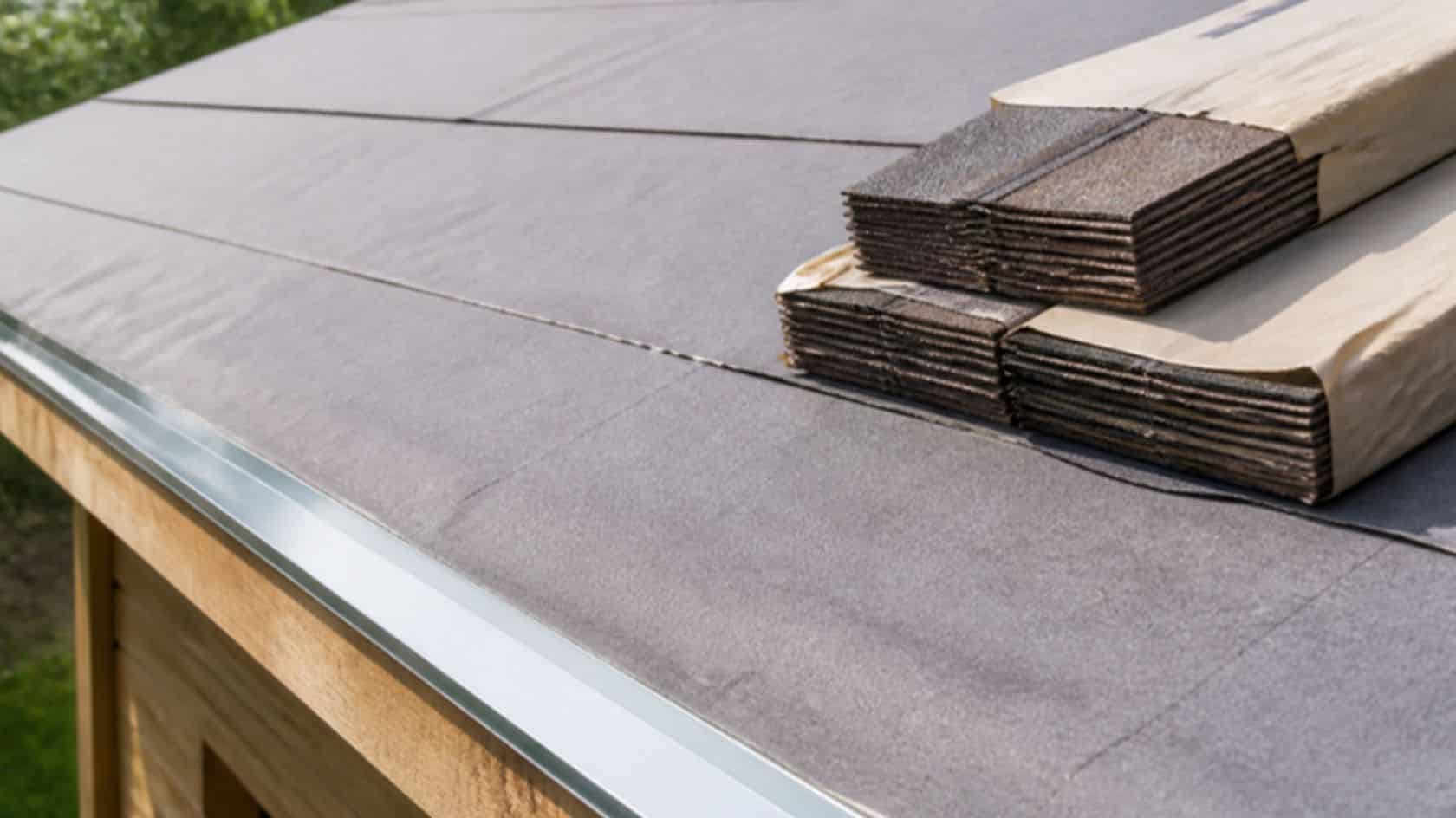
IKO notes that on an average-sized roof, the tear-off alone can wrap up in a single day, and the installation can take one or two days, slightly longer than the tear-off. Here is how those stages usually fall:
- Setup and tear-off. The crew protects landscaping and the ground around the house, then strips the old roof down to the deck.
- Deck repairs. Soft or rotted boards found during tear-off are cut out and replaced so the new roof has a sound base.
- Underlayment, drip edge and flashing. A water-resistant underlayment covers the deck, and new metal flashing goes in at walls, chimneys and valleys.
- New roofing. Shingles or metal panels go on in the manufacturer’s pattern, finished at the ridges and edges for wind and rain.
- Inspection and cleanup. The finished roof is checked and the work area is cleared of nails and debris.
Our roof replacement service in New Orleans follows that order on every job, starting with a consultation and an inspection of the roof, decking and attic.
The deck repair stage is the one that can’t be scheduled precisely in advance, because the full deck can’t be seen until the old roof is off. A few soft boards add little time, while widespread rot can add most of a day.
What Makes a Roof Replacement Take Longer
Roof size is the biggest factor in how long a replacement takes, and IKO calls square footage perhaps the biggest single influence. After size come steep slopes, chimneys, skylights and old layers, which IKO says add complexity, plus the material you choose and how many people are on the crew.
These are the details that stretch a schedule on New Orleans homes:
- Steep or cut-up rooflines. Dormers, valleys and steep pitches slow both tear-off and installation.
- More than one layer. Each old layer has to come off before the deck can be checked.
- Heavy materials. IKO notes that slate and tile often take longer than asphalt because of their weight.
- Hidden deck damage. Rot found during tear-off has to be replaced before anything new goes on.
- Crew size. A larger crew tends to finish faster, according to IKO.
Many older homes here have been patched and re-flashed several times, which can mean extra layers and surprises under the shingles. Our post on roof problems in historic New Orleans homes explains why older houses tend to need more work once the roof is open.
Material choice also affects the calendar. A switch from shingles to metal, or a new roof on an addition, falls under our roof installation work in New Orleans, and the schedule there also depends on the size of the roof, the material and the weather.
How the New Orleans Permit Fits Into the Schedule
A New Orleans roof replacement usually needs a permit before work can start. The city requires a residential re-roofing permit when the work affects 50 percent or more of the roof on a one- or two-family home, and the Department of Safety and Permits lists a duration of 2 to 4 days to issue it.
The City of New Orleans re-roofing permit page lists two documents for the application: a geotagged photo of the outside of the house and an estimate or contract signed by both the homeowner and the contractor. The base fee is $60, with $30 more for homes in historic districts.
Homes in a Historic District Landmarks Commission or Vieux Carré Commission district need extra review before the permit is issued, and the city notes that this may take additional time. If you live in one of those areas, build a cushion into your plans.
The permit also shapes the work itself. The city asks for 16 geotagged inspection photos, four from each side of the house at four stages: removal of the old roof, underlayment, drip edge and flashing, and the new shingles or metal panels.
Those photos are taken as the job moves along, so they don’t add days to the job. Once they’re uploaded and reviewed, the city issues a certificate of completion. Our post on roof replacement permits in New Orleans walks through the 50 percent rule in more detail.
How Weather and Hurricane Season Affect Your Start Date
Weather is the most common reason a roof replacement start date moves. IKO says roofers shouldn’t be on a roof on rainy days, and in places with frequent rain an installation can wait until the weather clears. For New Orleans roofing crews, afternoon storms and tropical weather can push a start date by a day or more.
Waiting out a wet forecast is worth the delay. Once the old roof is off, the deck is exposed until the underlayment goes down, so starting on a clear day protects your attic, insulation and ceilings.
Hurricane season adds another layer of planning. The National Hurricane Center’s Atlantic hurricane season page says the season runs from June 1 to November 30, with most activity between mid-August and mid-October.
A roof that’s already leaking shouldn’t wait for perfect weather, but a planned replacement on a sound roof can be timed for calmer months. Our post on how hurricane season affects New Orleans roofs covers what storm season does to an aging roof.
Demand matters too. After a major storm, many homeowners need roof work at once, so the wait for a start date can grow even when the work itself takes the same few days.
How to Prepare for Replacement Day
A little preparation keeps a roof replacement on schedule and easier on your household. Clear the driveway, take fragile items off upper-floor walls and cover anything stored in the attic, since tear-off is loud and vibration travels through the house. Plan a quiet place for pets and small children while the crew works.
Use this short checklist the week before work starts:
- Move cars out of the driveway and away from the house
- Take down pictures and shelves on upper-floor walls
- Cover belongings stored in the attic, since dust and debris can fall during tear-off
- Plan a quiet spot for pets and small children
- Let neighbors know when work will start
You can stay in your home during a roof replacement, but expect noise and some vibration throughout the day. Anyone working from home or caring for a newborn may want to plan a day out during tear-off.
Our guide on preparing your family and home for a roof replacement has a fuller checklist, including what to do about pets, valuables and parking.
Why a Fast Roof Replacement Still Needs the Groundwork
A fast roof replacement is only a good one if the groundwork is done properly. Tearing off down to the deck, replacing soft boards, and sealing the flashing at walls and chimneys take time that a rushed job skips. Those steps decide how well the new roof handles heat, heavy rain and wind for years.
Laying new shingles over old ones can save a day, but it hides whatever is wrong with the deck underneath. A full tear-off lets the crew see the wood the new roof will be nailed to, find leak damage around vents and chimneys, and give the new underlayment a flat surface.
That groundwork is why we tear off rather than overlay. Our article on the long-term benefits of a quality roof replacement explains why it matters years after the crew leaves.
When you compare quotes, ask each roofer how many days they expect, what happens if they find rotted decking, and who you call if the schedule changes. With us, one project manager is your point of contact from the estimate to the final cleanup.
We’re a licensed local roofing company (Residential License # 890459), we handle the permits as part of the job, and we answer emergency calls around the clock if a storm hits before your start date. Call (504) 608-3921 to get a free estimate and a timeline for your roof.
Frequently Asked Questions
Can a roof replacement be done in one day?
Can I stay in my house while the roof is being replaced?
How long does it take to get a roofing permit in New Orleans?
What happens if it rains during my roof replacement?
Does a metal roof take longer to install than shingles?
Written by: TurnKey Roofing Contractor
Last updated: November 11, 2026