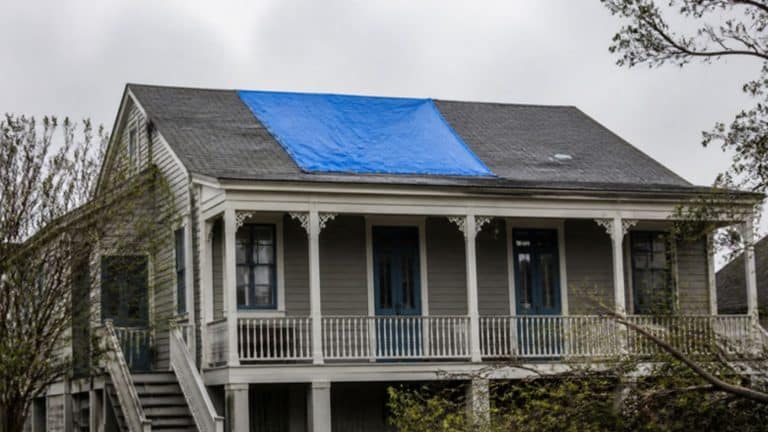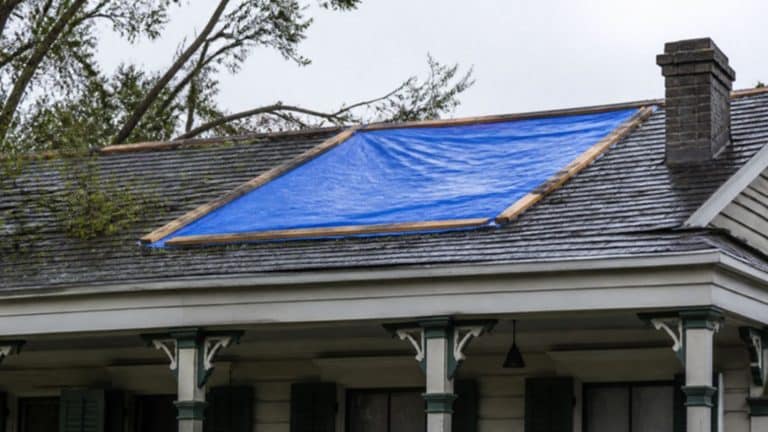
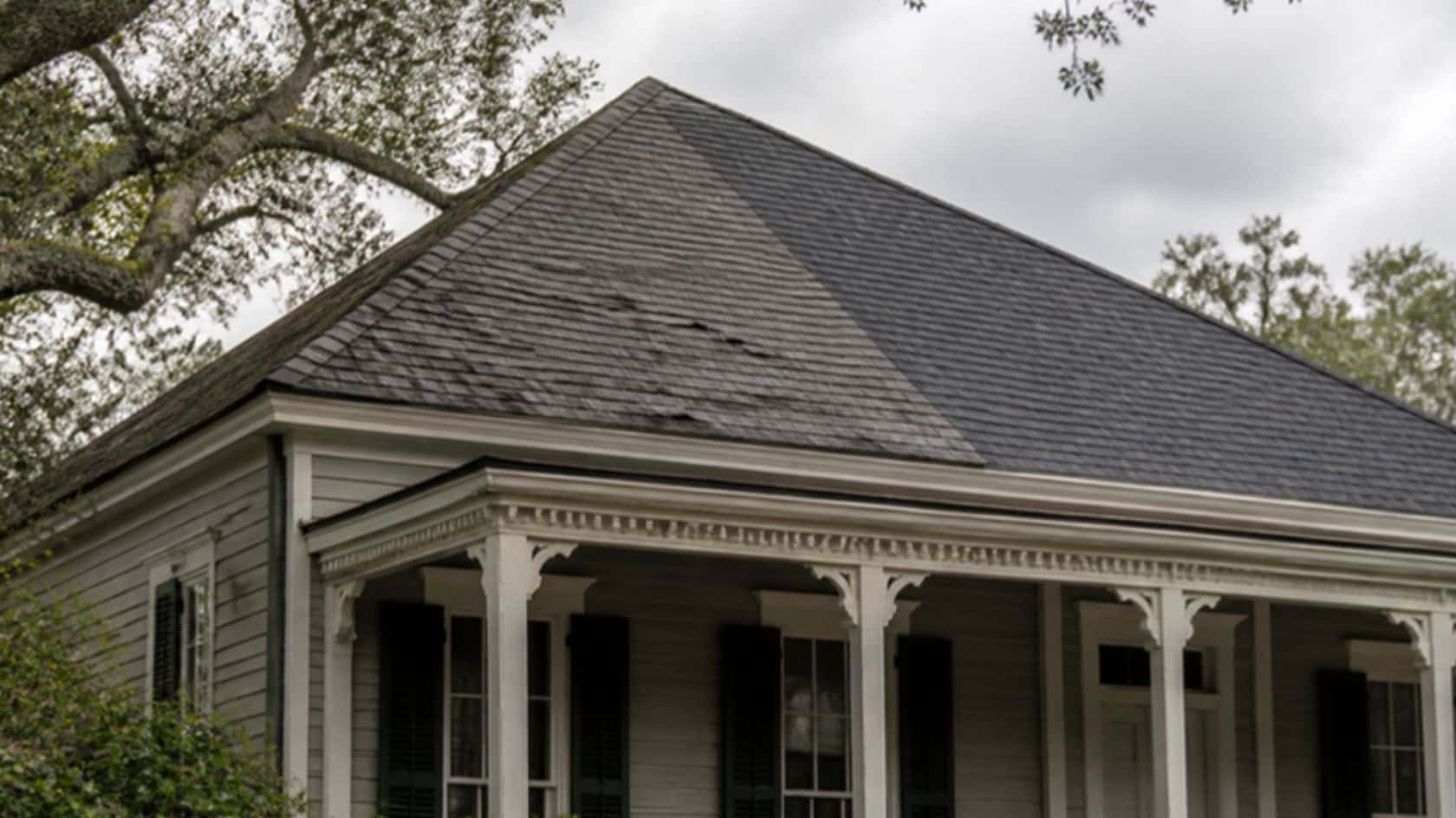
Choose roof repair when the damage sits in one area and the rest of the roof still has years of life left. Choose replacement when leaks keep coming back in different rooms, when shingles are worn across several slopes, or when the decking underneath is soft in more than one place.
In New Orleans, heat and storm season shorten the useful life of asphalt shingles, so the age of your roof carries extra weight in the decision. An inspection that checks the shingles, flashing, decking and attic is the most reliable way to know which side of the line your roof is on.
This question often comes up right after a ceiling stain appears or a few shingles land in the yard. The honest answer depends less on that one problem and more on the condition of everything around it.
At TurnKey Roofing Contractor, we look at the whole roof before recommending either option, and estimates are free.
If you’d rather talk it through now, contact our New Orleans office for a free estimate.
You can also call (504) 608-3921 during office hours.
Key Takeaways
- A repair fits damage that is limited to one section on a roof with plenty of life left.
- Repeated leaks in different places, widespread shingle wear or soft decking in several spots usually point to replacement.
- InterNACHI notes that hot climates drastically reduce asphalt shingle life, which matters for New Orleans roofs.
- The 2021 International Residential Code does not allow a new roof over an old one when the existing roof is water soaked, deteriorated or already has two or more layers.
- Compare options by what each costs per year of service, not by the upfront price alone.
How to Tell Whether Your Roof Needs Repair or Replacement
Your roof needs a repair when the problem has one clear source, such as a lifted shingle, a cracked vent boot or a gap in the flashing, and the rest of the surface is sound. It needs replacement when the same kinds of problems show up across the roof, because fixing one spot leaves the next failure waiting nearby.
The question to ask is whether the damage is isolated or a symptom of a roof that is wearing out everywhere at once. One missing shingle after a windy afternoon is a repair. Curling, cracking and bare patches on three slopes describe a roof near the end of its life.
This is how we weigh the evidence during an inspection on New Orleans homes:
| What the roof shows | Usually a repair | Usually a replacement |
|---|---|---|
| Damaged area | One section or a few spots | Several areas across the roof |
| Leaks | One leak with a clear source | Repeated leaks in different rooms |
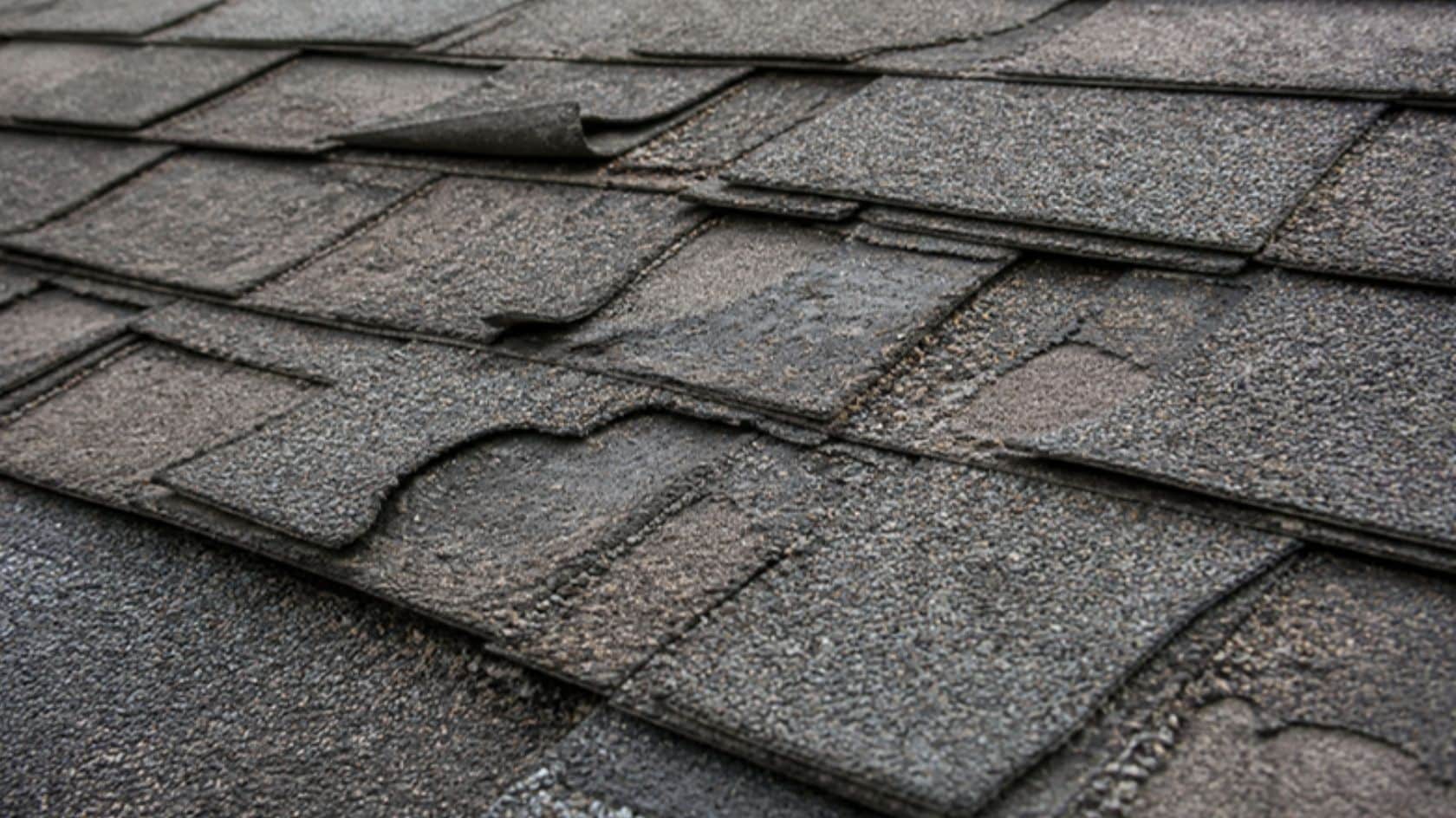
| Shingles | A few missing or cracked | Curling, cracking or bald patches on several slopes |
| Decking | Solid, with one small soft area | Soft or rotted in many places |
| Roof age | Plenty of life left for the material | Close to or past its expected lifespan |
A single row on the right side of that table doesn’t settle it. Several rows together usually mean the roof is wearing out across the board.
Some of the clearest signs are visible from inside the house. Water stains that move to new rooms, daylight through the roof boards in the attic, and damp insulation all tell you water has found more than one way in. Our guide to the key indicators you need a roof replacement covers each sign in more detail.
Why Roof Age Matters More in New Orleans
Roof age matters more here because heat and severe weather can shorten a roof’s working life. InterNACHI, the home inspectors’ association, lists 30 years for architectural asphalt shingles and 20 for 3-tab shingles, then warns that hot climates drastically reduce asphalt shingle life. A New Orleans roof can run out of time sooner.
InterNACHI’s life expectancy chart gives these typical spans for common roofing materials:
- Asphalt shingles, 3-tab: 20 years
- Asphalt shingles, architectural: 30 years
- Metal: 40 to 80 years
- Slate: 60 to 150 years
- Clay or concrete tile: 100 years or more
The same chart says a roof’s life depends on local weather, building design, material quality and maintenance. It adds that roofs in areas with hurricanes or hail may have a shorter lifespan overall, or may take isolated damage that needs repair to protect the surrounding roofing.
That last point is the heart of the decision. A 6-year-old architectural shingle roof that lost a strip of shingles in a storm is a strong repair candidate, because the surrounding roof still has most of its life ahead of it. A 3-tab roof approaching 20 years with the same damage is a different case, since the shingles around the repair are close to wearing out anyway.
If you don’t know your roof’s age, the permit history, the home sale paperwork or the shingle style can narrow it down. A roofer can also judge wear from granule loss, brittleness and how the shingle edges lie.
Material matters too. Many older homes here carry slate or tile, which last far longer than asphalt, and a broken slate on a sound slate roof can usually be swapped out without disturbing the slates around it. Our post on roof problems in historic New Orleans homes explains why problems are more common on older houses.
When a Roof Repair Is the Right Call
A roof repair is the right call when the damage is contained, the decking under it is solid, and the shingles around it still lie flat and hold their granules. In that case a patch or section repair restores the roof to working order, and you keep the remaining years you already paid for in the original installation.
These are the problems that usually end with a repair:
- Wind-lifted or missing shingles in one area after a storm
- Cracked or loose flashing around a chimney, wall or vent
- A failed rubber boot on a plumbing vent
- One leak with a source the roofer can trace and seal
- A small soft spot in the decking that can be cut out and replaced
Leaks tend to start where the roof changes direction or where something passes through it. The stain on your ceiling can sit several feet from the actual opening, so tracing the water back is the first job.
Speed matters with repairs. One lifted shingle lets water reach the wood underneath, and from there it moves into insulation, drywall and framing. Fixing it early keeps a small repair small, which is the point of our post on how roof repair prevents bigger problems.
Shingle matching is the one catch with asphalt roofs. We match new shingles to the existing ones as closely as possible, and if your shingles are discontinued, we explain the closest options before any work starts. Our roof repair service in New Orleans follows three steps: inspect the roof, explain the problem with a free estimate, then make the repair once you approve it.
When Replacing the Roof Makes More Sense
Replacing the roof makes more sense when repairs keep chasing new leaks, when wear shows on several slopes, or when water has already reached the decking in more than one place. At that point each repair buys less time than the one before, and patch money is better spent on a roof that starts its life over.
Watch for these patterns:
- Leaks that return after a repair, or new leaks in different rooms
- Shingles curling, cracking or losing granules across several slopes
- Bald patches where the dark mat shows through the shingles
- Soft spots underfoot, or a roofline that dips between rafters
- Storm damage spread across the roof instead of in one area
Older roofs add another layer of risk. Many homes here have been patched, layered and reflashed more than once, and old fixes can hide problems, such as flashing sealed over instead of replaced or a second layer of shingles laid on top of the first.
A full replacement strips all of that away. Our roof replacement service in New Orleans tears off the old roof, repairs the decking underneath, installs the new roof system and handles the permits. It is backed by our 24 Hour Roof Replacement Guarantee.
A new roof is a big purchase, and it should only happen when the old one can’t be saved. If a repair will buy your current roof several more good years, we’ll tell you that during the estimate.
Is It Cheaper to Repair or Replace a Roof?
A repair usually costs less upfront, but it isn’t automatically the cheaper choice over time. The better comparison is cost per year of service: divide what each option costs by the years of reliable use it buys. A repair on a young roof wins easily, while repeated repairs on a worn roof often lose.
Here is how that math plays out in practice. Say a repair costs a fraction of a new roof and buys three more dry years before the next leak. If the roof is young, those three years may stretch to ten, because the rest of the surface is sound and nothing else is close to failing.
On a roof near the end of its life, the same repair may buy one season. Then a second leak appears on another slope, and a third after the next storm. Add those bills together and you can spend a meaningful share of a new roof’s price while still owning an old roof.
Hidden damage changes the numbers too. Water that sits in decking or insulation for months can turn a simple shingle repair into wood replacement, and a replacement estimate already accounts for the deck repairs a tear-off reveals.
Several things shape any price we quote, which is why we price each job after seeing the roof in person:
- The size of the damaged area and the roofing material
- Damage under the surface, like rotted decking or wet insulation
- Roof pitch, height and access around the house
- For a replacement, the number of old layers to remove
If you’re leaning toward replacement and want realistic numbers, our New Orleans roof replacement cost guide breaks down the ranges by material.
Can You Put a New Roof Over the Old One?
Sometimes, but the building code sets firm limits. Under the 2021 International Residential Code, a new roof covering can’t go over an existing roof that is water soaked or deteriorated, over slate, clay, cement or asbestos-cement tile, or over a roof that already has two or more layers. Layered or patched older roofs can run into those limits.
The Louisiana Uniform Construction Code Commission lists the 2021 International Residential Code as the state’s current edition for homes, with the 2024 code editions scheduled to take effect on January 1, 2027.
The code treats the two jobs differently. A roof replacement, in the code’s words, “shall include the removal of existing layers of roof coverings down to the roof deck.” A roof recover, the overlay many homeowners ask about, is only allowed where none of the conditions above apply.
Even where an overlay is legal, it hides the deck. A full tear-off lets the crew see the wood the new roof will be nailed to, so soft or rotted boards get replaced and rusted flashing comes off instead of being buried. We explain which approach fits your roof during the estimate.
What a Replacement Can Fix That a Repair Cannot
A replacement lets you rebuild parts of the roof that a repair leaves alone. With the old roof off, the crew can renail and repair the deck, improve attic ventilation, replace rotted fascia and upgrade to a stronger roof system. Those upgrades cost less while the roof is open than they would as separate jobs later.
Wind resistance is the clearest example for storm country. FORTIFIED, a voluntary construction and re-roofing program designed to strengthen homes against high winds and hurricanes, publishes a re-roofing checklist that starts with removing all existing roofing material and replacing any damaged wood before the deck is renailed and sealed.
That checklist also requires hot-dip galvanized or stainless steel fasteners on homes within 3,000 feet of saltwater shoreline. None of that work is possible through a repair, because a repair leaves the existing deck and roof covering in place.
Material choice opens up as well. A replacement is the moment to move from asphalt shingles to metal or another material if your budget and framing allow it. Our comparison of asphalt shingles vs. metal roofs covers the tradeoffs for New Orleans homes.
Other upgrades that fit naturally into a replacement include balanced intake and exhaust vents that let summer heat and damp air leave the attic, new gutters sized for heavy rain, and fresh fascia and soffit along the roof edge.
How an Inspection Settles the Question
An inspection settles it because the deciding evidence is usually out of sight: the condition of the decking, the flashing joints and the attic. A roofer who checks the whole system can tell you whether the damage you noticed is a one-off or part of a pattern, and put a price on both options.
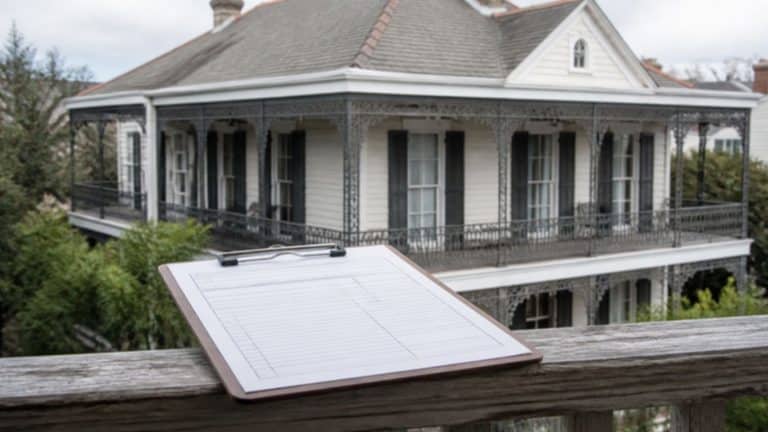
Our roof inspection in New Orleans covers the shingles, flashing, decking and attic, and ends with a detailed report of findings, photographs and repair recommendations. Any repairs it turns up come with a free estimate.
Bring these questions to any inspection, ours or anyone else’s:
- Is the damage limited to one area, or does wear show across the roof?
- How much life does the rest of the roof have left?
- Is the decking solid where you checked it?
- How many layers are on the roof now?
- What would each option cost, and how many years would each one buy?
Stay off the roof while you wait. A wet or damaged roof is slippery and may not hold your weight, so check what you can from the ground and the attic instead.
Timing matters in hurricane season, when wind and rain test every weak spot, so a borderline roof is worth settling before the next storm.
We’re a licensed local roofing company (Residential License # 890459), our office is open Monday to Friday from 8:00 AM to 6:00 PM, and we answer emergency calls around the clock. Call (504) 608-3921 for a free estimate on either option.
Frequently Asked Questions
How do I know if my roof needs repair or replacement?
Can you patch a roof instead of replacing it?
Is it cheaper to repair or replace a roof?
How long does an asphalt shingle roof last in New Orleans?
Can new shingles go over my old roof?
Will repaired shingles match the rest of my roof?
Written by: TurnKey Roofing Contractor
Last updated: October 31, 2026