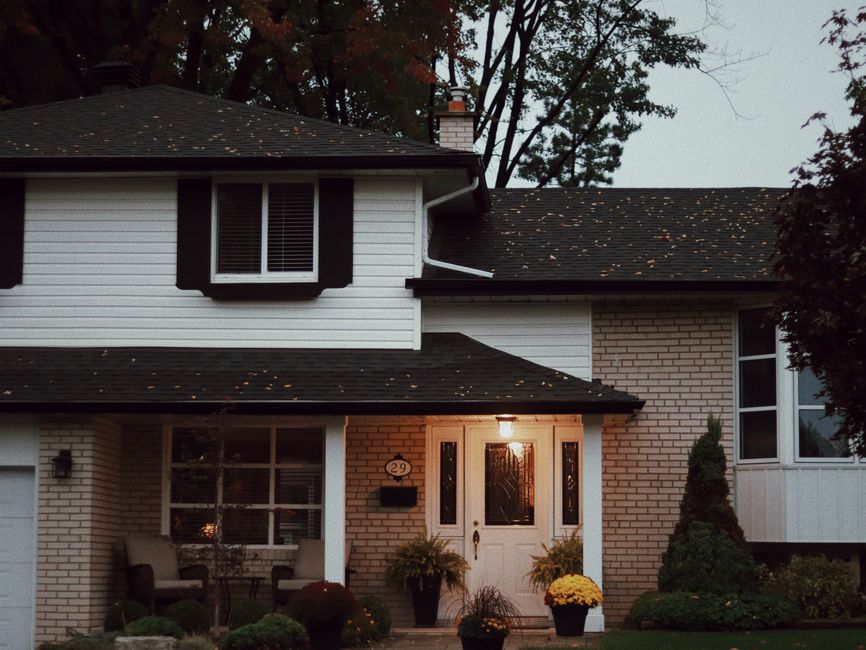
After a storm, homeowners often wonder whether to call a public adjuster or a roofing contractor first. A public adjuster is a licensed claims professional who negotiates your insurance settlement for a contingency fee, typically 10 to 15 percent of the payout, while a roofing contractor inspects the physical damage, documents it, and performs the repair itself.
For most New Orleans homeowners, the roofing contractor’s inspection should come first, since it creates the documentation a public adjuster, or your insurance company, will ultimately rely on.
When Storm Damage Hits Your New Orleans Roof
Wind gusts, hail, and falling debris leave a homeowner standing in the yard wondering who to call first: an insurance professional, or the company that will actually be on the roof with a ladder. Visit turnkeyroofingcontractor.com and you will find a business built around answering that question quickly, with licensed inspectors who document damage the way an insurance carrier expects to see it.
A public adjuster markets themselves as your advocate against the insurance company. A roofing contractor markets themselves as the people who fix the roof.
Both roles matter, but they are not interchangeable, and calling the wrong one first can slow a claim or leave money on the table.
Storm damage right now? Do not wait on paperwork to secure your home.
Call (504) 608-3921 for an emergency roof inspection before you sign anything with an adjuster of any kind.
What a Public Adjuster Actually Does for Your Roof Claim
A public adjuster is a licensed insurance professional who represents you, the policyholder, not the insurance company. In Louisiana, public adjusters must hold an active license issued by the Louisiana Department of Insurance (LDI), searchable on the LDI’s public producer lookup before you sign a contract.
Their job is to interpret your policy, estimate the claim’s value, prepare a claim supplement if the first payout falls short, and negotiate directly with the insurance staff adjuster on your behalf.
What a public adjuster does not do is climb on your roof and replace shingles. They are a claims and negotiation specialist, not a construction crew, and their compensation comes from a contingency fee, almost always 10 to 15 percent of whatever the insurer ultimately pays.
That means their financial interest is tied to the size of the settlement, not the quality or timeline of the repair.
What Your Roofing Contractor Brings to the Table
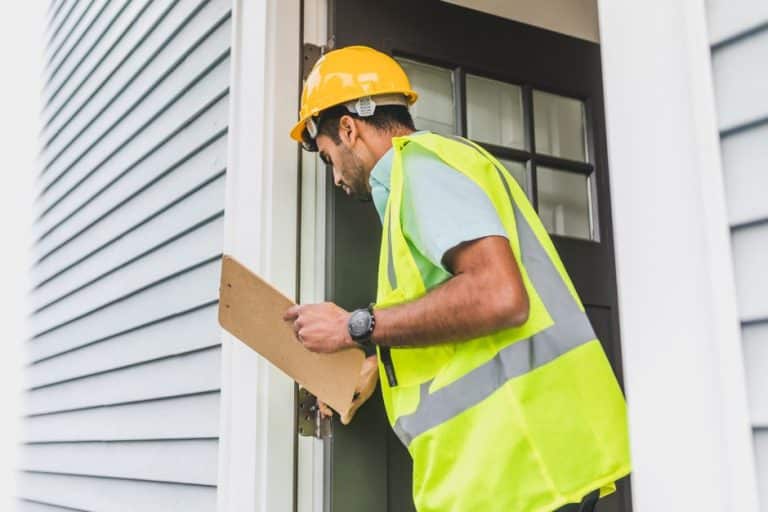
A roofing contractor’s job starts on the roof itself. At TurnKey Roofing Contractor, a Roof Inspection means a trained crew physically walks the deck, checks flashing, examines the attic for hidden leaks, and photographs every sign of wind or hail damage in a format insurance carriers recognize.
That inspection becomes the factual foundation for any claim, whether you handle it yourself, through your insurer’s staff adjuster, or with the help of a public adjuster later.

Unlike a public adjuster, a licensed roofing contractor can also perform the actual repair or replacement. TurnKey holds Residential License #890459 and Commercial License #3667, and backs qualifying replacements with the 25-Hour Roof Replacement Guarantee, meaning the physical work does not sit waiting on a settlement negotiation.
If you want a second opinion or a baseline estimate before deciding whether a public adjuster is even necessary, you can schedule a free inspection with a licensed local crew.
A contractor is not neutral either. They earn money by performing repairs, so their estimate should still be checked against your policy’s actual coverage.
Public Adjuster vs. Roofing Contractor vs. Insurance Adjuster: Side by Side
None of the three parties involved in a storm claim do the same job. The table below lays out the comparison none of the major New Orleans competitor sites publish in full.
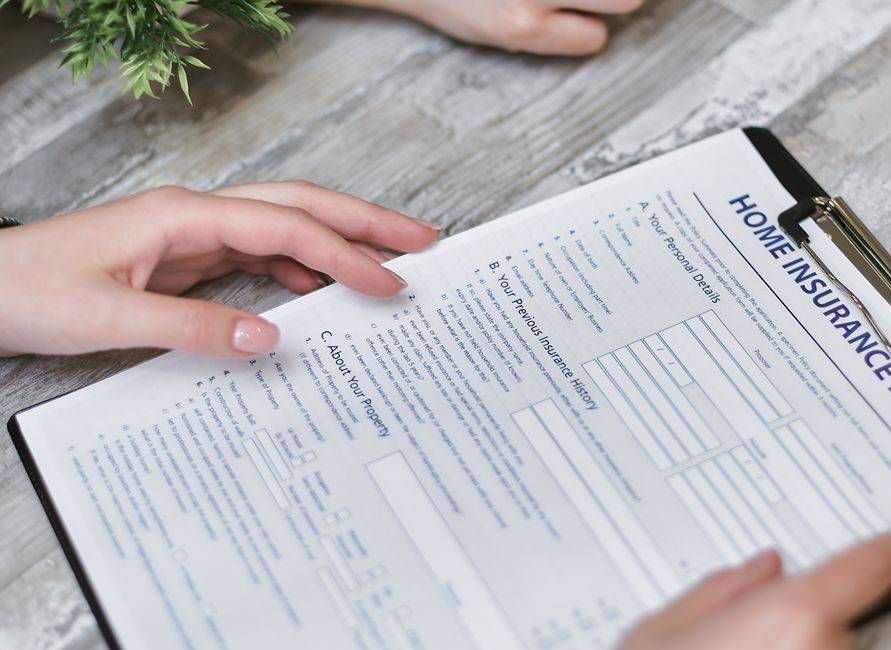
Comparison: Public Adjuster vs. Roofing Contractor vs. Insurance Staff Adjuster
| Role | Who They Represent | Typical Cost | Can They Negotiate the Claim? | Can They Repair the Roof? |
|---|---|---|---|---|
| Public Adjuster | You, the policyholder | 10 to 15 percent contingency fee of the settlement | Yes, this is their primary job | No, they do not perform physical repairs |
| Roofing Contractor | Independent, hired by you to inspect and repair | Free inspection; repair cost billed separately, often covered by the claim | Limited, can supply documentation and estimates but is not a licensed negotiator | Yes, this is their core function |
| Insurance Staff Adjuster | The insurance company that pays the claim | No direct cost, salaried by the insurer | Represents the insurer’s position, not yours | No, they do not perform physical repairs |
Reading the table plainly: only the roofing contractor touches the actual structure, only the public adjuster is contractually obligated to fight for your payout, and the staff adjuster works for the party writing the check. Knowing this upfront prevents homeowners from expecting a contractor to negotiate like an adjuster, or expecting a public adjuster to show up with a crew and tarps.
Who Should You Call First After Storm Damage?
In almost every case, the roofing contractor should inspect first. Louisiana’s hurricane season brings wind and hail events that damage roofs faster than homeowners can evaluate on their own, and our guide on how hurricane season affects roofs in New Orleans explains why early, professional documentation protects the claim regardless of who negotiates it later.
A contractor’s photos and moisture readings, taken within days of the storm, hold more weight than a homeowner’s own phone photos taken weeks later after further weather exposure.
If your roof has active leaks, missing sections, or exposed decking, do not wait on any adjuster before protecting the interior of the home. Our post on securing your home after sudden roof damage walks through tarping, water mitigation, and the immediate steps that limit secondary damage while a claim is still being decided.
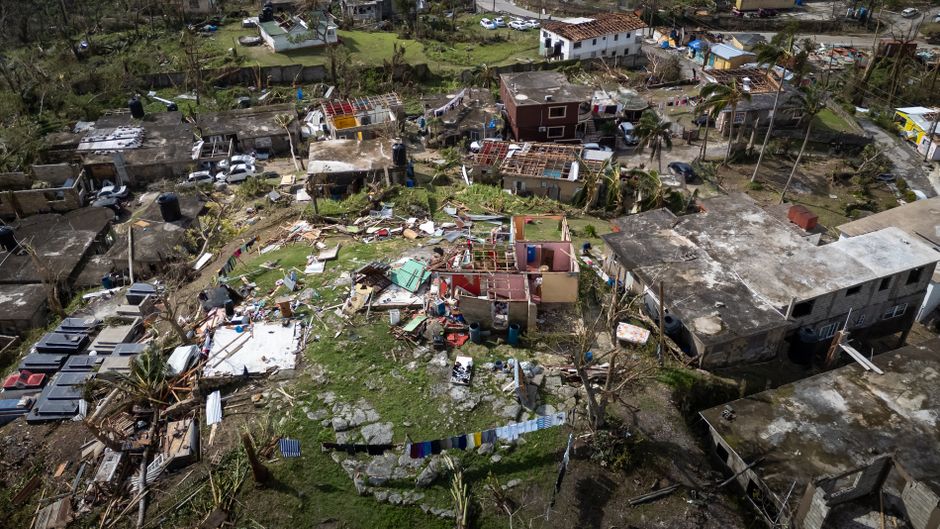
Documenting the Damage the Way Insurers Expect
Wind and hail damage is not always visible from the ground, and a denied or underpaid claim often traces back to weak initial documentation. Beyond a standard walk-the-roof inspection, TurnKey uses drone thermal roof inspections to capture moisture intrusion and structural stress that a naked-eye inspection can miss, particularly on flat or low-slope sections common on New Orleans homes and commercial buildings.
That level of documentation matters whether you involve a public adjuster or negotiate with your carrier directly. A named-storm deductible, an appraisal clause buried in your policy, or a supplement request for damage found mid-repair all move faster when the inspection report is thorough and dated close to the storm.
The Real Cost Math: Contingency Fees and Claim Value
The 10 to 15 percent contingency fee is the detail most homeowners underestimate. On a $20,000 roof claim, a public adjuster’s fee runs $2,000 to $3,000, paid out of your settlement, not on top of it.
That fee only makes sense when the adjuster meaningfully increases the payout beyond what a well-documented contractor estimate would have achieved on its own.
This is where a solid initial roofing contractor inspection pays for itself before a public adjuster ever enters the picture. Our article on key indicators you need roof replacement outlines the damage thresholds that typically justify a full replacement claim versus a smaller repair, information that directly affects whether a contingency fee is worth paying at all.
Verify Before You Sign, Either Professional
Before signing a contract with a public adjuster, confirm their license is active through the Louisiana Department of Insurance’s public lookup tool. It takes minutes and confirms you are not signing away a contingency percentage to someone operating without proper authority.
The same standard should apply to your roofing contractor: TurnKey’s Residential License #890459 and Commercial License #3667 are both verifiable, and any contractor unwilling to provide license numbers on request is a warning sign, not a minor detail.
Frequently Asked Questions
Do I need a public adjuster for a roof claim?
Many straightforward wind or hail claims are handled well with a thorough roofing contractor inspection and direct communication with your insurance company, and a public adjuster becomes more useful when a claim is complex, denied, or significantly underpaid.
Should I call my contractor or my insurance company first?
Reporting damage without a professional inspection risks an incomplete or low initial estimate from the insurer’s staff adjuster.
How much does a public adjuster cost or take?
On a larger claim this fee can total several thousand dollars, so it should be weighed against how much the adjuster is realistically expected to add to the settlement.
Can a contractor negotiate my claim for me?
A contractor working outside that role should never present itself as your claims negotiator.
Public adjuster vs. the insurance company’s adjuster, what is the difference?
Both review the same damage, but their financial incentives point in opposite directions.
Is a public adjuster worth it if my claim is denied or underpaid?
Before hiring one, get a second roofing contractor inspection first to confirm the scope of damage actually supports a higher payout.
Whether you decide to bring in a public adjuster or handle the claim directly with your insurer, the roof inspection is the step that should never be skipped or rushed. Contact TurnKey Roofing Contractor or call (504) 608-3921 to schedule a licensed inspection before you sign a contract with anyone else.