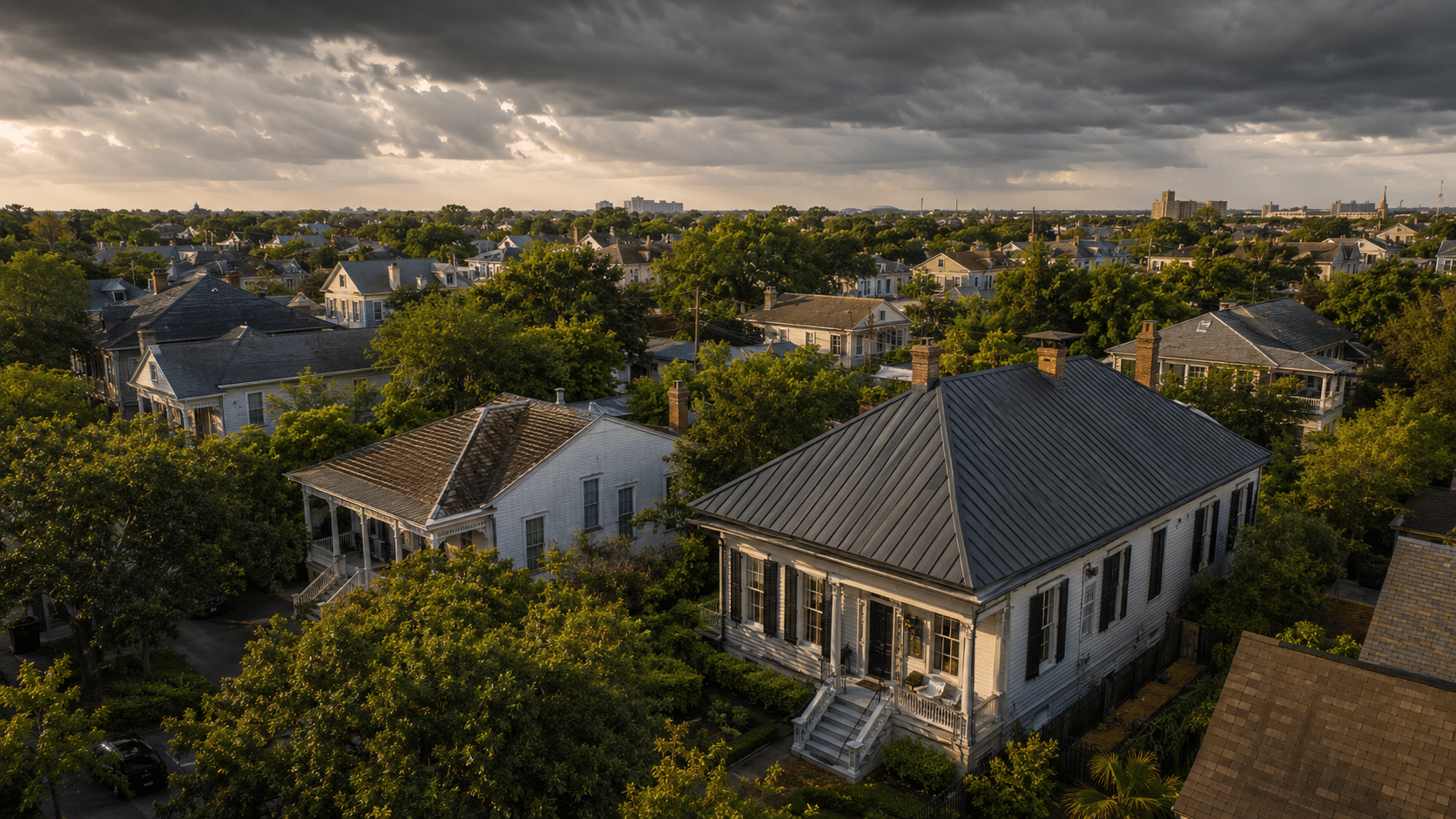
If you’re a homeowner in New Orleans weighing your next roofing decision, metal roofing is worth a serious look. The Crescent City’s climate is relentless, with intense heat, high humidity, heavy seasonal rainfall, and a hurricane season that can bring sustained winds well over 100 mph.
Metal roofing has grown in popularity across Louisiana because it stands up to these demands better than most materials. But it’s not a perfect fit for every home or every budget. This guide breaks down the honest pros and cons so New Orleans homeowners can make an informed choice before committing to an installation.
Why New Orleans Roofs Face Unique Challenges
New Orleans sits in one of the most demanding environments in the country for residential roofing. The city typically receives more than 60 inches of rainfall annually, nearly double the national average, and endures scorching summer temperatures that push heat indices above 110°F. Combined with the region’s position squarely in the Gulf Coast hurricane belt, roofs here take a beating that materials in milder climates simply don’t face.
The wrong roofing material in this environment doesn’t just underperform; it fails early, leaks under pressure, and can leave a family exposed to serious structural damage when a major storm hits. That’s why so many New Orleans homeowners are taking a serious look at metal roofing as a long-term investment in safety and value.
What New Orleans Homeowners Commonly Report
- Shingle roofs showing accelerated granule loss and cracking from UV exposure and heat
- Frequent leaks and water intrusion after heavy tropical downpours
- Storm damage requiring emergency roofing repairs following named storms
- Significant energy costs from roofs that absorb rather than reflect solar heat
- Insurance premium increases tied to roof age, material type, and storm history
How the Gulf Coast Climate Accelerates Roof Wear
- High humidity promotes mold, mildew, and algae growth on roofing surfaces
- UV intensity in Louisiana is among the highest in the continental U.S.
- Thermal cycling from cool winters to extreme summers stresses roofing materials over time
- Saltwater air in coastal areas accelerates corrosion on certain metal types if not properly coated
- Hurricane-force wind uplift creates pressure differentials that expose weaknesses in older roofing systems
The Real Pros of Metal Roofing in a Louisiana Climate
Metal roofing isn’t just a trend; there are concrete, measurable reasons it performs well in South Louisiana. Understanding these advantages clearly helps you see why the higher upfront cost may be worth every dollar over the life of the roof.
Exceptional Durability and Lifespan
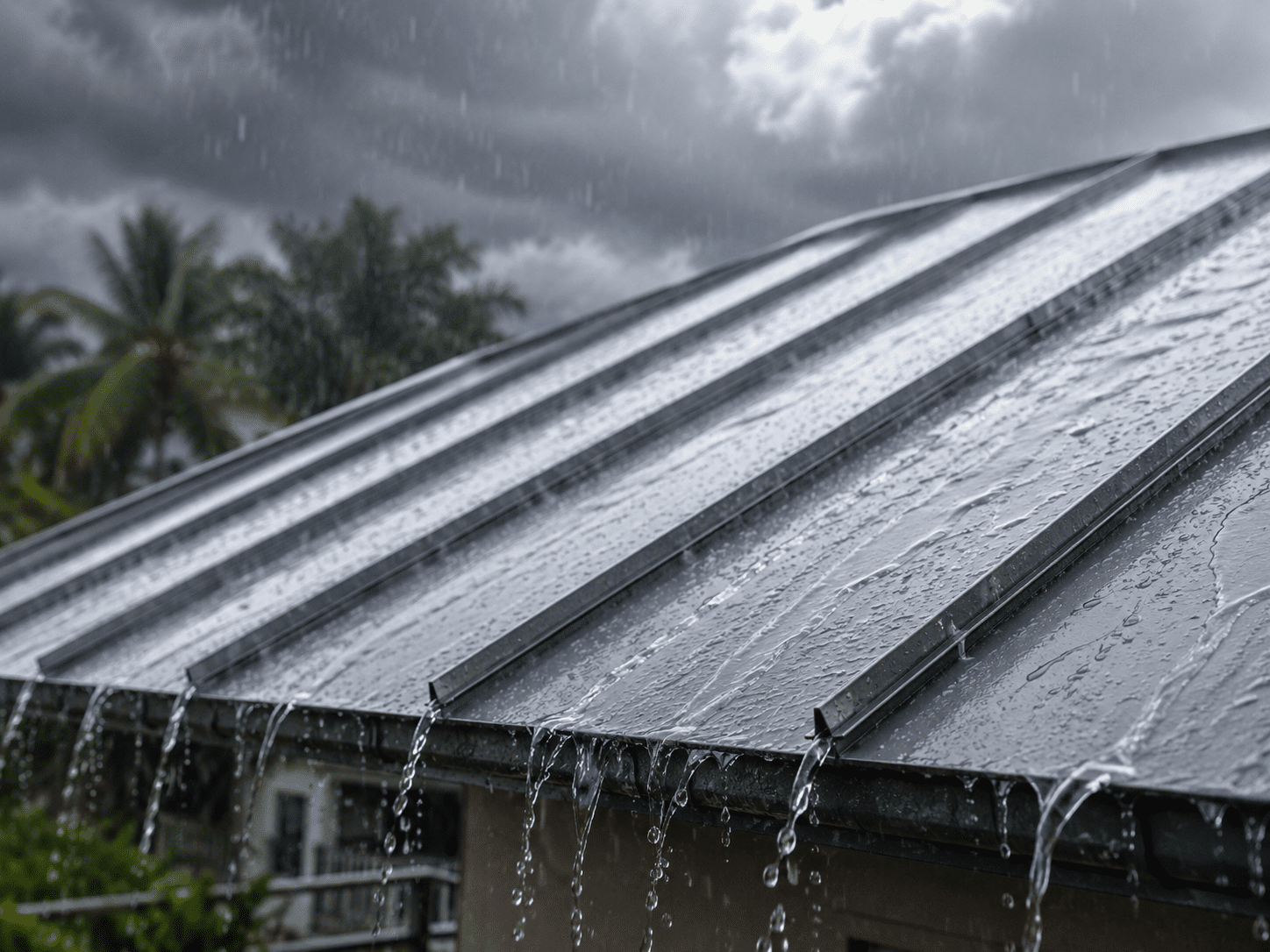 A properly installed metal roof can last 40 to 70 years, compared to 15 to 25 years for standard asphalt shingles.
In New Orleans, where roofs face relentless UV exposure and moisture year-round, that lifespan advantage is amplified. You’re not just buying a roof, you’re potentially buying the last roof your home will ever need.
Metal roofing also holds up remarkably well against wind. Many metal roofing systems are rated to withstand winds of 120 to 160 mph, which is directly relevant for a metro area that has experienced multiple major hurricane landfalls.
After a storm event, homeowners with metal roofs consistently report far less damage than neighbors with asphalt shingles or wood shake roofing.
Key Durability Benefits at a Glance
- Lifespan of 40–70 years with proper installation and basic maintenance
- Wind resistance ratings typically range from 120 to 160 mph
- Resistant to mold, mildew, and rot is critical in Louisiana’s humid subtropical climate
- Does not absorb moisture the way organic roofing materials can
- Holds up against hail impact better than asphalt shingles in most cases
Energy Efficiency and Cost Savings Over Time
New Orleans summers are brutal on both residents and their utility bills. Metal roofing, especially when coated with reflective finishes, reflects a significant portion of solar energy rather than absorbing it. This keeps attics and living spaces cooler, reducing the strain on air conditioning systems. Combined with proper roof insulation, a metal roof can meaningfully lower summer cooling costs month after month.
Some qualifying metal roofing products also make homeowners eligible for federal energy efficiency tax credits, which can partially offset the initial installation cost.
Long-Term Financial Advantages
- Lower lifetime cost when compared against two or more shingle replacements over the same period
- Reduced roof maintenance frequency compared to asphalt or wood materials
- Potential homeowner’s insurance benefits in storm-prone Louisiana parishes
- Increased home resale value due to roof longevity and storm resistance
- Energy savings from reflective coatings reduce monthly utility bills
The Real Cons of Metal Roofing for New Orleans Homes
No roofing material is perfect, and being upfront about metal roofing’s drawbacks helps homeowners make a clear-eyed decision rather than an impulsive one based on hype alone.
Higher Upfront Installation Cost
The most commonly cited drawback of metal roofing is the initial price. A metal roof installation typically costs significantly more than a standard asphalt shingle replacement, often two to three times more, depending on the metal type chosen (steel, aluminum, copper, or zinc), roof pitch, and the size of the home.
For homeowners on a tight budget or planning to sell within a few years, this premium may be difficult to justify. However, when the cost is amortized over the roof’s full lifespan and weighed against the avoided expense of one or two future roof replacements, the long-term math frequently favors metal.
Factors That Affect Metal Roofing Cost in New Orleans
- Metal type: steel and aluminum are the most affordable; copper and zinc are premium
- Roof pitch and complexity: Steeper or more intricate rooflines increase labor costs
- Panel style: Standing seam systems cost more than exposed-fastener corrugated panels
- Removal and disposal of the existing roof material
- Any needed deck repairs discovered during the roof inspection before installation
Noise, Thermal Movement, and Installation Risks
Metal roofs can be noisier than other roofing types during Louisiana’s frequent heavy downpours. With proper attic insulation and quality underlayment, this noise is significantly reduced, but it’s worth discussing with your contractor, particularly in older historic New Orleans homes with minimal attic depth.
Metal also expands and contracts with temperature changes. In New Orleans, where temperatures can range from the 30s in winter to the upper 90s in summer, this thermal movement is significant. If the roof isn’t installed correctly with appropriate fasteners and allowances for movement, it can result in fastener loosening, panel warping, or gaps in sealing over time.
What to Watch For Installation and Performance Risks
- Rain noise during heavy downpours without proper underlayment installed beneath panels
- Thermal expansion and contraction stress fasteners if installation tolerances aren’t respected
- Saltwater air in coastal New Orleans neighborhoods can corrode uncoated or low-grade metal panels
- Denting from large hail is possible, though most modern metal panels offer reasonable impact resistance
- Improper roof flashing repair at transitions and penetrations can undermine the entire system’s water resistance
How We Handle Metal Roof Installation in New Orleans
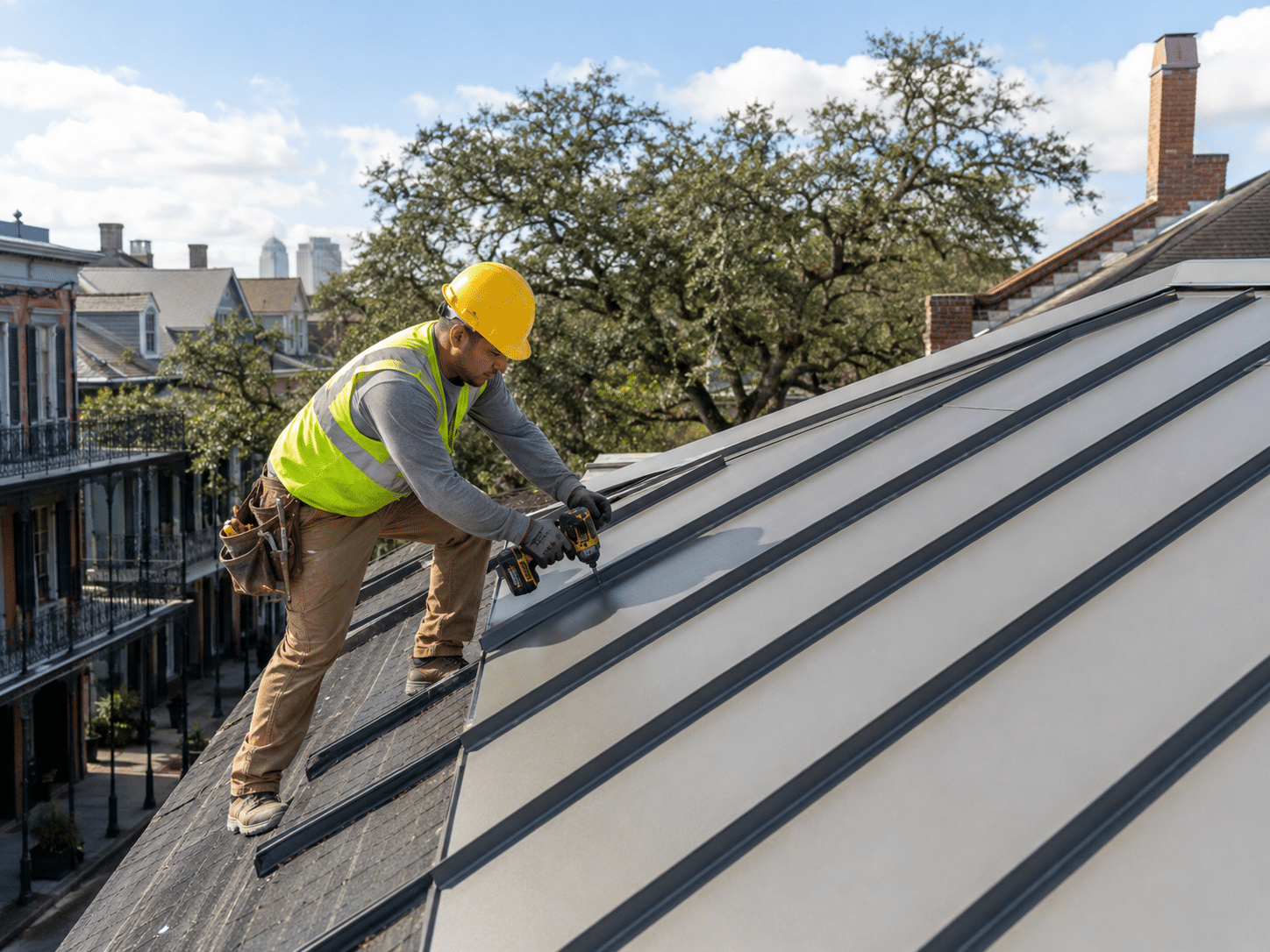 Selecting the right material is only half the equation; installation quality ultimately determines how well a metal roof performs over decades.
A poorly installed metal roof will lose its advantages fast, especially under the stress of South Louisiana’s climate.
TurnKey Roofing Contractor brings licensed, experienced crews to every roof installation in New Orleans and the surrounding parishes.
That means proper sealing at all penetrations and transitions, correct fastener placement to allow for thermal movement, and careful attention to the underlayment systems that protect against moisture infiltration. Before any installation begins, the team conducts a thorough structural assessment to ensure the existing deck is sound and ready to support the new system.
What a Professional Metal Roof Installation Includes
- Full pre-installation structural assessment and deck inspection
- Selection of the appropriate metal panel type and coating for New Orleans coastal conditions
- High-quality underlayment installation for moisture control and noise reduction
- Fastener systems engineered for wind uplift resistance and thermal movement allowance
- Complete roof weatherproofing at all seams, edges, and transitions
- Post-installation inspection and full site cleanup before sign-off
Why Installation Quality Matters More Than Material Alone
- Improper fastening can cause panels to lift or leak during high-wind events
- Insufficient underlayment eliminates the noise and moisture benefits that metal roofing provides
- Skipped or rushed flashing work is the most common source of leaks in metal roofs
- Thermal expansion gaps must be calculated correctly for New Orleans’ temperature range
- Only licensed contractors carry the workmanship warranties that protect your investment long-term
Is Metal Roofing the Right Choice for Your New Orleans Home?
For many New Orleans homeowners, metal roofing represents the smartest long-term investment they can make in their property. If you plan to stay in your home for 15 or more years, want maximum protection against Gulf Coast storms, and value reduced energy costs year over year, the math typically works in favor of metal. Properties in high-risk flood and storm zones may also see insurance advantages tied to the roof’s wind resistance rating.
That said, metal isn’t the universal answer for every situation. If your budget is limited right now, if your home has an unusual or complex roofline that makes metal installation especially labor-intensive, or if you’re preparing the home for a near-term sale, a quality shingle roof or another roofing type may be the more practical choice. The right decision is an informed one made with guidance from a local contractor who genuinely understands New Orleans conditions.
Why New Orleans Homeowners Choose Metal Roofing
- Planning to stay in their home long-term and want to eliminate future replacement costs
- Concerned about hurricane and wind damage based on prior storm experiences
- Interested in reducing summer cooling costs with a heat-reflective roof system
- Seeking a low-maintenance option that holds up without constant attention
- Want a roof that performs equally well under tropical downpours and intense summer UV
When Another Roofing Option May Make More Sense
- Budget constraints make the upfront cost of metal difficult to absorb right now
- Short-term ownership timeline where the long-term ROI of metal doesn’t apply
- Historic or architecturally distinctive homes where metal aesthetics don’t fit the character
- Roof complexity makes installation significantly more expensive than standard residential jobs
- Roof restoration or a quality roof coating may extend an existing roof’s life at a lower cost
If you’re weighing metal roofing for your New Orleans home and want an honest, no-pressure assessment of whether it’s the right fit for your property and budget, TurnKey Roofing Contractor is here to help. The team offers free estimates and brings firsthand knowledge of what holds up and what doesn’t in South Louisiana’s demanding climate. Reach out today to get started.
Frequently Asked Questions About Metal Roofing in New Orleans
How long does a metal roof last in New Orleans?
A properly installed metal roof in New Orleans typically lasts 40 to 70 years, depending on the metal type and installation quality. Steel and aluminum are the most common residential choices and generally perform well for 40 to 50 years in Gulf Coast conditions with basic maintenance. Copper and zinc can last even longer but come at a significantly higher price point.
Can a metal roof withstand a New Orleans hurricane?
Most metal roofing systems carry wind resistance ratings of 120 to 160 mph, which aligns with the wind speeds associated with major hurricane events. However, actual wind resistance depends heavily on installation quality, including fastener spacing, underlayment, and flashing details. A metal roof installed by an experienced contractor in compliance with Louisiana building codes will significantly outperform one that was rushed or cut on materials.
Is a metal roof noisy during heavy rain in New Orleans?
Metal roofs can produce more sound during heavy rain than asphalt shingles, but proper insulation and a quality underlayment system dramatically reduce this effect. Most homeowners with correctly installed metal roofs report that the sound difference is minimal. Given how frequently New Orleans experiences intense downpours, discussing underlayment and insulation options with your contractor before installation is a smart step.
How much more does metal roofing cost than shingles in New Orleans?
Metal roofing typically costs two to three times more upfront than asphalt shingles on a per-square-foot installed basis. The actual price varies based on metal type, roof complexity, and panel style. However, when you factor in the longer lifespan, lower maintenance frequency, potential energy savings, and avoided future replacements, the total cost of ownership over 40 years is often comparable to or better than cycling through multiple shingle roofs over the same period.