25 Hour Roof Replacement Guarantee - Get Your FREE Estimates!
Residential License # 890459
Commercial License # 3667
Residential License # 890459
Commercial License # 3667

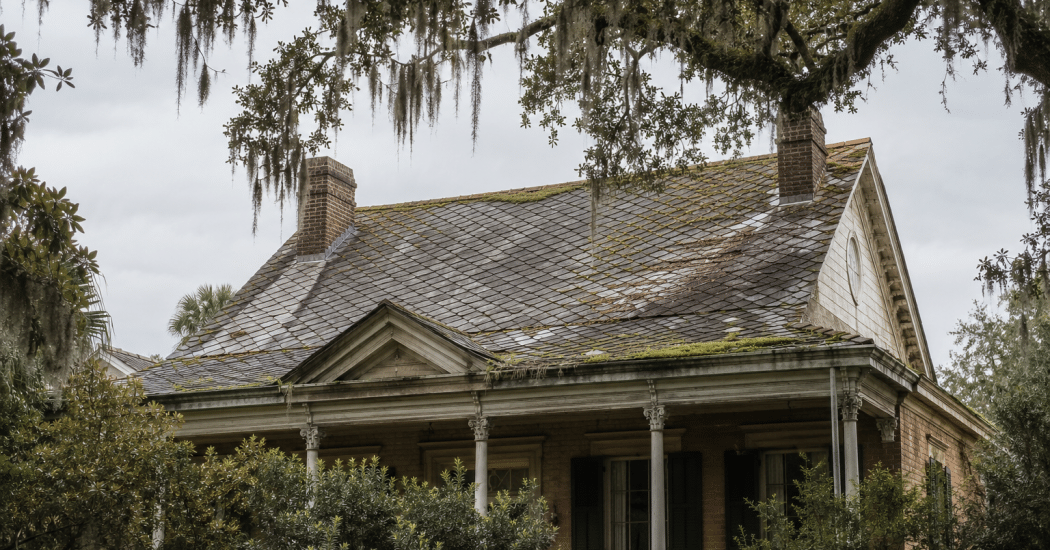
If you own an older home in New Orleans, you already know it comes with a certain charm, the high ceilings, the Creole architecture, the century-old character that newer builds simply can’t replicate. But that charm comes at a cost, and your roof often bears the brunt of it.
Roof problems in historic New Orleans homes are far more common than most homeowners expect, driven by a combination of age, climate, building materials, and the city’s unique environmental conditions. Understanding why these issues occur is the first step toward protecting your investment.
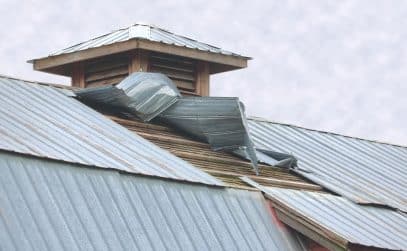
New Orleans has one of the most demanding climates in the country for residential roofing. High humidity, intense summer heat, heavy rainfall, and the ever-present threat of tropical storms create a relentless cycle of stress on any roof. For older homes, that stress is compounded by decades of wear and structural changes that weren’t designed to handle modern storm intensity.
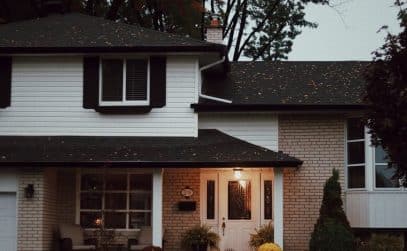
Historic homes in neighborhoods like the Garden District, Uptown, Mid-City, and the Bywater were built anywhere from the mid-1800s to the early 1900s. Many were constructed with materials that are no longer standard and techniques that have long since been replaced by modern building codes.
Many historic New Orleans homes were originally topped with slate, wood shake, or clay tile materials that were durable for their time but are now either past their service life or difficult to repair properly. When partial repairs are made over the decades, different materials get layered on top of old ones, creating inconsistencies in weight, water flow, and thermal expansion.
The wood structures beneath the roofing surface are equally vulnerable. Original rafters and decking boards, even if they were old-growth cypress (which is naturally rot-resistant), eventually reach their limits, especially when subjected to repeated moisture exposure from New Orleans’ average annual rainfall of over 60 inches. Once the underlying decking is compromised, even a new roof surface won’t perform correctly.
Even a well-maintained historic roof faces a tougher fight in New Orleans than it would in most other parts of the country. The city sits below sea level in many areas, surrounded by water, the Mississippi River, Lake Pontchartrain, and a network of canals. That geography keeps humidity levels consistently high, which accelerates the breakdown of roofing materials.
Thermal cycling is another major factor. Summer temperatures regularly exceed 90°F, and roofing materials expand and contract dramatically between seasons. Over time, this causes shingles to curl, flashing to pull away from joints, and sealants to crack and fail. Add in the UV intensity of the Louisiana sun, and older roofing materials degrade faster than their rated lifespan would suggest.
Scheduling a professional roof inspection before and after hurricane season is one of the most practical steps a historic homeowner can take.
Addressing roof problems on a historic home requires a contractor who understands both modern roofing standards and the nuances of older construction. A cookie-cutter approach won’t work; the structural quirks, material compatibility, and preservation considerations of a 100-year-old home demand a more thoughtful plan.
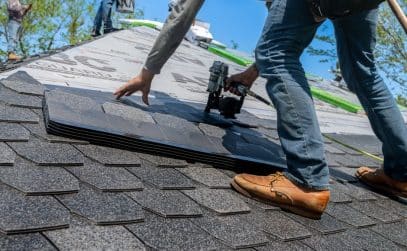
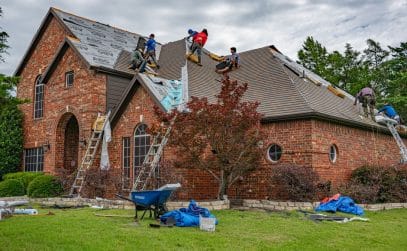
The most effective starting point is a thorough roof leak detection assessment that identifies not just where water is entering, but why, whether it’s failed flashing, deteriorated decking, or poor ventilation. From there, solutions range from targeted roof repairs and roof flashing repair to full roof replacement with modern, weather-resistant materials rated for Gulf Coast conditions.
In many cases, roof weatherproofing and improved roof ventilation can dramatically extend the life of an aging roof system without a full tear-off.
 Full decking inspection and replacement of any compromised boards
Owning a historic property in New Orleans is a long-term commitment, and proactive roof care is one of the most important investments you can make. Catching problems early before a minor leak becomes structural water damage saves significant money and protects the integrity of a home that, in many cases, can’t simply be rebuilt to its original character.
Regular roof maintenance visits between major storm seasons help identify issues before they escalate. Applying a roof coating to flat or low-slope sections common on Creole cottage and shotgun-style homes can add years of protection with relatively low cost.
And for homeowners dealing with insulation that was never updated, upgrading roof insulation improves energy efficiency while reducing the moisture-related stress on the roof structure.
If your historic New Orleans home has been showing signs of roof trouble or if it’s simply been a while since your last inspection, TurnKey Roofing Contractor is equipped to help. From targeted repairs to full replacements, the team brings local expertise and modern solutions to properties that deserve nothing less. Contact us today for a free estimate.
If your roof has multiple failing areas, compromised decking, or has been patched repeatedly without lasting results, replacement is often the more cost-effective long-term choice. A professional inspection will help determine whether targeted repairs can extend the roof’s life or whether a full replacement is the better investment.
Yes. Modern materials like architectural shingles, metal roofing, and single-ply systems are often better suited to New Orleans’ climate than the original materials they replace. They’re designed to handle high winds, heavy rain, and UV exposure more effectively, and many can be installed in a way that preserves the home’s historic appearance.
Metal roofing and impact-resistant shingles rated for high-wind zones tend to perform best in Gulf Coast conditions. Proper installation — including correct flashing, deck fastening, and underlayment — matters just as much as material choice. TurnKey Roofing Contractor uses materials and methods specifically suited for Louisiana’s storm environment.
At minimum, twice a year — once before hurricane season begins (typically June) and once after it ends (November). Any time a significant storm passes through, an additional inspection is warranted, even if no visible damage is apparent.

 18 June, 2026