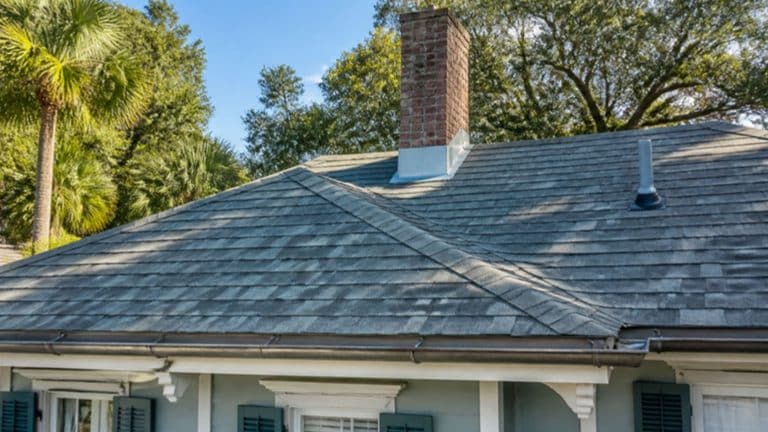
Yes, a roof inspection after a hurricane is worth it, even when nothing looks wrong from the ground. Wind can break the seals on shingles and loosen flashing without tearing anything off, and that damage often shows up as a leak during the next storm. A storm damage roof inspection finds it while it’s still a small repair.
Start with a safe check from the yard and the attic, then have a roofer look at the parts you can’t see.
We checked the safety guidance and figures in this guide against their sources on October 29, 2026.
The Atlantic hurricane season runs from June 1 to November 30, according to Ready.gov. A storm that only brushes New Orleans can still lift shingles, bend metal and drop branches onto a roof.
At TurnKey Roofing Contractor, an inspection ends with a detailed report of what we found, with photographs and repair recommendations.
If your roof rode out a storm and you want to know where it stands, you can schedule a roof inspection and get a free estimate on any repairs it turns up.
Key Takeaways
A post-hurricane roof inspection protects you from slow leaks that start weeks after the storm has passed. These points cover when to get one, what you can safely check yourself, what a roofer looks at that you can’t, and roughly what an inspection costs according to two national cost guides.
- Get a roof inspection after any hurricane, tropical storm or hailstorm, even if the roof looks fine from the ground.
- Wind can break shingle seals and loosen flashing without removing anything, which lets wind-driven rain in during the next storm.
- Check from the yard and the attic only. The National Weather Service advises walking carefully around the outside of your home to look for structural damage.
- Stay off the roof. Wet, damaged roofing is slippery and may not hold your weight.
- Fixr puts the average roof inspection at $250, and HomeGuide puts it at $100 to $400.
- Small storm damage fixed early costs far less than a leak that reaches the decking.
Why a Roof Can Look Fine and Still Be Damaged
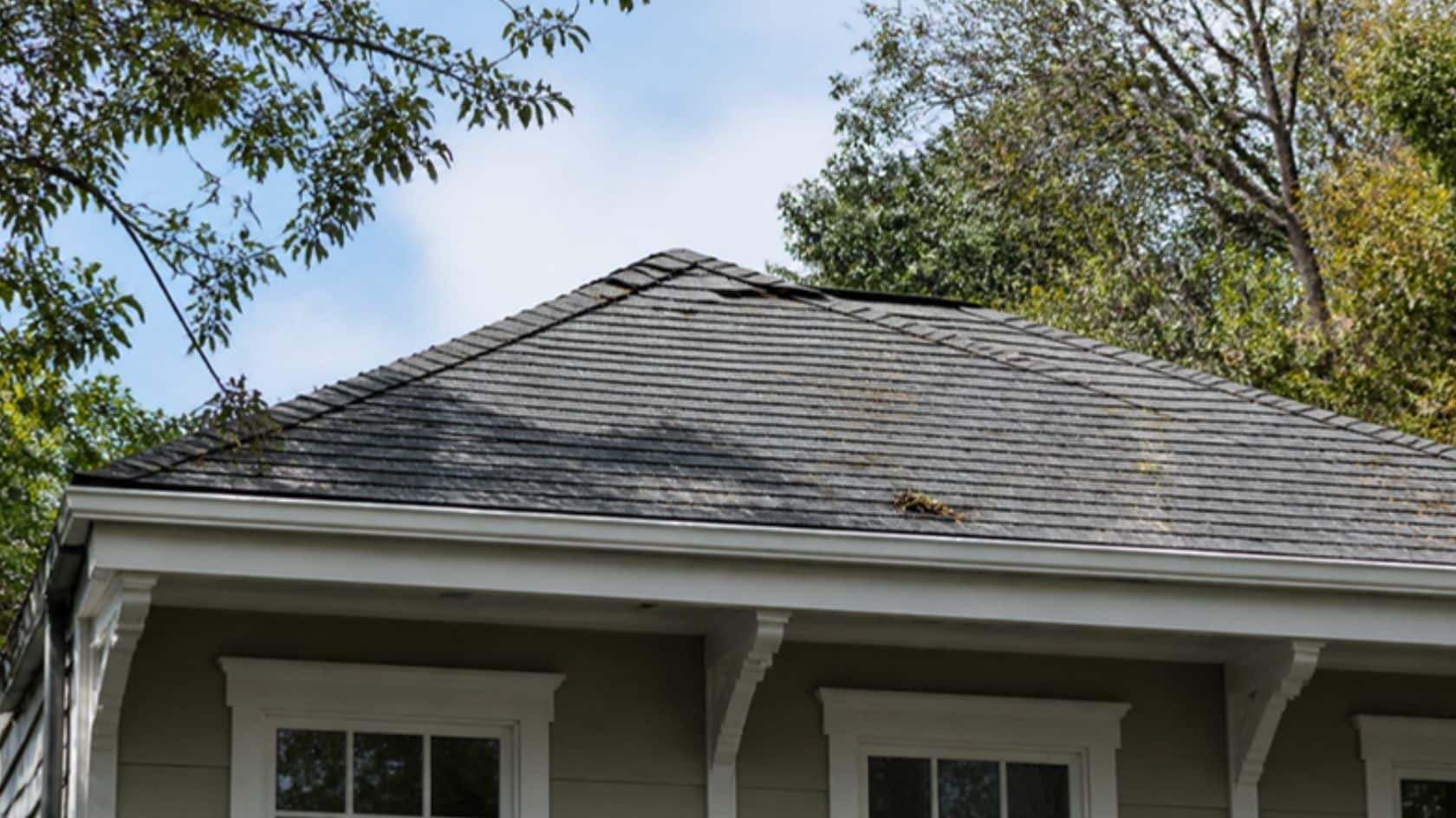
Storm damage on a roof is often invisible from the street. Strong gusts lift shingle edges and break the adhesive seal that holds them flat, and a shingle can stay in place with its seal broken. Loose flashing and cracked vent boots look normal from below but let water in during the next heavy rain.
Wind-lifted shingles are one of the most common problems a roof inspection turns up on New Orleans homes. Once the seal breaks, wind-driven rain can get under the shingle during the next storm, even though the roof looked intact the day after the last one.
Flashing is the other weak point. Chimneys, skylights, vent pipes and wall joints are where most leaks start, so a careful inspection checks the flashing and seals around each one.
Water damage also takes time to show. A small opening can let water soak insulation and decking for weeks before a stain reaches the ceiling, and by then the repair is bigger. Our guide to the most common causes of roof leaks explains where water usually gets in.
What You Can Safely Check Yourself
You can do a useful first check without climbing anything. Walk around the house and look up at the roof, then check the gutters, downspouts and attic. The National Weather Service advises walking carefully around the outside of your home after a hurricane to check for loose power lines, gas leaks and structural damage.
Look for these signs from the ground:
- Missing, curled or cracked shingles, or pieces lying in the yard.
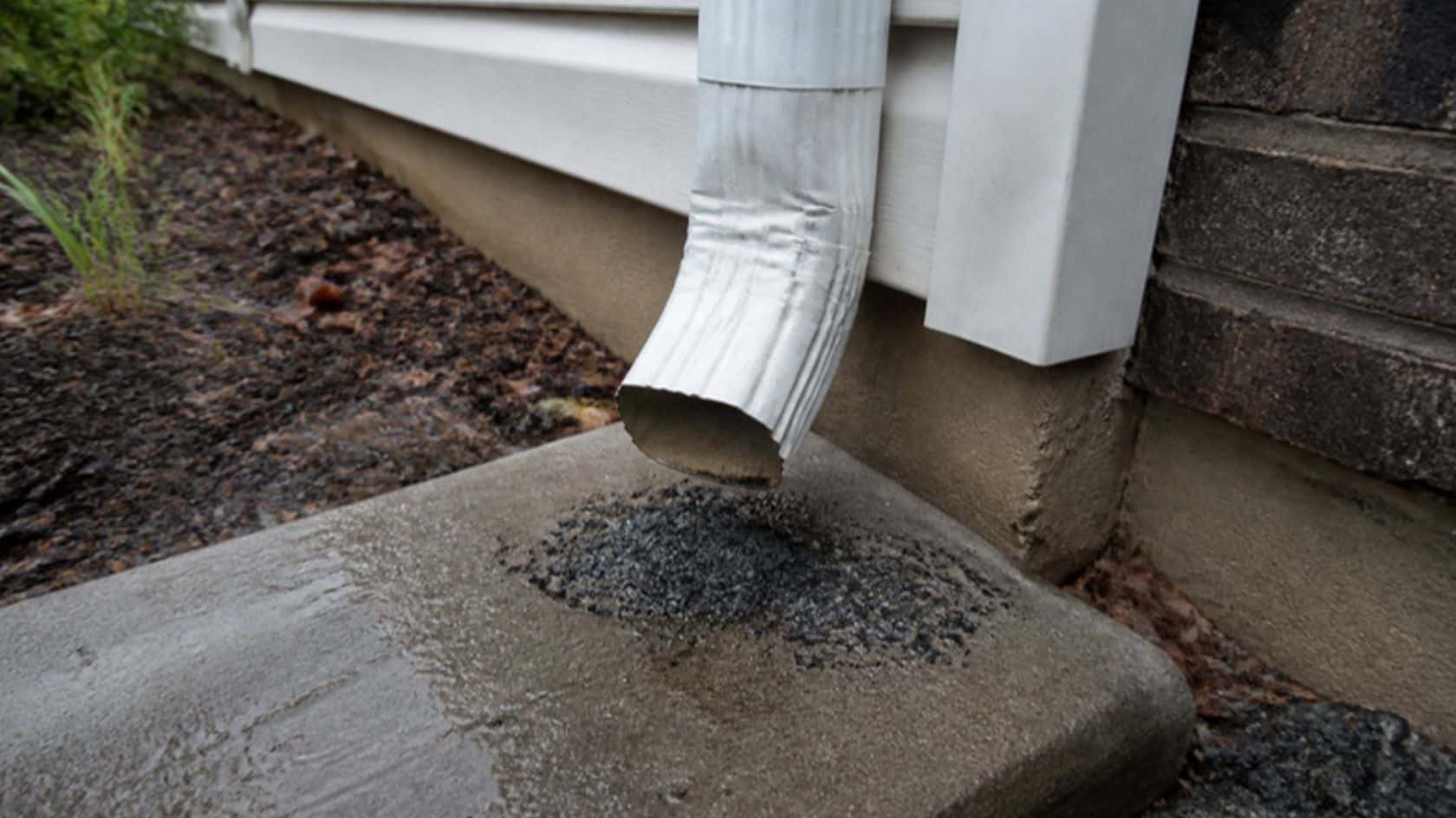
- Shingle granules collecting in gutters and at the bottom of downspouts.
- Dents in gutters, downspouts, roof vents and air conditioner fins, which can point to hail.
- Rust, gaps or loose metal around chimneys, vents and walls.
- A roofline that dips or sags between rafters.
- Branches or debris resting on the roof.
Then check inside. In the attic, look for water stains, damp insulation, a musty smell, mold or daylight through the roof boards. Upstairs, check ceilings and upper walls for new stains or bubbling paint.
Keep it safe. The National Weather Service says to stay out of any building if you smell gas, if floodwaters remain around it or if the authorities have not declared it safe. Never go up on a wet or damaged roof.
What a Roofer Checks During a Storm Damage Inspection
A roofer looks at the roof as a system, because damage in one part often shows up in another. A storm damage roof inspection covers the roof surface, the flashing and penetrations, the gutters and drainage, and the attic and ventilation, then ends with findings you can act on and a price for any repairs.
| Area | What the roofer looks for after a storm |
|---|---|
| Roof surface | Broken seals, lifted edges, cracks, missing pieces, granule loss, rust and loose fasteners |
| Flashing and penetrations | Gaps, rust or cracked sealant at chimneys, skylights, vent pipes and wall joints |
| Gutters and drainage | Clogged or sagging gutters, loose downspouts and rot in the fascia boards |
| Attic and ventilation | Water stains, damp insulation, mold, daylight through the boards and blocked vents |
Our roof inspection in New Orleans follows those same four areas. Hard-to-reach sections may be checked with a drone, and we repair nothing until you approve it.
Drones and thermal imaging can also help find wet spots without anyone walking a damaged roof. Our post on drone thermal roof inspections in New Orleans explains how that works.
Hail and Wind Damage Look Different
Wind and hail damage a roof in different ways, so an inspection looks for both. Wind lifts and tears shingles and loosens edges, while hail bruises shingles, knocks off granules, cracks tile and dents metal. Hail damage is especially easy to miss from the ground because a bruised shingle can look normal.
Hail usually leaves marks on softer metal first, so dented gutters, vents and air conditioner fins are useful clues. Dark spots on shingles where hail knocked granules off are another.
A shingle can look fine and still have lost the granules that protect it from sun and water, and that damage often turns into a leak long after the storm. Our page on hail damage roof repair in New Orleans covers how each roofing material reacts to hail.
When to Schedule the Inspection
Schedule the inspection as soon as it is safe after the storm, and sooner if water is already coming in. Active leaks, exposed decking or missing sections of roof need emergency attention first, then a full inspection once someone covers the opening and the weather clears.
If water is dripping through a ceiling or part of the roof is open to the sky, call for emergency roof repair in New Orleans. Getting the opening covered quickly keeps the damage in the roof instead of the rooms below.
While you wait, our guide on how to secure your home after sudden roof damage covers what you can do safely from inside.
A yearly inspection is a good habit too, and the best time for one is before hurricane season, so a roofer can fix loose materials before the wind arrives. Our post on how hurricane season affects roofs in New Orleans covers that pre-season check.
What a Roof Inspection Costs
A roof inspection usually costs a few hundred dollars or less. Fixr’s 2026 roof repair guide puts the average roof inspection at $250, and HomeGuide’s roof repair guide puts it at $100 to $400. Neither publishes New Orleans figures, so treat both as national benchmarks.
Compare that with what a missed problem can cost. HomeGuide puts minor leak repairs at $150 to $1,000 before water damage sets in, and $1,000 to $6,000 or more once water has reached the underlayment, decking or structure.
At TurnKey, you get a free estimate on any repairs your inspection turns up, so you can decide what to fix and when.
Questions to Ask the Roofer Who Inspects Your Roof
A few questions up front tell you whether the inspection will be useful. Ask what the roofer will check, whether you’ll get photos and a written report, and whether the inspection is tied to buying a repair. A roofer who answers plainly and puts findings in writing is easier to hold to them later.
- Will you check the attic as well as the roof surface?
- Will I get photos of every problem you find?
- Which findings need fixing now, and which can wait?
- Can I see your Louisiana license number?
The last question matters after a storm. The Louisiana State Licensing Board for Contractors says unlicensed individuals often appear after disasters, and it recommends that you verify a contractor’s license before you sign a contract or make a payment.
Keep the report and photos with your home records. They show the roof’s condition after the storm, help you compare repair bids line by line and give the next roofer a starting point.
What Happens After the Inspection
After the inspection you should know what condition the roof is in, what needs fixing now and what can wait. A good report lists each problem with photos and a recommended repair, so you can plan the work and keep a record of the roof’s condition after the storm.
Many storm findings are repairs: resealing or replacing lifted shingles, fixing flashing, replacing a cracked vent boot or clearing damaged gutters. If damage is widespread or the roof is near the end of its life, a replacement may make more sense.
Our guide to the signs you need a roof replacement explains how to tell the difference.
Call (504) 608-3921 to book a roof inspection after the next storm, or before the season starts.
Frequently Asked Questions
Do I need a roof inspection after a hurricane if nothing looks damaged?
It’s a good idea. Wind can break shingle seals and loosen flashing without removing anything, and that damage often shows up as a leak during a later storm.
Should I go on my roof to check for storm damage?
No. Check from the yard and the attic. A wet or damaged roof is slippery and may not hold your weight, so leave the roof itself to a roofer.
How much does a roof inspection cost?
Fixr puts the average roof inspection at $250, and HomeGuide puts it at $100 to $400. Both are national figures.
What are signs of storm damage I can see from the ground?
Missing or curled shingles, granules in gutters and downspouts, dented gutters or vents, loose metal around chimneys and a sagging roofline are all signs worth reporting to a roofer.
How soon after a storm should I get an inspection?
As soon as it’s safe. If water is coming in, get the opening covered first, then schedule a full inspection once the weather clears.
Written by: TurnKey Roofing Contractor
Last updated: November 25, 2026