25 Hour Roof Replacement Guarantee - Get Your FREE Estimates!
Residential License # 890459
Commercial License # 3667
Residential License # 890459
Commercial License # 3667

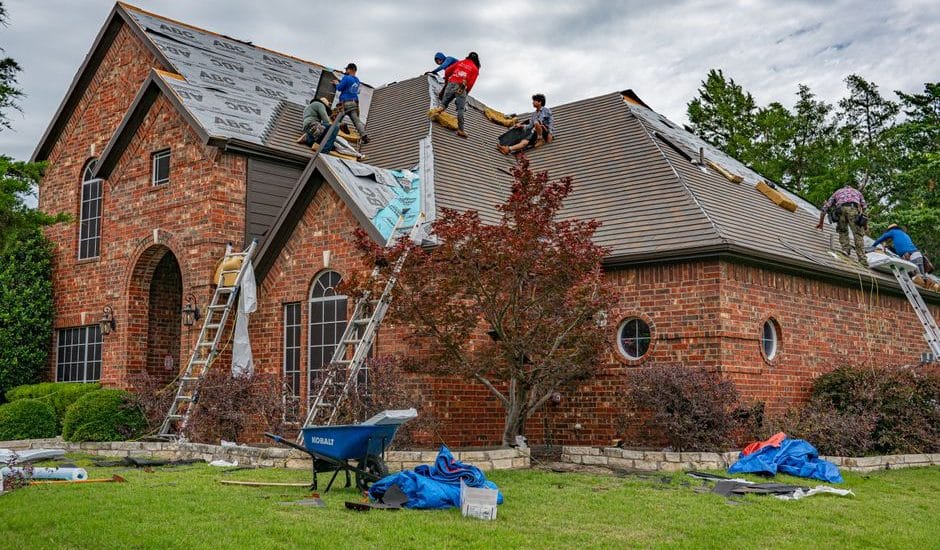
Homeowners insurance in Louisiana typically covers roof damage caused by a sudden, identifiable event such as wind, hail, or a fallen tree, but it does not cover damage from gradual wear, age, or neglect. What you actually collect depends on three things: the cause of the damage, your roof’s age, and whether your policy pays Replacement Cost Value (RCV) or Actual Cash Value (ACV).
Understanding these mechanics before you call your insurer or a contractor puts you in a far stronger position to get a fair payout.
If you have ever pulled out your insurance policy after a storm and felt like it was written in a foreign language, you are not alone. Every year, Louisiana homeowners file roof damage claims only to discover that “covered” and “paid in full” are not the same thing.
A policy can technically cover your roof and still leave you thousands of dollars short.
At TurnKey Roofing Contractor, we work with New Orleans area homeowners through this process regularly, documenting damage, explaining what an adjuster is looking at, and getting roofs replaced fast once a claim is approved. If you are staring at a damaged roof right now and need eyes on it before you call your insurer, call (504) 608-3921 and we will walk the roof with you.
Your policy type matters as much as the damage itself. A Replacement Cost Value (RCV) policy pays what it actually costs to replace your roof with new materials, no deduction for age.
An Actual Cash Value (ACV) policy pays the replacement cost minus depreciation, so a 15-year-old roof might be worth only a fraction of a new one, even though the damage is identical to what an RCV policyholder would have covered in full. Many Louisiana insurers now settle roofs on an ACV basis even when the rest of the dwelling is RCV, so confirm which basis applies to your roof specifically.

A covered peril is a specific, named cause of loss that your policy agrees to pay for, most commonly wind, hail, fire, and falling objects. Louisiana policies generally treat hail and wind damage as covered perils, which is why storm season claims make up the bulk of roof insurance activity here.
Our hail damage repair team sees this constantly: bruised shingles, cracked tabs, and granule loss that are clearly storm-related but easy for an untrained eye, or an unmotivated adjuster, to miss or underreport.
Because cause of damage, roof age, and policy type interact, the same roof can be fully covered, partially covered, or denied outright depending on which box it falls into. Here is how those three variables typically line up on a standard Louisiana homeowners policy.
| Cause of Damage | Roof Under 10 Years | Roof 10-20 Years | Roof Over 20 Years |
|---|---|---|---|
| Storm, wind, or hail (RCV policy) | Covered, full replacement cost minus deductible | Covered, full replacement cost minus deductible | Often covered but insurer may require an ACV roof endorsement |
| Storm, wind, or hail (ACV policy) | Covered, minor depreciation deducted | Covered, moderate to heavy depreciation deducted | Covered, but depreciation may leave a large out-of-pocket gap |
| Gradual wear, age, or neglect | Not a covered peril | Not a covered peril | Not a covered peril, regardless of policy type |
Roof age is the single biggest factor insurers use to calculate depreciation on an ACV claim, and some carriers now cap coverage or force an ACV roof schedule once a roof passes 15 to 20 years old, even if the rest of the policy is RCV. This is exactly why we tell homeowners not to wait until damage happens to learn their roof’s condition.
If you are unsure how much life is left on yours, our guide on key indicators you need roof replacement walks through the warning signs adjusters and contractors both look for.
Most Louisiana homeowners policies carry a separate, higher deductible specifically for named storms, typically running 2 to 5 percent of your dwelling coverage limit rather than a flat dollar amount. On a home insured for 300,000 dollars, a 3 percent named-storm deductible works out to 9,000 dollars before insurance pays anything, a very different number than the flat 1,000 or 2,000 dollar deductible on a non-named-storm wind event.
We cover how this plays out across the season in how hurricane season affects roofs in New Orleans, including how the deductible gets triggered.
Every standard policy carries a wear-and-tear exclusion, which means damage caused by age, poor maintenance, or slow deterioration is never a covered loss, no matter how much water ends up in your attic. Adjusters are trained to look for the difference between a sudden storm-created opening and a leak that developed over months from cracked flashing or worn-out sealant.
If your leak actually stems from a maintenance issue rather than storm damage, our post on how to fix the most common causes of roof leaks explains what is happening and what it takes to fix it outside of a claim.

Insurance adjusters approve or deny claims based on the evidence in front of them, so documentation matters as much as the damage itself. Photos taken immediately after a storm, moisture readings, and a written inspection report all strengthen a claim, while a homeowner’s word alone rarely does.
Our drone thermal roof inspections give adjusters objective evidence of moisture intrusion that is difficult to dispute, often becoming the difference between an approved claim and a denied one. A public adjuster can also be worth involving on a large or disputed claim, since they work for you rather than the insurer.
The Louisiana Department of Insurance (LDI) regulates both public adjusters and carriers operating in the state and is a useful resource if a claim seems mishandled.
Insurers sometimes push for a partial repair when a full replacement is the more honest answer, especially on older roofs where matching shingles is no longer possible or where damage is spread across multiple slopes. Our residential roof repairs team evaluates the whole roof, not just the damaged section, before recommending which direction actually protects your investment and satisfies your policy’s requirements.
The most common denial reasons are pre-existing damage, wear-and-tear exclusions, missed filing deadlines, and insufficient documentation tying the damage to a specific covered event. Louisiana Citizens Property Insurance Corporation and private carriers alike will deny a claim that looks like ongoing neglect rather than sudden storm damage, so the burden is on the homeowner to show clear cause and timing.

Every day a damaged roof sits unrepaired is another day of risk, from a second storm hitting an already compromised structure to Additional Living Expenses (ALE) piling up if you are displaced from your home. Our 25-Hour Guarantee is built around that reality: once a claim is approved, we move fast, shortening both the time your family spends paying for temporary housing and the window your home is exposed if another system rolls through while a claim is open.
Our guide on how to secure your home after sudden roof damage covers what to do immediately while your claim is being processed.
If you are dealing with roof damage and are not sure what your policy covers, contact our team through the contact page or call (504) 608-3921 for a free estimate before you talk to your adjuster.
If the leak stems from cracked flashing, worn sealant, or deferred maintenance, most standard policies exclude it entirely.
Actual Cash Value (ACV) pays that same cost minus depreciation, so an older roof can settle for significantly less even with identical damage.
Some carriers will decline to renew a policy on a roof that old regardless of its condition.
Coverage still runs through your regular wind/hail deductible, and a separate named-storm deductible applies if the damage happens during an officially named storm.
On a home insured for 300,000 dollars, a 3 percent deductible equals 9,000 dollars out of pocket before insurance pays anything.
Clear photos, moisture readings, and a professional inspection report significantly reduce the odds of a denial.

 12 July, 2026